Brussels: The European Commission is betting that a single piece of legislation can reverse a decade of relative decline in European biotechnology. The proposed biotech act, published in December 2025, sets out to simplify a fragmented regulatory landscape, pull private capital back into laboratories, and keep the next generation of medicines and biomanufacturing on European soil.
The stakes are concrete. European firms file fewer biotech patents than their American rivals, raise less venture capital, and increasingly move promising candidates across the Atlantic to reach clinical trials and markets faster. The Commission frames the biotech act as an answer to that drift, and lawmakers now have to decide how far they are willing to go.
What the proposal actually changes
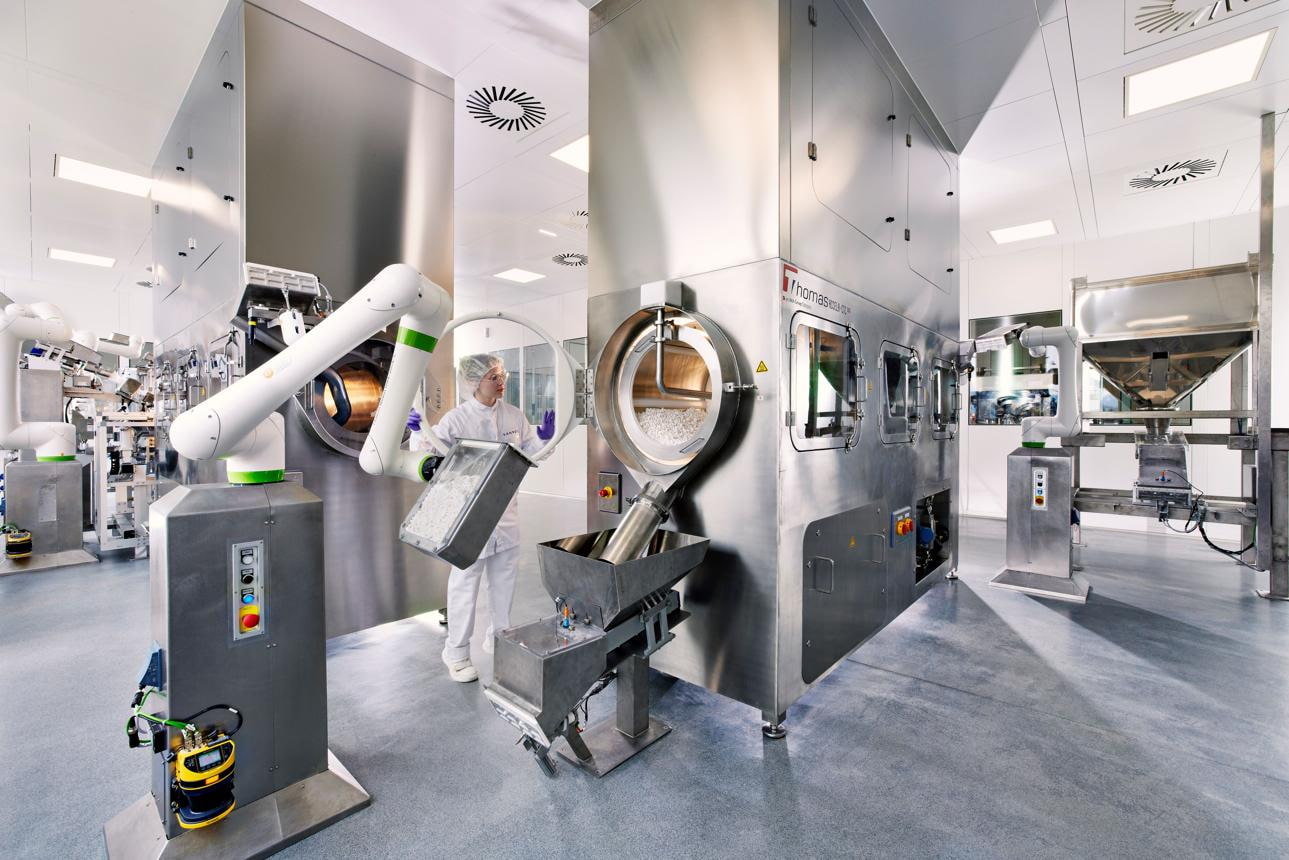
The draft law targets the plumbing of European biotech rather than headline funding. It promises single regulatory pathways for complex, innovative products, so that a company developing an advanced therapy no longer navigates a patchwork of overlapping national and EU approvals. It also builds in incentives for biomanufacturing inside the Union, alongside tools that make it easier for young firms to reach the finance they need before revenue arrives.
Crucially, the Commission has split its ambition into two phases. This first act concentrates on health biotechnology, the segment where Europe still holds scientific strength but keeps losing commercial ground. A second act, expected later in 2026, will turn to industrial biotechnology and biomanufacturing, from enzymes and bio-based materials to greener chemical production. Readers can follow the file through the Commission’s dedicated biotechnology portal.
Money follows the rules, slowly
Regulation alone will not rebuild an ecosystem, and the Commission knows it. Alongside the legal text, it has worked with the European Investment Bank to make roughly ten billion euros of investment available to the biotech and life sciences sector across 2026 and 2027. That figure sounds substantial, yet it competes against far deeper and faster capital pools in the United States and, increasingly, in China.
Analysts who track the sector argue that the real constraint is not the first cheque but the second and third. European scale-up funding thins out precisely when a promising therapy needs hundreds of millions to clear late-stage trials. If the biotech act simplifies approvals but leaves that growth-stage gap untouched, companies will keep listing and manufacturing elsewhere while keeping only their research roots in Europe.
The competitiveness test
The proposal lands inside a broader argument about whether Europe can still turn its science into industry. The Commission insists it can preserve high safety, ethics and sustainability standards while cutting the cost and delay of bringing products to market. Industry groups have broadly welcomed the direction, though several warn that the promised simplification must survive the legislative process rather than dissolve into new layers of guidance.
There is also a security dimension that lawmakers cannot ignore. Biotechnology is dual-use by nature, and the same manufacturing capacity that produces vaccines can carry strategic risk. The Commission has tried to balance openness with safeguards, but the negotiations ahead will test whether Europe can protect sensitive know-how without smothering the start-ups the law is meant to help.
Adoption is not expected before the end of 2026, and the Parliament and Council will shape the text considerably. The deeper question is whether a single act, however well designed, can undo structural disadvantages that took years to form. Europe retains world-class universities, hospitals and researchers. Whether it can finally keep the companies those strengths create may become one of the defining industrial stories of the decade.