Brussels: The Circular Economy Act is expected from the Commission later in 2026, and the debate over its content has already moved from principle to detail. The Commission’s own goal is to double the EU’s circular material use rate by 2030. The sources reviewed give no firm adoption date, so readers should treat any quarter named in the press with caution.
Why the Circular Economy Act targets secondary raw materials
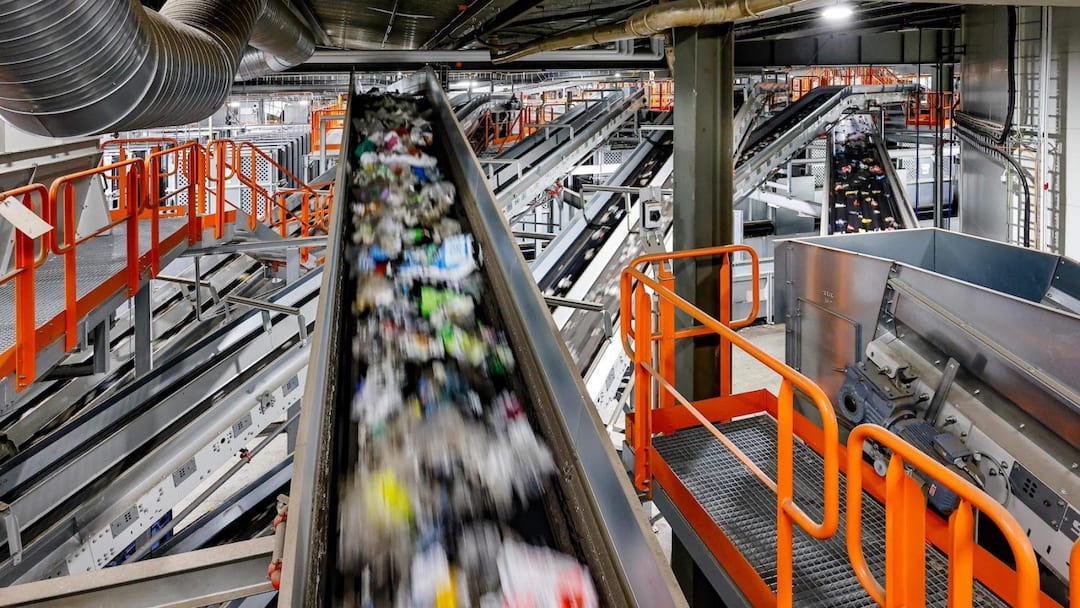
The Commission says the current system does not deliver enough high-quality recycled material for industrial demand. The Circular Economy Act therefore aims to build a single market for secondary raw materials, with aligned standards and fewer trade barriers for recyclates. Recycled plastics, paper and metals used in packaging are the obvious test cases.
The act also fits the wider industrial agenda. It sits within the Clean Industrial Deal and the Competitiveness Compass, which seek to reduce reliance on imported raw materials. Plastics, batteries, vehicles and textiles are the sectors named most often.
What the emerging Circular Economy Act could contain
At a final stakeholder workshop in June, the Commission presented emerging findings from its impact assessment studies. Reports from that session point to five building blocks: a wider scope for the electrical and electronic waste rules, mandatory material recovery targets, EU-wide recognition of end-of-waste status, digital registration for extended producer responsibility schemes, and recycled content thresholds that support markets for secondary materials.
These are reported directions, not a published text, and the final Circular Economy Act may look different. Nobody has published numerical thresholds.
An internal market legal basis changes the stakes
The Commission plans to rely on an internal market legal basis for the producer responsibility, end-of-waste and electronic waste provisions. That signals a push for EU-wide harmonisation over national discretion. Today a recycler can see the same scrap declared waste in one country and a product in the next, which blocks cross-border trade and raises costs.
A harmonised end-of-waste test would let a recycler certify material once and sell it anywhere in the Union. Governments that guard local waste rules may resist, and the choice of legal basis will shape how much flexibility they keep.
Where industry and Parliament stand
Positions are already forming. The Socialists and Democrats want mandatory eco-modulation of producer fees, transparency on how those schemes spend money, and repair incentives. BusinessEurope asks for harmonised producer responsibility systems, stronger support for secondary raw materials and stricter market surveillance of online sales.
The Repair Directive, which applies from 31 July 2026, already requires manufacturers to repair goods within a reasonable time and price. It shows the direction of travel, and packaging producers and brand owners should expect stricter rules on recyclability, recycled content and material traceability.
What happens next
My assessment is that the Circular Economy Act will be judged on one question: does it make recycled material cheaper and more reliable than virgin supply? If the final text delivers harmonised end-of-waste rules and workable recycled content thresholds, secondary raw materials could become a real industrial input. If it leaves definitions to national authorities, the Circular Economy Act will add reporting duties without changing the market. Watch for the Commission’s adoption date, the legal basis in the draft, and the first numerical targets.