Brussels: For seven decades the European project measured its geography in capitals and corridors, in the distance between Berlin and Paris or the length of a Rhine barge route. The places that sit at the edge of the map went largely unaddressed. That changed on 10 June, when the European Commission adopted two dedicated strategies, one for the Union’s islands and one for its coastal communities, the first time Brussels has written a tailored rulebook for the people who live at the literal margins of the continent.
The numbers explain why the gap mattered. Roughly 17 million people inhabit more than 4,000 EU islands spread across 16 member states, among them the three island nations of Cyprus, Ireland and Malta. The coastal figure is larger still: some 95 million citizens, equal to 21 percent of the Union’s population, live along 70,000 kilometres of shoreline in 22 countries. A fifth of Europeans, in other words, share a set of problems that no single national ministry and no horizontal EU fund had ever treated as a coherent category.
Those problems cluster in predictable ways. Island and coastal economies lean heavily on tourism, which concentrates income into a few summer months and leaves services straining in August and idle by November. Housing costs climb as second homes and short-term rentals outbid local wages. Young people leave because the job ladder has too few rungs. And these communities sit on the front line of climate change, absorbing rising seas, coastal erosion, marine biodiversity loss and pollution before the inland majority feels them.
The strategies organise their response around three words. The first is prosperity, meaning a more dynamic and diversified blue economy, new business models and higher-quality jobs that do not evaporate with the tourist tide. The second is resilience, the capacity to adapt to environmental, economic and security shocks, anchored by an OceanEye monitoring initiative meant to give planners better data on what is happening offshore. The third is liveability, the unglamorous work of keeping a place somewhere families can actually stay, with attention to affordable housing, public services and the maritime culture that gives these regions their identity.
What the documents are careful to signal is that this is a framework, not a fresh cheque. There is no new islands fund attached, no dedicated budget line that did not exist a month ago. Instead the strategies promise to bend existing instruments, cohesion money, the blue economy programmes, research funding, toward island and coastal realities, and to coordinate them rather than leave each community to assemble support from scattered pots. That is a meaningful administrative shift, but it places the burden on implementation: a strategy that reorganises priorities only works if managing authorities and member states actually follow the new emphasis.
The political timing is deliberate. Both strategies will be formally presented on 26 June on the island of Cyprus and in the coastal community of Paphos, in concert with the Cyprus Council presidency, an island nation hosting the launch of an islands policy. The symbolism is neat, and it underlines a quieter truth about EU governance, that agenda-setting often depends on which country holds the rotating presidency and chooses to spend its six months pushing a particular file.
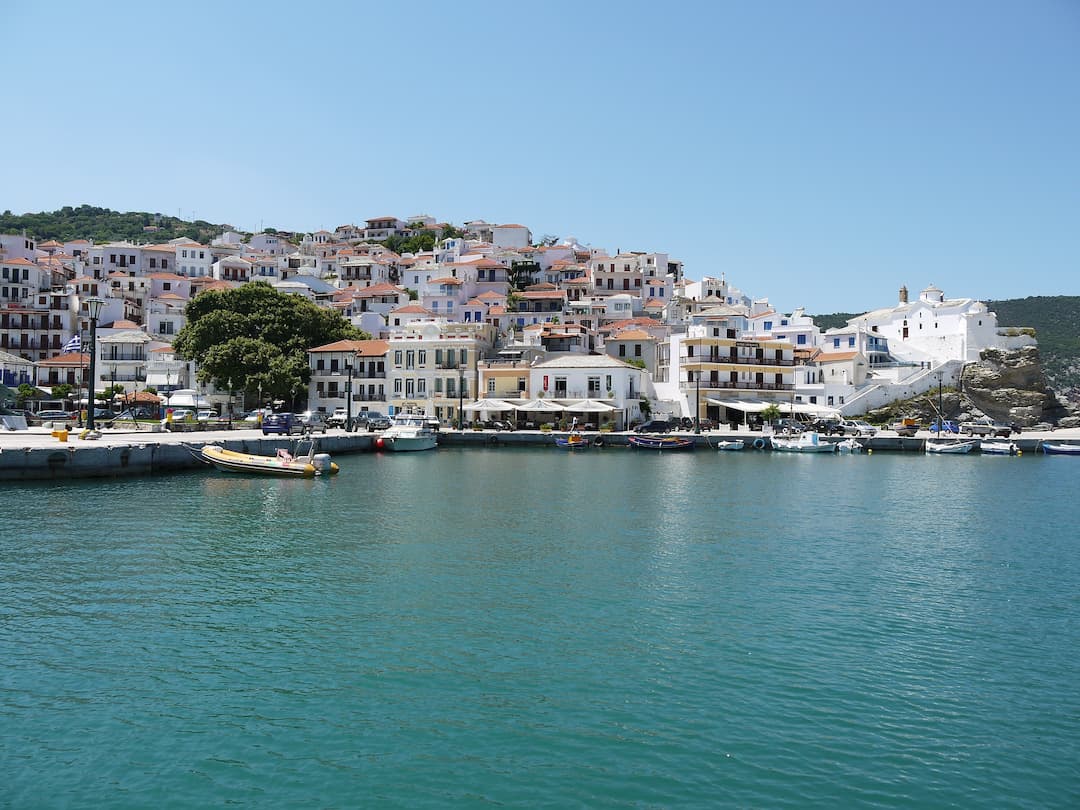
For the communities themselves, the test will be felt rather than read. A fishing town in western Ireland or a small Aegean island does not experience a Commission communication; it experiences whether the ferry still runs in winter, whether a nurse can afford to live where she works, whether a young engineer can build a business without moving to Dublin or Athens. The strategies acknowledge each of those pressures by name, which is more than previous EU frameworks managed. Whether the acknowledgement translates into ferries, clinics and jobs depends on the far less visible machinery of regional spending over the years ahead.
The honest verdict is that Brussels has done the easy and necessary part first. It has named a constituency, mapped its troubles and committed to think about them as a whole. The 17 million islanders and 95 million coastal residents now have a strategy with their names on it. The harder question, whether a framework without fresh funding can hold back the slow drain of people and prospects from Europe’s edges, will take years and a good deal of local follow-through to answer.