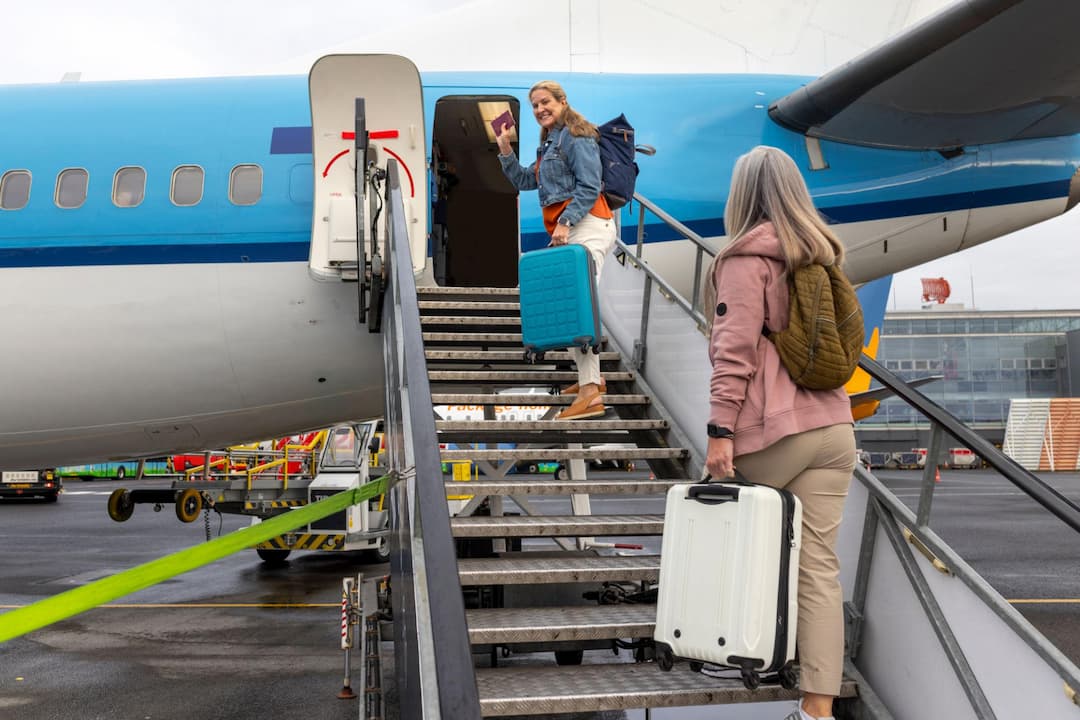
Why Airlines Lost Their Long Fight Over Cabin Bags
Rūta Meilutytė
Research Fellow, Transport and Mobility
Brussels: After thirteen years of deadlock, the European Union has finally rewritten the rules that govern what happens when a flight is delayed, cancelled or overbooked, and the most striking change is one passengers will notice before they even reach the airport: a cabin bag will once again be free. On 13 June 2026, EU ambassadors signed off on a sweeping overhaul of air passenger rights, ending a stalemate that had persisted since 2013 and updating the landmark Regulation 261 that has defined European air travel for two decades. The headline win for travellers is the requirement that airlines flying to and from EU airports include both a personal item and a standard cabin bag in their advertised base fares. The reform is a direct response to the unbundling strategy that low-cost carriers perfected over the past decade, in which a cheap headline price ballooned once luggage, seating and other extras were added. By folding the cabin bag back into the base fare, lawmakers have tried to make advertised prices mean something again. The deal does more than reunite passengers with their hand luggage. It preserves the right to compensation for delays of three hours or more, a threshold airlines had lobbied hard to weaken, while adding clearer procedures for filing claims, stronger fare transparency, protection against no-show penalties and guaranteed adjacent seating at no extra cost for families with children, disabled passengers and pregnant women. Stranded travellers gain firmer entitlements to meals, transport, hotel stays and reimbursement. Why did it take so long? The answer lies in a genuine clash of interests that resisted easy compromise. Airlines, backed by the industry body IATA, argued that generous compensation rules raise costs and dull European competitiveness, and they pressed for the delay threshold to be relaxed. Consumer groups and many parliamentarians insisted that weakening compensation would gut the very protections that make EU air travel rights the strongest in the world. For more than a decade, neither side could assemble the votes to break the impasse, and reform proposals repeatedly stalled. What finally shifted the balance was a political appetite to be seen delivering for consumers at a time when the cost of living dominates the agenda. A free cabin bag is the kind of tangible, easily understood benefit that resonates far beyond Brussels, and it gave negotiators a reason to settle the wider package. The trade-off is that the industry secured clearer, more predictable claims procedures, which carriers value because ambiguity itself is expensive. Not everyone is satisfied. IATA argues the reform misses the mark on delays and competitiveness, warning that the rules still impose heavy obligations without addressing the operational realities that cause disruption in the first place. Some consumer advocates, conversely, wanted the delay compensation threshold lowered rather than merely defended. That both sides grumble is perhaps the surest sign that the compromise lands somewhere in the contested middle. The new rules still need formal approval and would apply twelve months after entry into force, meaning travellers will not feel the full effect until 2027. But the direction is set. After thirteen years in which the politics of air travel proved more turbulent than the flights themselves, Europe has chosen, on balance, to side with the passenger. For an industry built on shaving every extra from the base fare, the message is unwelcome but unmistakable: the cabin bag is coming back, and the price on the screen will have to tell more of the truth.