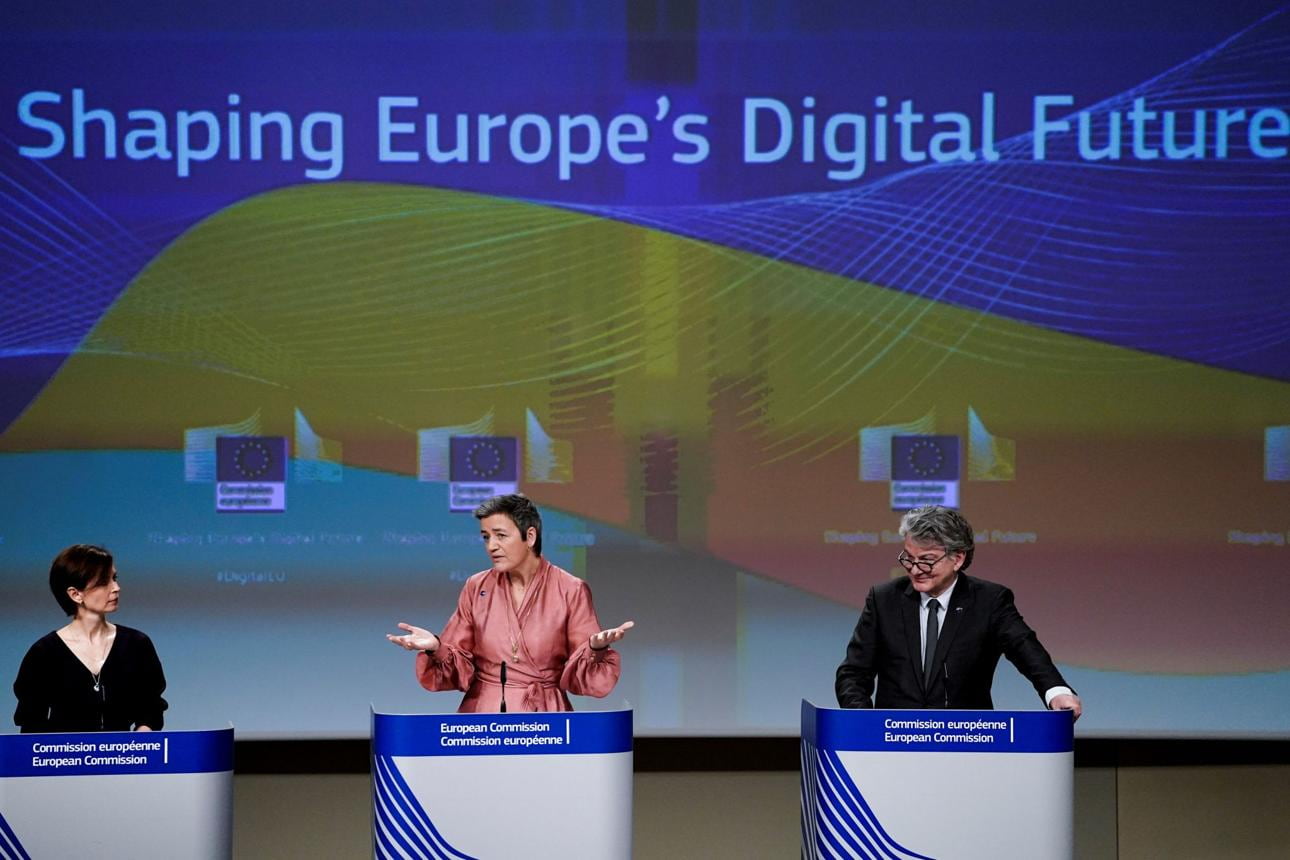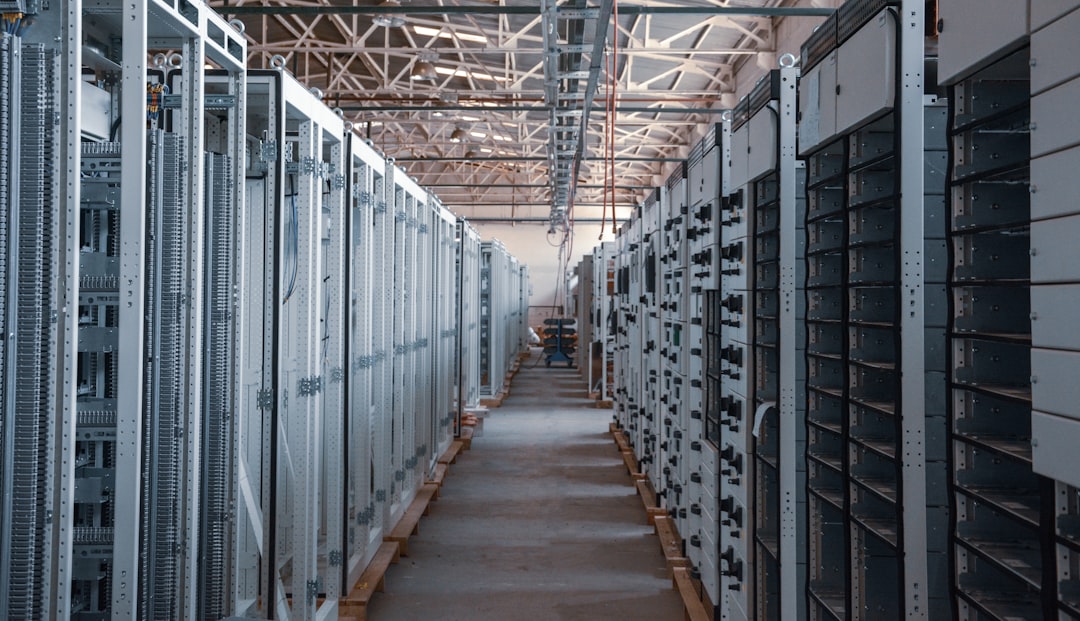
The European Commission’s proposal of 3 June 2026 for a Cloud and AI Development Act is the clearest admission yet that Europe believes it has fallen behind on the infrastructure of the digital age. The headline ambition is striking in its bluntness: roughly triple the Union’s data centre capacity within five to seven years, and ensure the bloc has the computing capacity it needs by 2035. Behind the number lies a diagnosis that Europe is short of the physical plant on which artificial intelligence runs, and dangerously dependent on a handful of non-European providers for the cloud services that now underpin its economy.
The act, part of a wider technological sovereignty package, tries to address both problems at once. On capacity, it promises to streamline the conditions for building data centres, the permitting, grid connection and siting decisions that currently make Europe a slow and expensive place to build. On dependence, it introduces something more novel: a single Union framework for assessing cloud and AI sovereignty, built around four assurance levels that public bodies can apply according to their own risk tolerance. The levels escalate from a baseline requirement that data be processed and stored on infrastructure physically located in the EU, through demonstrated independence from third-country influence, up to genuine EU ownership and operational control, including criteria on personnel and governance.
The most consequential lever is quieter than the capacity target. The act would require public authorities to weigh ‘Union added value’ as a non-price criterion when they procure cloud and AI services, judging the extent to which a provider strengthens Europe’s own supply chain, uses technology developed in the EU, or runs on hardware designed or made in Europe. This is industrial policy dressed as procurement rule. It does not ban foreign providers, but it tilts the vast purchasing power of the European public sector toward suppliers that can demonstrate European roots. For the dominant American hyperscalers, who have invested heavily in EU-located regions precisely to reassure regulators, the sovereignty ladder raises the bar from where the data sits to who ultimately controls it.
The strategic logic is coherent, but the tensions are real. The first is cost. Tripling capacity collides directly with the Union’s own climate and energy commitments, because data centres are voracious consumers of electricity and water. Streamlined permitting will mean little if the grid cannot supply the power, and a sovereignty drive that raises energy demand sits uncomfortably beside a 2040 emissions target that depends on freeing up clean power for electrification elsewhere. The second tension is between sovereignty and capability. The European providers the act seeks to favour are, for now, smaller and less capable at the cutting edge than the incumbents they are meant to displace. Mandating European preference too aggressively risks locking public bodies into less advanced tools precisely as the technology accelerates.
There is also the perennial question of whether Europe can will an industry into existence through regulation. The continent’s record is uneven. It has shown it can set global rules, as the data protection regime and the AI Act demonstrate, but rule-making is not the same as building champions. Capacity is built with capital, cheap energy, skills and speed, and on several of those measures Europe remains disadvantaged. The act gestures at the demand side through procurement and at the supply side through faster permitting, but it cannot by itself supply the tens of billions in private investment that tripling capacity implies.
What the proposal does achieve is clarity of intent. After years of describing digital sovereignty as an aspiration, Brussels has attached it to concrete instruments, measurable targets and the purchasing decisions of the state. Whether that converts into silicon and server halls, or remains another well-argued framework, will depend on factors largely outside the text: the price of European power, the appetite of investors, and whether member states are willing to pay a premium for control. The ambition is no longer in doubt. The means are still being assembled.