Brussels: When fertiliser prices lurched upward again this summer, the European Commission reached for a familiar tool and told member states they may hand farmers urgent, targeted fertiliser support. The decision says as much about Europe’s exposure as it does about the harvest.
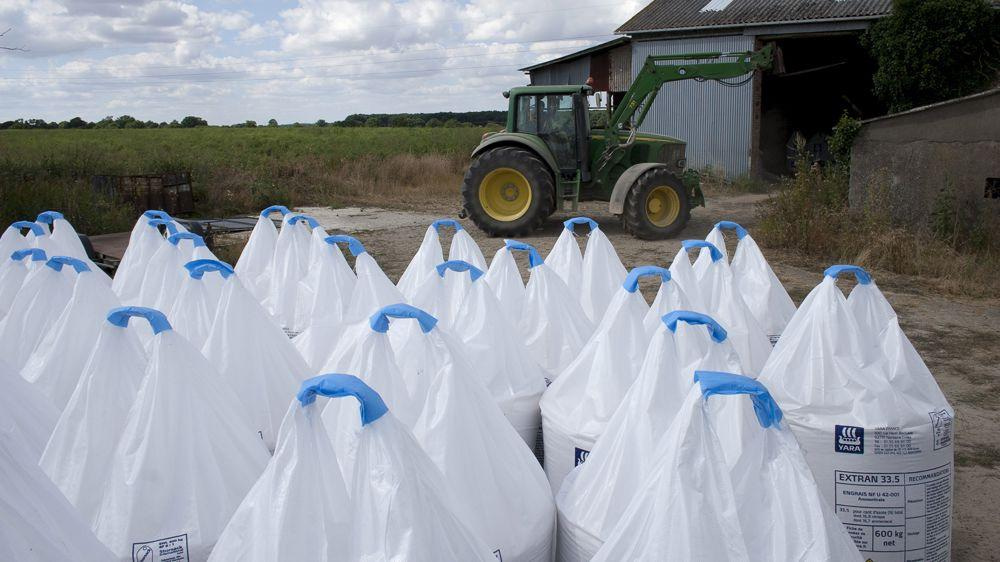
The trigger was the recent crisis in the Middle East, which pushed up the cost of natural gas and, through it, the cost of the nitrogen fertilisers that gas feeds. Farmers buy those inputs months before they sell a crop, so a price spike lands on balance sheets long before any revenue arrives.
A recurring emergency
This is not the first time Brussels has stepped in. Each shock exposes the same structural fact. European agriculture depends on energy it does not control, and nitrogen fertiliser is essentially stored natural gas. When gas markets convulse, farm economics convulse with them.
Letting national governments pay direct support offers fast relief, yet it carries a cost of its own. Wealthier member states can write larger cheques than poorer ones, which quietly tilts the single market. A German or Dutch farmer may receive help a Bulgarian or Romanian counterpart cannot match, widening a gap the Common Agricultural Policy was designed to narrow.
That tension explains why the Commission frames the aid as temporary and targeted rather than a permanent subsidy. It wants to cushion the shock without normalising bailouts that fragment the market it polices. State-aid rules usually cap what capitals may spend, so each emergency loosening chips away at a discipline the bloc took years to build.
The deeper fix nobody rushes
The durable answer cuts the dependence itself. Precision farming that applies less fertiliser more accurately, wider use of organic and recovered nutrients, and domestic capacity for low-carbon ammonia would all blunt the next price shock. None of them arrives fast, and all of them demand investment that stretched farmers struggle to fund during a squeeze.
A climate dimension runs through it too. Fertiliser production and overuse drive a large share of agriculture’s emissions, so a strategy that only cushions high prices without curbing consumption locks in both the cost and the pollution. The Commission’s livestock and protein plans, under review by farm ministers this month, gesture at that longer horizon.
For now the politics favour the cheque. Farm protests over the past two years taught Brussels that rural anger travels fast, and no government wants empty fields or blocked motorways during a cost-of-living debate. Immediate relief buys calm, even as it postpones the structural reckoning.
The measure sits alongside broader reforms tracked on the Commission’s agriculture and rural development page, and the week’s farm council agenda featured in the EU week-ahead calendar.
The pattern is now clear enough to name. Europe treats fertiliser shocks as emergencies to manage rather than dependencies to end. Until the investment in alternatives matches the speed of the payouts, each geopolitical tremor will send the same bill to the same fields, and Brussels will reach for the same familiar tool.