August 9, 2026
LATEST
New EU Gas Market Rules Take Effect With Consumer SafeguardsDeforestation Regulation Holds Its December Deadline Despite CutsDigital Omnibus Delays Europe’s High-Risk AI Deadline to 2027Europe’s Schools Confront a Widening Basic Skills GapRule of Law Report Finds Progress but Trust Still LagsIRIS2 Gains 66 Satellites as Brussels Signs the Rollout DealNature Restoration Plans Come Due as Member States Race a DeadlineECB Rates Hold at 2.25 Percent as Frankfurt Waits on the DataEU Budget Talks Turn to Cohesion as Ireland Takes OverWildfire Response Stretches Europe’s Emergency Fleet ThinCan Europe’s Quantum Plan Match Its Big Ambitions?Armenia Edges West as Moscow’s Grip Slips AwayEurope Inherits the World’s Aid Bill It Cannot Fully PayAir Passenger Rights Get Their First Overhaul in Two DecadesErasmus Opens a 5 Billion Euro Round for Skills and MobilityCeuta Crisis Pushes the EU Toward Faster Migrant ReturnsBulky Parcels Face a Packaging Crackdown From August 12Can Europe Build Its Drone Wall Before 2030 Arrives?Indonesia’s Trade Deal With Europe Nears Its Final SignatureEurope Leans on Beijing to Keep Climate Talks Alive Before AntalyaNew EU Gas Market Rules Take Effect With Consumer SafeguardsDeforestation Regulation Holds Its December Deadline Despite CutsDigital Omnibus Delays Europe’s High-Risk AI Deadline to 2027Europe’s Schools Confront a Widening Basic Skills GapRule of Law Report Finds Progress but Trust Still LagsIRIS2 Gains 66 Satellites as Brussels Signs the Rollout DealNature Restoration Plans Come Due as Member States Race a DeadlineECB Rates Hold at 2.25 Percent as Frankfurt Waits on the DataEU Budget Talks Turn to Cohesion as Ireland Takes OverWildfire Response Stretches Europe’s Emergency Fleet ThinCan Europe’s Quantum Plan Match Its Big Ambitions?Armenia Edges West as Moscow’s Grip Slips AwayEurope Inherits the World’s Aid Bill It Cannot Fully PayAir Passenger Rights Get Their First Overhaul in Two DecadesErasmus Opens a 5 Billion Euro Round for Skills and MobilityCeuta Crisis Pushes the EU Toward Faster Migrant ReturnsBulky Parcels Face a Packaging Crackdown From August 12Can Europe Build Its Drone Wall Before 2030 Arrives?Indonesia’s Trade Deal With Europe Nears Its Final SignatureEurope Leans on Beijing to Keep Climate Talks Alive Before Antalya
August 9, 2026
LATEST
New EU Gas Market Rules Take Effect With Consumer SafeguardsDeforestation Regulation Holds Its December Deadline Despite CutsDigital Omnibus Delays Europe’s High-Risk AI Deadline to 2027Europe’s Schools Confront a Widening Basic Skills GapRule of Law Report Finds Progress but Trust Still LagsIRIS2 Gains 66 Satellites as Brussels Signs the Rollout DealNature Restoration Plans Come Due as Member States Race a DeadlineECB Rates Hold at 2.25 Percent as Frankfurt Waits on the DataEU Budget Talks Turn to Cohesion as Ireland Takes OverWildfire Response Stretches Europe’s Emergency Fleet ThinCan Europe’s Quantum Plan Match Its Big Ambitions?Armenia Edges West as Moscow’s Grip Slips AwayEurope Inherits the World’s Aid Bill It Cannot Fully PayAir Passenger Rights Get Their First Overhaul in Two DecadesErasmus Opens a 5 Billion Euro Round for Skills and MobilityCeuta Crisis Pushes the EU Toward Faster Migrant ReturnsBulky Parcels Face a Packaging Crackdown From August 12Can Europe Build Its Drone Wall Before 2030 Arrives?Indonesia’s Trade Deal With Europe Nears Its Final SignatureEurope Leans on Beijing to Keep Climate Talks Alive Before AntalyaNew EU Gas Market Rules Take Effect With Consumer SafeguardsDeforestation Regulation Holds Its December Deadline Despite CutsDigital Omnibus Delays Europe’s High-Risk AI Deadline to 2027Europe’s Schools Confront a Widening Basic Skills GapRule of Law Report Finds Progress but Trust Still LagsIRIS2 Gains 66 Satellites as Brussels Signs the Rollout DealNature Restoration Plans Come Due as Member States Race a DeadlineECB Rates Hold at 2.25 Percent as Frankfurt Waits on the DataEU Budget Talks Turn to Cohesion as Ireland Takes OverWildfire Response Stretches Europe’s Emergency Fleet ThinCan Europe’s Quantum Plan Match Its Big Ambitions?Armenia Edges West as Moscow’s Grip Slips AwayEurope Inherits the World’s Aid Bill It Cannot Fully PayAir Passenger Rights Get Their First Overhaul in Two DecadesErasmus Opens a 5 Billion Euro Round for Skills and MobilityCeuta Crisis Pushes the EU Toward Faster Migrant ReturnsBulky Parcels Face a Packaging Crackdown From August 12Can Europe Build Its Drone Wall Before 2030 Arrives?Indonesia’s Trade Deal With Europe Nears Its Final SignatureEurope Leans on Beijing to Keep Climate Talks Alive Before Antalya

Will A Tighter Steel Quota Save Mills Or Squeeze Buyers

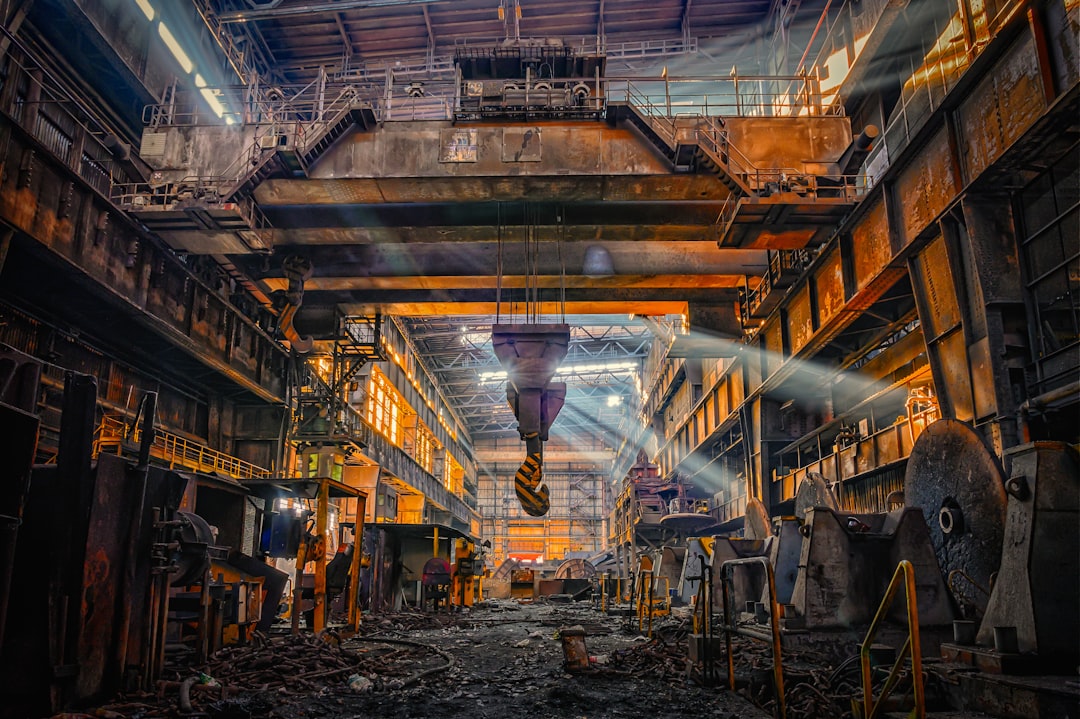
Brussels: Europe is about to run one of the largest protective experiments its steel market has seen in a generation, and the verdict will not be settled by the producers who lobbied for it. From 1 July, a new safeguard regime replaces the measures that have shielded the sector since 2018, but with a severity that marks a genuine break rather than a rollover. Tariff-free imports are to be capped at 18.3 million tonnes a year, roughly a 47 percent cut from the 2024 quota, and the duty on steel arriving above that ceiling doubles to 50 percent.

The logic is straightforward and, on its own terms, defensible. Global steel capacity vastly exceeds demand, much of it concentrated in subsidised producers outside the Union, and that surplus has for years leaked into the European market at prices domestic mills say they cannot match. The industry body EUROFER has called the deal a major step toward saving hundreds of thousands of jobs, and the political agreement reached in April between Parliament and Council moved with unusual speed for a trade file. A new Melt and Pour requirement, which forces importers to declare where steel was originally smelted rather than merely where it was last processed, closes a circumvention route that had blunted earlier safeguards.

Yet the harder analytical question is who actually bears the cost of protection. Steel is an input, not a final good, and the Union’s automotive, construction, machinery and appliance sectors employ far more people than its mills. A quota that lifts domestic prices protects the upstream producer by taxing the downstream user, and those users compete in global markets where their own customers feel no obligation to buy European. If a 50 percent out-of-quota duty pushes input costs above what carmakers or fabricators pay elsewhere, the measure could defend steelmaking jobs while quietly eroding the much larger base of steel-using employment.

This is the tension that think tanks such as Bruegel have flagged in urging the Commission to moderate the plan. Protection that is calibrated to a temporary surge can buy breathing room for an industry to decarbonise and restructure. Protection that hardens into a permanent floor invites the classic pathologies: complacent incumbents, retaliation from trading partners, and a domestic price premium that compounds the very competitiveness problem European manufacturing is trying to escape. The 18.3 million-tonne figure is not a forecast of need; it is a political choice about how much foreign steel the market will be allowed to absorb, and choices like that tend to be stickier than the emergencies that justify them.

There is also a climate dimension that cuts both ways. The Union wants to keep steelmaking on European soil partly so it can be cleaned up under European rules, and the safeguard dovetails with the carbon border levy now beginning to bite on imports. But shielding the sector from price competition reduces the pressure to invest in the green technologies that justify keeping it at home in the first place. The Melt and Pour traceability rule is the most quietly consequential part of the package precisely because it makes both trade enforcement and carbon accounting harder to dodge.

The measure still needs formal endorsement by member states and Parliament before it applies, and the lobbying from steel-using industries is unlikely to stop at the threshold. What the next year will reveal is whether the regime behaves as its designers intend, as a shock absorber that gives Europe time to modernise its mills, or as a subsidy to one industry paid for by the broader manufacturing base. The mills have won the argument over whether to act. The unresolved question is whether protection at this depth strengthens European industry or merely rearranges where its weakness shows up.