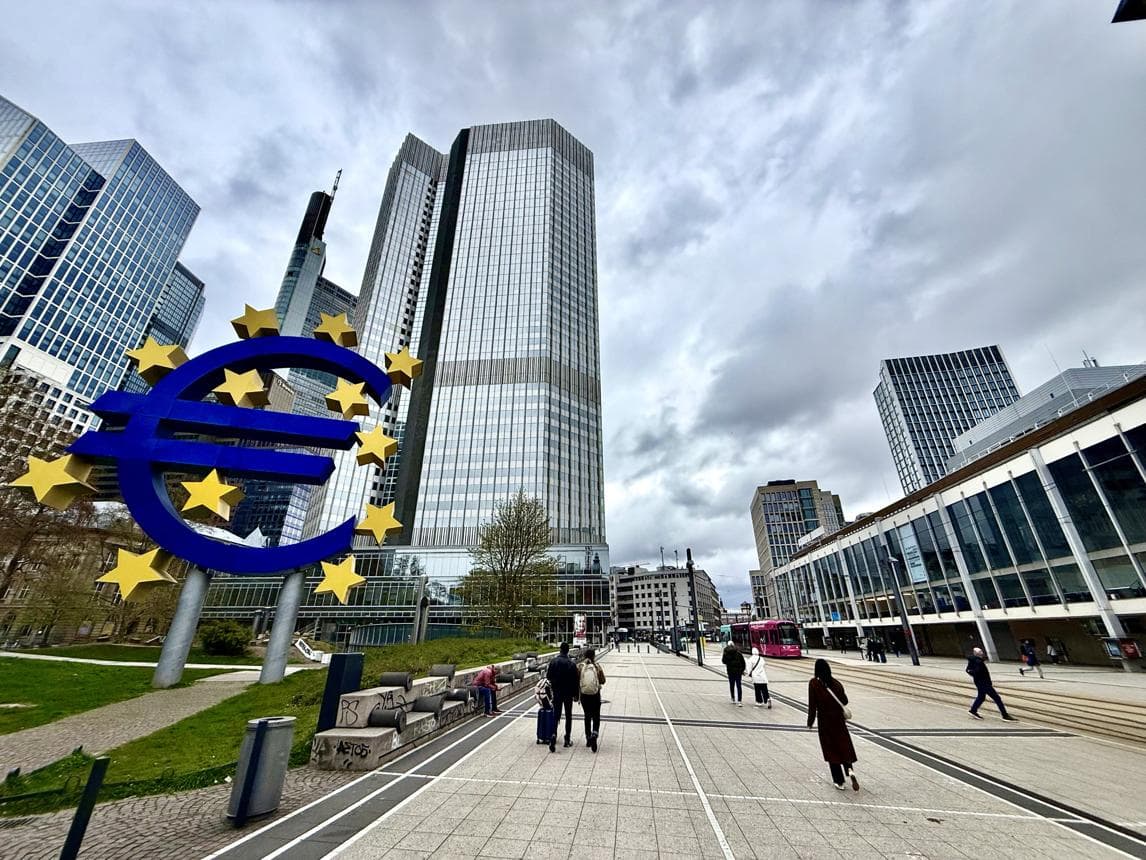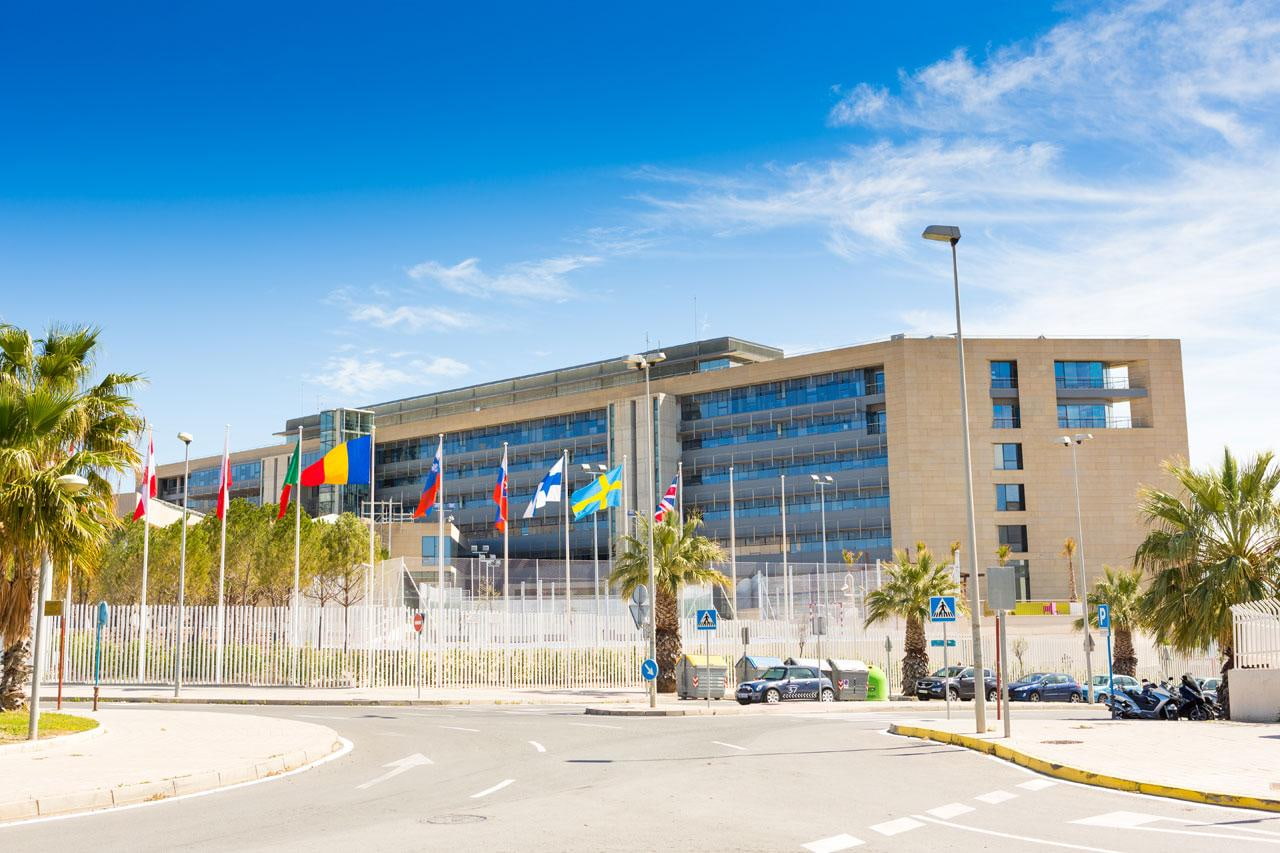
Alicante: Fake handbags rarely make headlines about national security, yet the investigators who gathered in southern Spain this month argued that counterfeiting has crept into far more dangerous territory. The Union’s anti-fraud office, OLAF, joined the bloc’s intellectual-property agency at the start of July for a conference pointedly titled Securing Europe’s Backbone.
The theme was counterfeiting in critical and high-risk sectors: transport systems, communication networks and the infrastructure that keeps a modern economy running. More than fifty participants attended the two-day meeting at the intellectual-property agency’s premises, among them customs officials from across the Union and technical experts drawn from aviation and nuclear safety bodies.
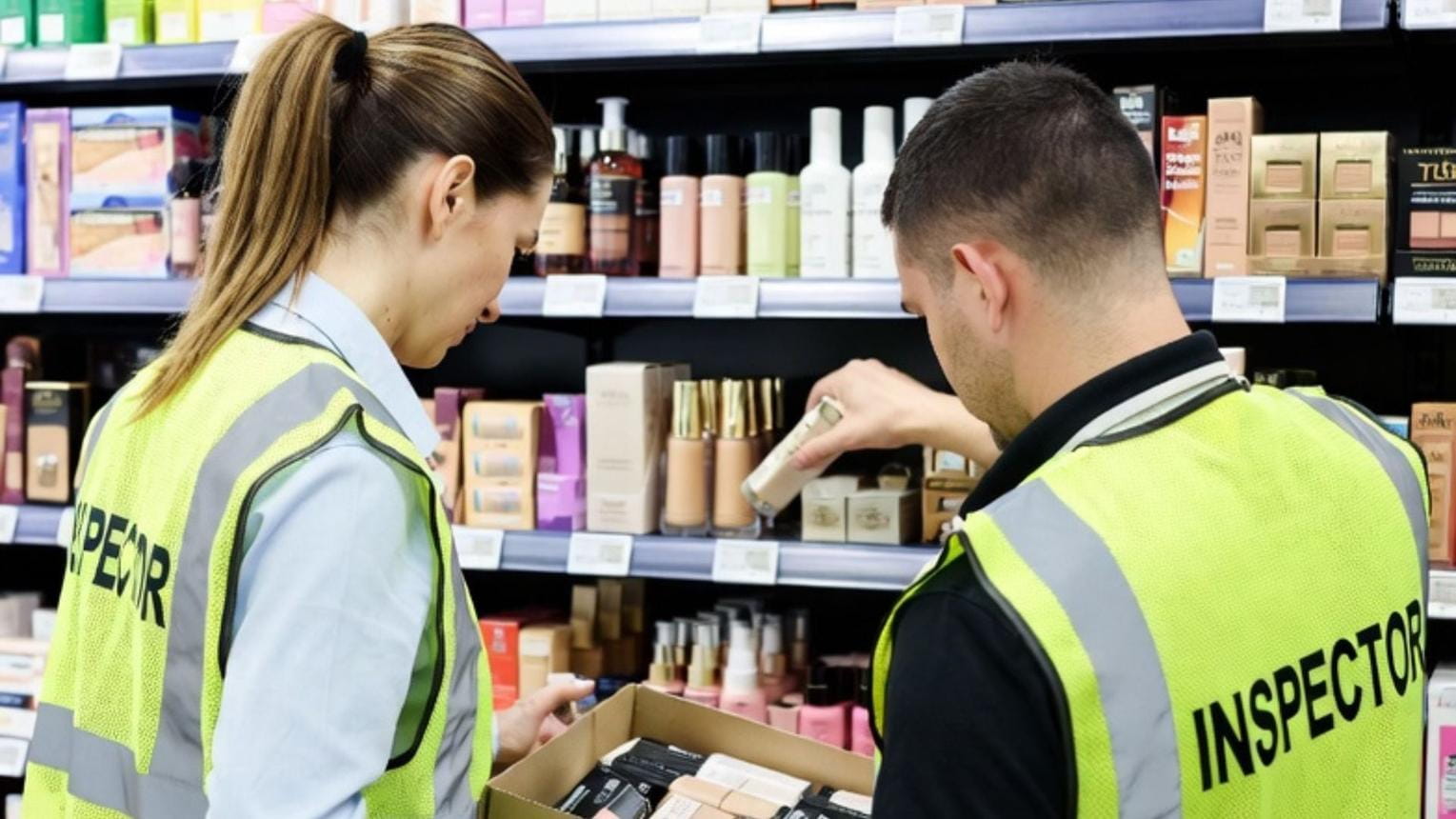
The guest list told its own story. Alongside the regulators sat brand-protection teams from companies whose parts end up in aircraft, cars and telecom hardware, including chipmakers, network suppliers and heavy-vehicle manufacturers. Their shared complaint was that a fake component in a brake system or a data centre is not a lifestyle nuisance but a hazard that can kill or knock out a service millions rely on.
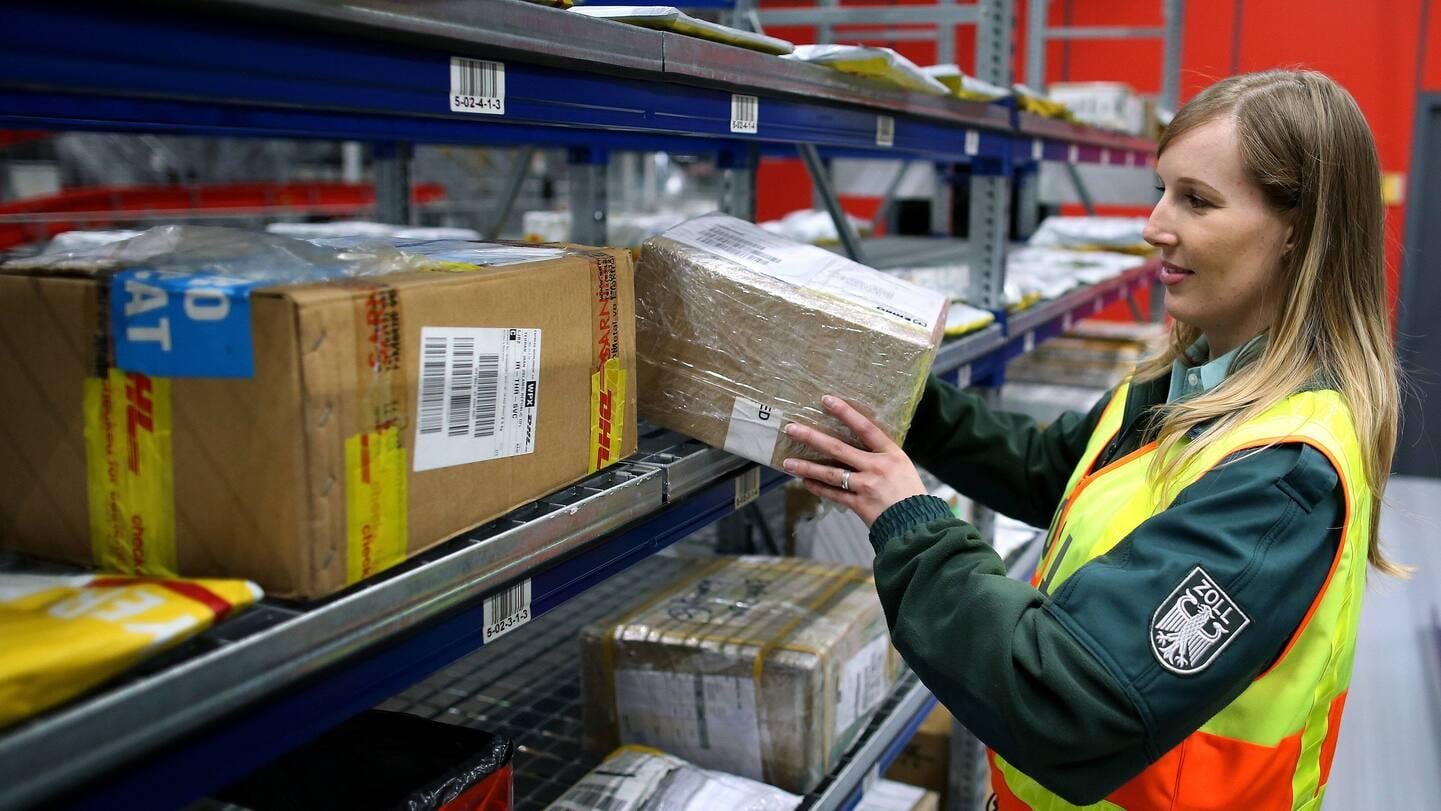
The numbers behind the rhetoric are large. Counterfeiting drains billions of euros from Union industries every year and costs thousands of jobs, and enforcement bodies say the trade has migrated online, where sellers scatter across platforms faster than any single customs post can track. That dispersal is precisely why OLAF and the intellectual-property agency want customs, industry and international partners sharing intelligence in something closer to real time.
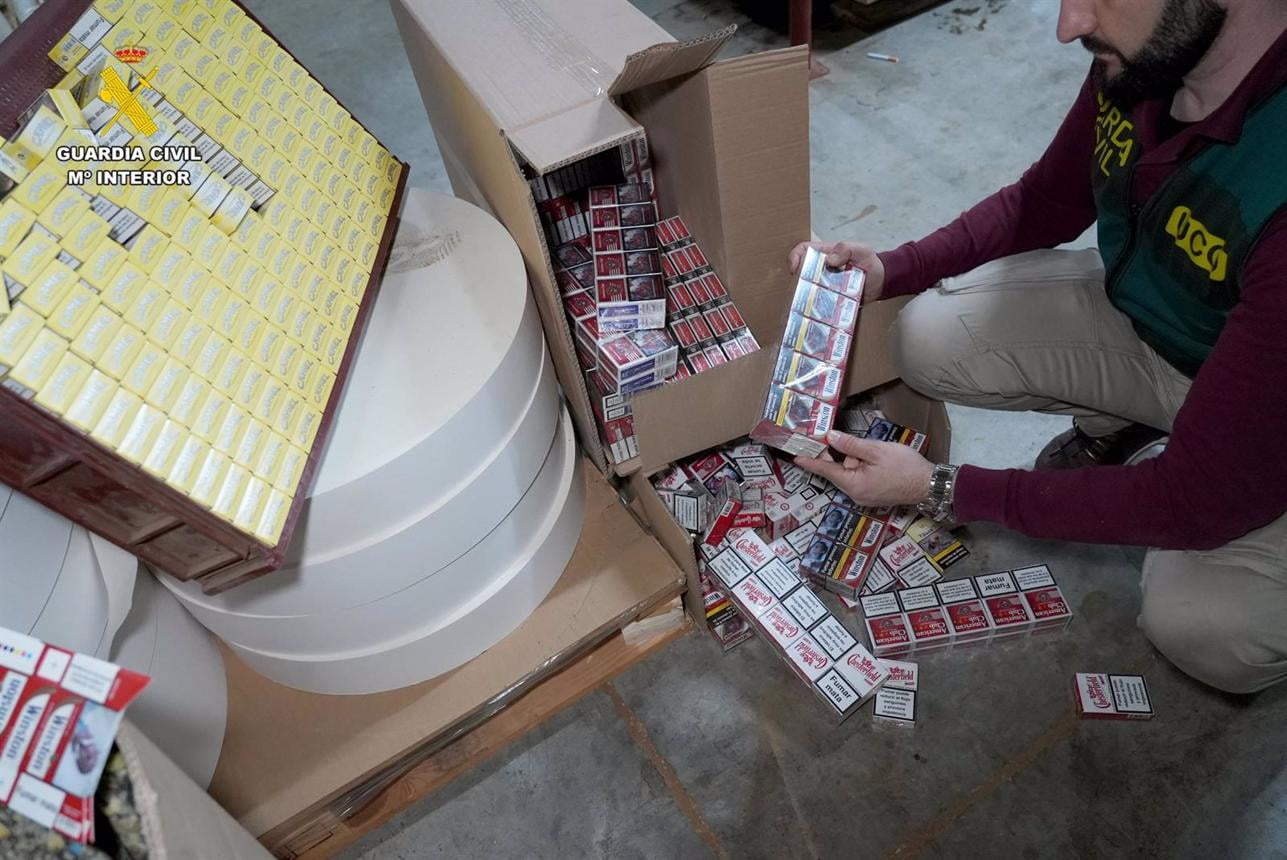
Recent operations show the machinery working. In June, acting on coordinated information, Portuguese authorities searched sites near the coast and uncovered more than 14,000 counterfeit items worth over 600,000 euros. Cases like it rarely reach front pages, but investigators treat them as evidence that pooled tips and joint action can dismantle supply lines a single agency would miss.
OLAF has its own tally to defend. Its most recent annual report recommended the recovery of close to 600 million euros lost to fraud and irregularities, a figure the office uses to argue that anti-fraud work pays for itself many times over. Counterfeiting forms only one strand of that caseload, but it is the strand where public safety and economic security most visibly overlap.
Critics of the current system say enforcement still lags the criminals. Seizures capture a fraction of the flow, penalties rarely deter organised networks, and online marketplaces face uneven pressure to police their sellers. The Alicante gathering produced no single fix for any of that, and its organisers did not pretend otherwise.
What it produced instead was a reframing that officials hope sticks. Counterfeiting, they insist, has outgrown its image as a victimless bargain and now belongs in the same conversation as infrastructure resilience and strategic autonomy. Turning that argument into faster takedowns and tougher penalties remains the harder task ahead.