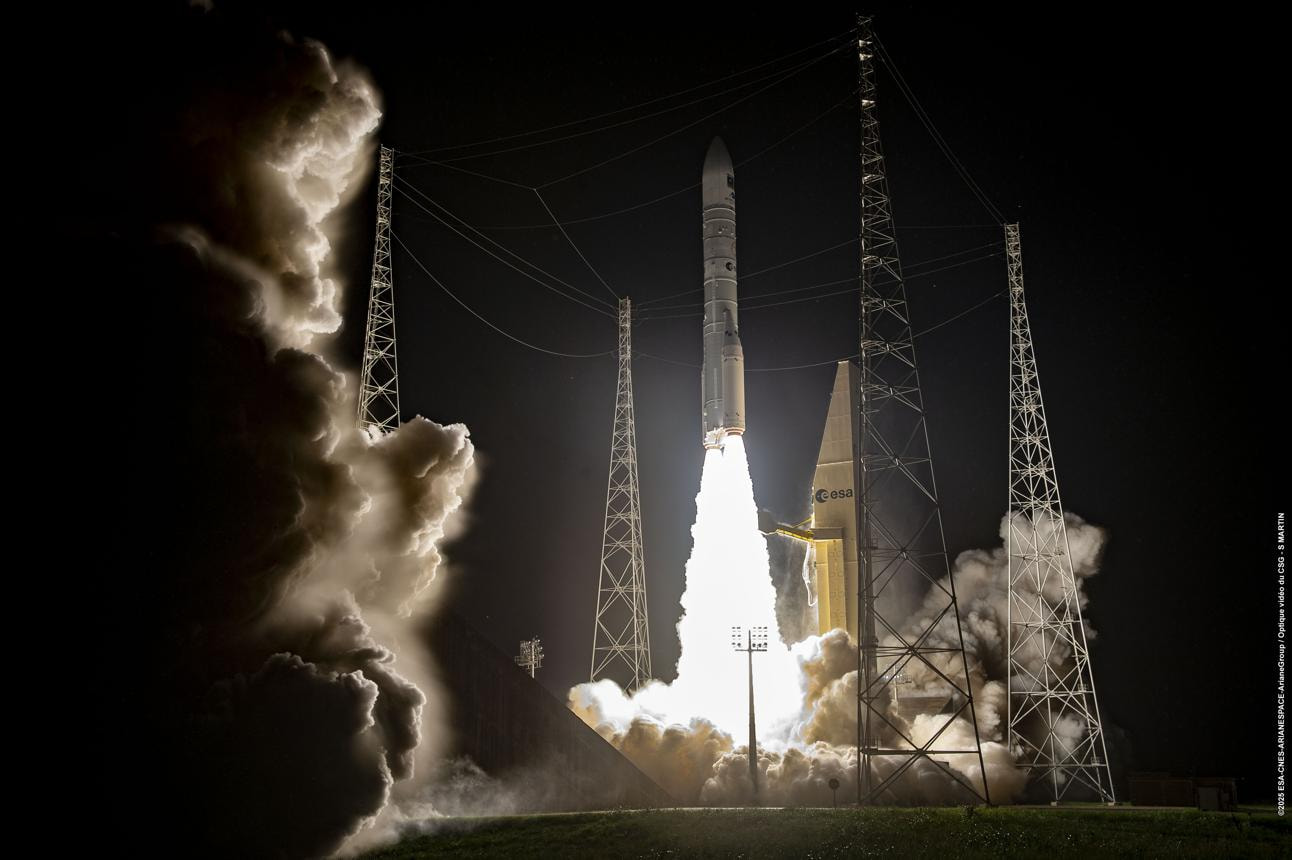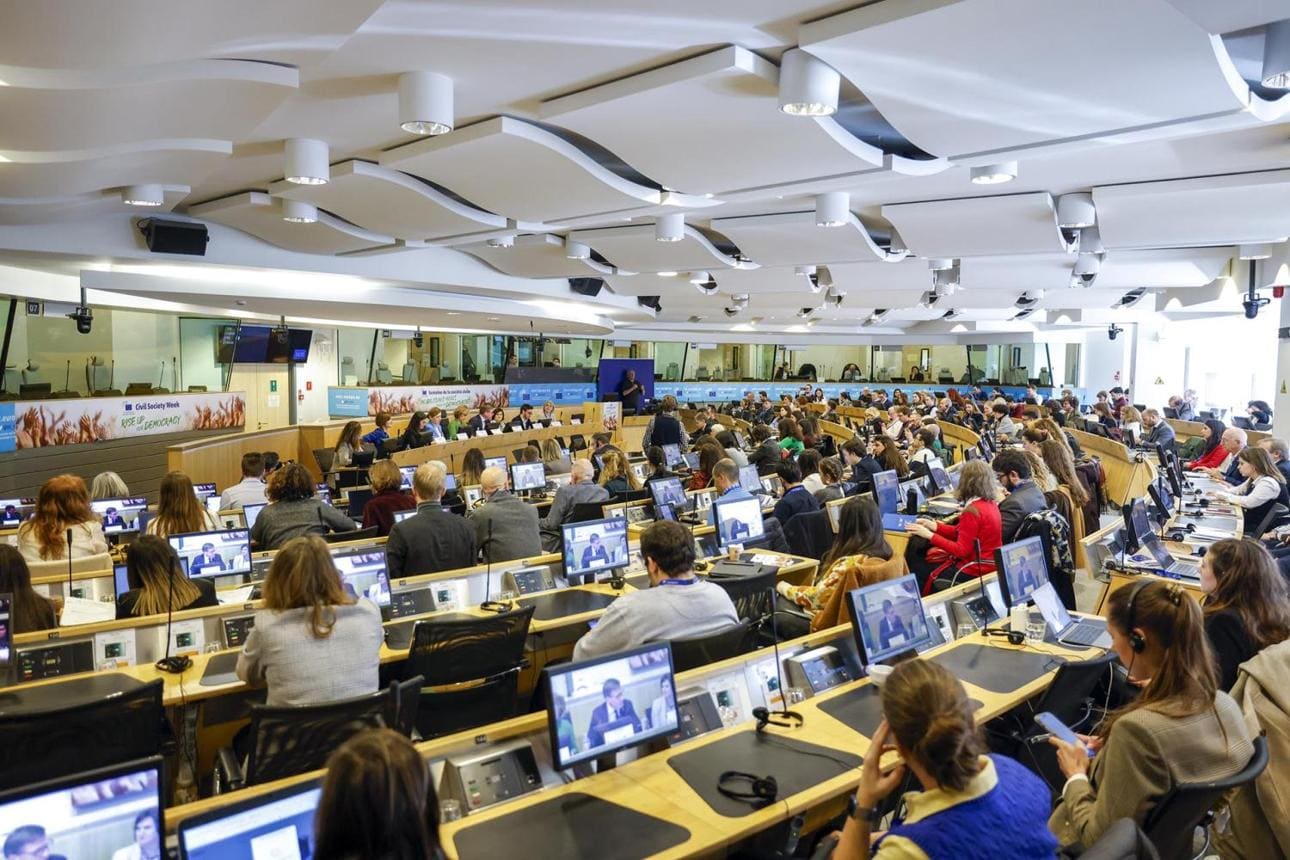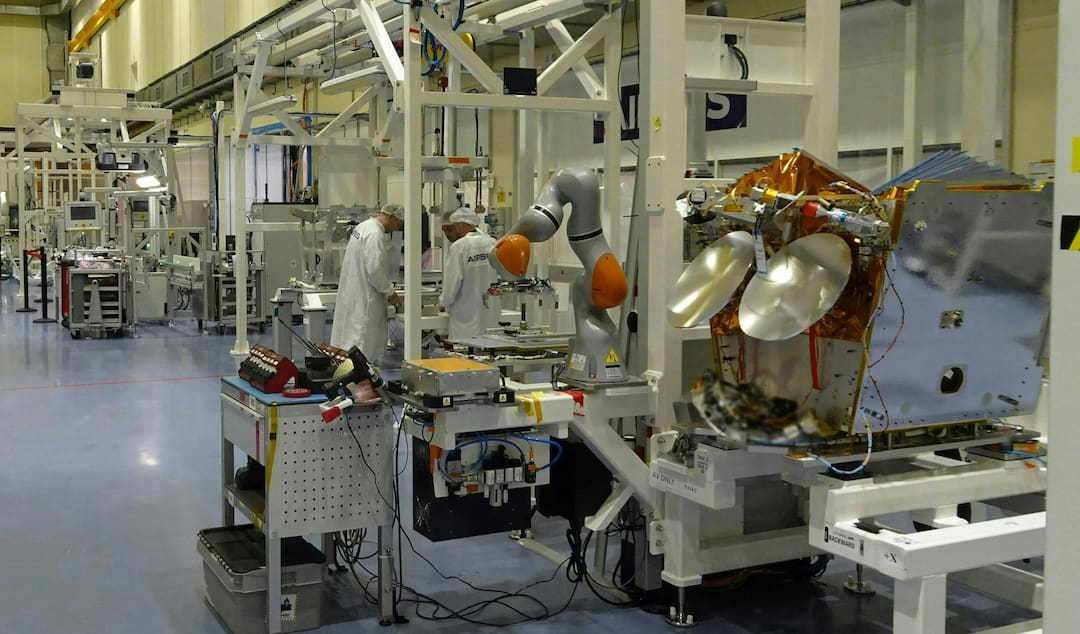
Toulouse: Europe’s answer to the private mega-constellations racing overhead has just grown larger and more ambitious. On 7 August the European Commission and the SpaceRISE consortium signed an implementation agreement for IRIS2, the bloc’s secure connectivity programme, adding 66 satellites to the plan and lifting the main constellation to 348 spacecraft in low Earth orbit.
The deal marks the point where IRIS2 moves from blueprint to build. Negotiations that began in January settled the design, the system’s capacity, the deployment schedule, the target price and the share private operators will invest. With signatures now in place, the consortium can start ordering hardware and locking in launch slots rather than debating parameters.
Secure connectivity sits at the heart of the project. IRIS2 is meant to give governments across the Union a communications backbone they control themselves, rather than leaning on commercial networks owned outside Europe. Authorised users will run sensitive traffic through the system during crises, border operations and military missions, with encryption designed to hold even against the code-breaking power that quantum computers may one day bring.
The expanded constellation reflects lessons drawn from a fast-changing orbital landscape. Commercial rivals have shown that resilience comes from numbers, since a network of hundreds of satellites can route around a failure or an attack that would cripple a handful of larger spacecraft. By enlarging the fleet, planners are buying redundancy as much as capacity.
Governance splits along clear lines. The Commission steers the programme and its budget, while the EU Agency for the Space Programme takes charge of service delivery, security accreditation and the needs of the governmental users who will ultimately depend on it. The agency says it will keep those users at the centre as the services take shape; its newsroom lays out the revised plan.
Norway and Iceland join the member states as participants, extending the secure network beyond the Union’s own borders to close partners. That reach matters for operations in the high north and across the Atlantic approaches, where reliable communications can be scarce and the strategic stakes are rising.
Money and timing remain the open questions. IRIS2 blends public funding with private investment, and keeping the schedule on track will test whether the consortium can deliver hundreds of satellites without the delays that have dogged other flagship space efforts. Officials point to the accelerated timeline as proof of urgency; sceptics will wait for the first operational services before judging.
For a bloc that has watched sovereignty debates spread from energy to chips to data, a communications network it owns outright carries obvious appeal. The agreement signed this month turns that ambition into a construction programme, and the coming launches will show how fast Europe can put its own secure constellation to work.