Munich: When European regulators first imposed duties on Chinese electric cars in October 2024, they promised a shield for the continent’s carmakers. Two years on, Brussels has begun to lower that shield, swapping its EV tariffs for a negotiated price floor that satisfies almost nobody completely.
The European Commission published guidance in January that lets Chinese producers escape the extra duties. In return, each manufacturer promises not to sell a given model below an agreed minimum price. Officials calculate the floor vehicle by vehicle rather than fixing a single number, and they reward firms that pledge to invest inside the Union or cap their export volumes. The Commission set out the mechanism in its minimum price guidance.
The logic reads plainly enough. The original EV tariffs ranged from 7.8 to 35.3 percent on top of the standard ten percent duty, and they varied by producer. They lifted sticker prices, yet they also invited retaliation and left European buyers paying more for cleaner cars. A price floor, Brussels argues, strips out the unfair discount without lighting a wider trade war.
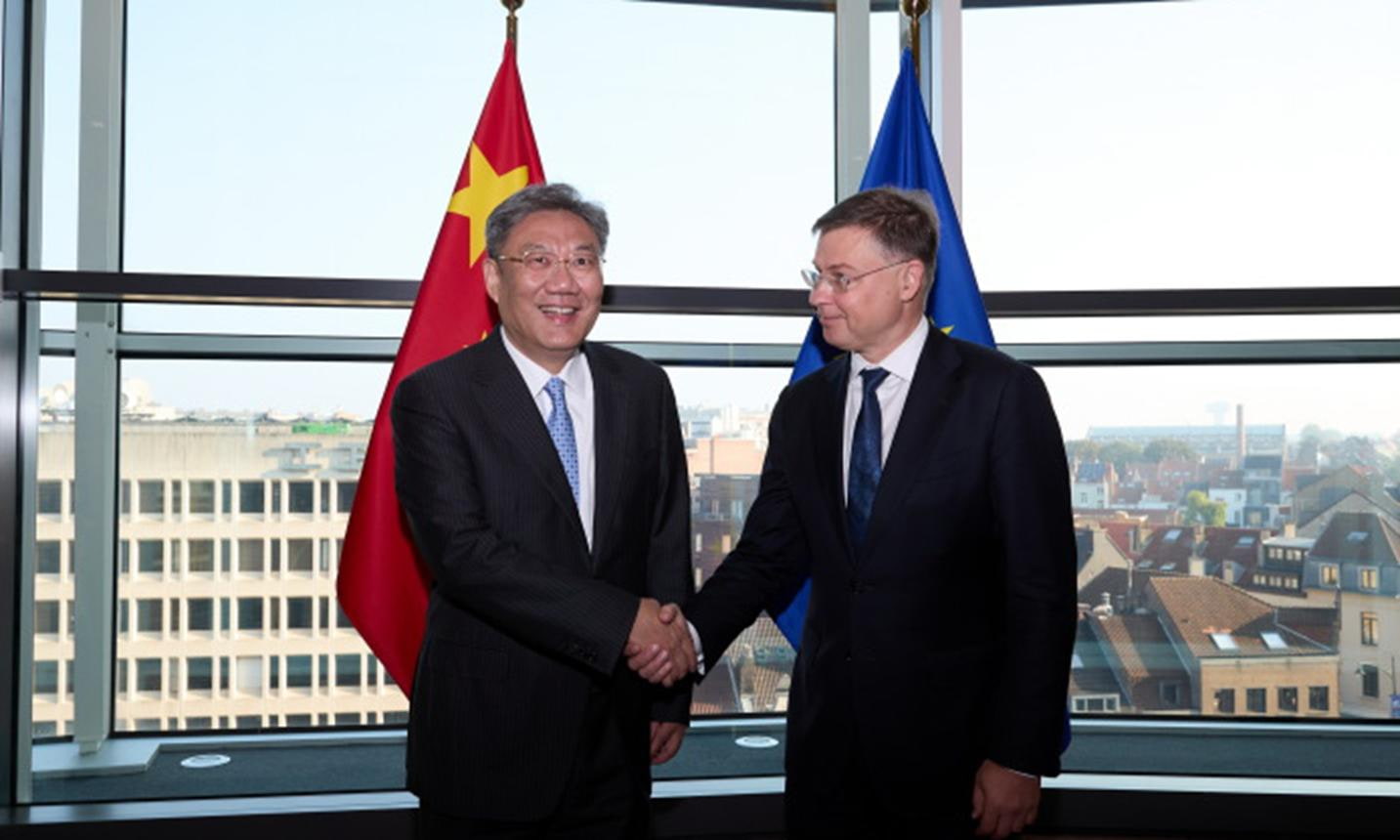
Beijing treats the shift as leverage rather than defeat. Chinese negotiators pushed for a blanket 30,000-euro minimum, which the Commission rejected as far too crude for a market that runs from compact hatchbacks to premium saloons. The two sides now haggle model by model, and every number carries political weight because it decides how sharply a BYD or a Xpeng can undercut a Volkswagen.
Germany’s carmakers watch the talks with divided loyalties. They build a large share of their profits in China and dread any escalation that shuts them out of Shanghai showrooms. At the same time, they want their home market protected from rivals who still enjoy generous state backing. That tension explains why Berlin lobbied hardest for a settlement that trades tariffs for prices.
Critics see a quieter surrender. A floor mostly formalises today’s prices instead of forcing them up, so Chinese brands keep their foothold while shedding the stigma of punitive duties. Consumer groups warn that European drivers could lose the cheap electric models that made the switch from petrol affordable, slowing the very transition the Union claims to champion. Euronews traced the latest step in that dispute.
The deeper question concerns credibility. Brussels spent a year building a trade-defence case, complete with anti-subsidy findings, only to convert it into a pricing arrangement that leans on Chinese goodwill to hold. If manufacturers breach their commitments, the Commission must reopen the whole file and reimpose duties it just retired, a threat that looks stronger on paper than in practice.
For now, the price floor buys Europe time. It cools a confrontation that neither side could win outright, and it keeps Chinese investment flowing toward European plants. Whether it protects the industry it was designed to save will become clear only when the next generation of affordable Chinese EVs reaches the showroom, priced exactly at the line Brussels drew.