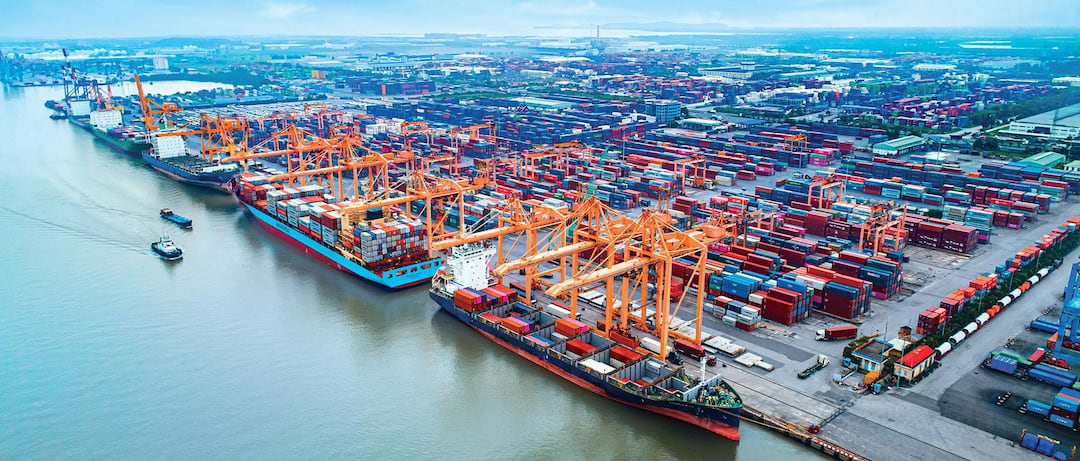
Hai Phong: European engineering firms working around this northern port city sell equipment into Vietnam under a trade agreement that works, while the companion treaty meant to protect their investments still sits unfinished.
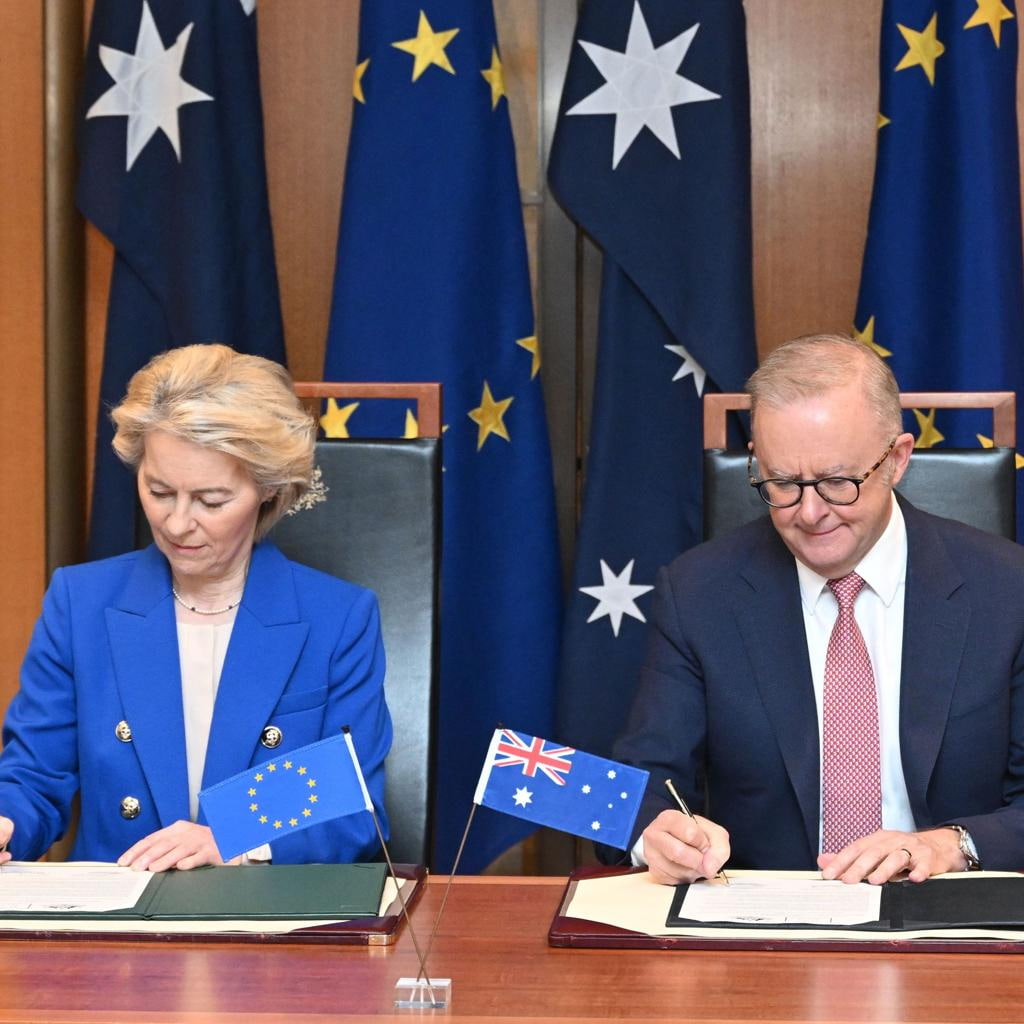
The Union and Vietnam signed two instruments in Hanoi on 30 June 2019. The free trade agreement entered into force in August 2020 and has cut tariffs steadily since. The investment protection agreement, which would replace older bilateral treaties and route disputes through a standing investment court, requires ratification by every member state. Seven years after signature, the European Parliament’s own tracker still lists it as pending.
Hanoi ratified in 2020. The European Parliament consented in the same year. The delay lives entirely in national capitals, where investment protection has become politically awkward. Several governments soured on investor-state dispute mechanisms after domestic campaigns against earlier trade deals, and ratification of a treaty with a distant partner rarely reaches the top of a crowded legislative agenda.
The gap embarrasses Brussels at an inconvenient moment. The Commission spent 2026 promoting Global Gateway in Vietnam, with Commissioner Jozef Sikela travelling to Hanoi in March and European development banks committing 230 million euros toward the Bac Ai pumped storage project. Europe asks Vietnamese counterparts to trust long-horizon European finance while failing to deliver the legal instrument that protects European capital.
Vietnamese officials notice. They have absorbed a decade of European lectures about ratification discipline, about honouring commitments, about the reliability of the Union as a partner compared with alternatives. A treaty stuck in twenty-seven parliaments is a poor advertisement for any of it.
The practical consequence is uneven. Investors from member states with surviving bilateral treaties keep their old protections. Investors from states whose treaties were already terminated operate with less cover than they had before the Union promised an upgrade. The reform, in those cases, has made things worse than the arrangement it replaced.
There is a structural argument buried here about how Europe negotiates. Splitting trade and investment into separate agreements let the Commission move tariffs quickly under exclusive competence while parking the contested material in a mixed agreement. The tactic delivered speed on trade and paralysis on investment, and the same design now governs deals with Singapore, Indonesia and others in the queue.
Vietnam has meanwhile diversified. It signed the CPTPP, deepened ties with Washington and Tokyo, and courted investment from Korean and Japanese manufacturers relocating out of China. European firms remain welcome but no longer scarce.
Fixing this needs no new negotiation. It needs member state governments to schedule a vote. That is a modest ask, and the fact that it has taken seven years says more about European decision-making than about Vietnam.