September 18, 2026
LATEST
Riyadh Gets a Summit Date Before the Gulf Trade Text Is WrittenMontenegro Has Fifteen Chapters and Six Months Left to Close ThemPyongyang Earns European Salaries Through Staff Nobody Ever MetNew Zealand Is the Partner Europe Talks To but Has Not SignedIndonesia Wants an October Signature Europe Has Not ScheduledNine Parliaments Still Stand Between Hanoi and Its Investment PactMEPs Back a Democracy Shield That Still Lacks a Legal ActWhy Due Cause Rarely Saves a Political Parody in CourtErasmus Budget Heads for an October Vote With Its Shares UnsettledEurope’s Pharma Package Waits on One Final Parliament Vote in AutumnCouncil Must Sign Off Five Defence Projects Before EDIP Pays OutInvestors Bid 152 Billion for 11 Billion of EU-BondsEgypt’s Macro-Financial Assistance Nears Its Most Political PaymentGreen Hydrogen Gets Fifty-Eight Million of a Twelve-Billion PledgeFerronickel Supply Puts a Chinese Mining Deal in DoubtEU Solidarity Fund Sends 489 Million After Winter StormsForeign Money Now Faces One Screening Rulebook Across the UnionFinland Entered the Deficit List While Nine Older Cases WaitMember States Must Now Criminalise the Abuse of Public OfficePaperless Trade Is the Part of the Singapore Deal That BitesRiyadh Gets a Summit Date Before the Gulf Trade Text Is WrittenMontenegro Has Fifteen Chapters and Six Months Left to Close ThemPyongyang Earns European Salaries Through Staff Nobody Ever MetNew Zealand Is the Partner Europe Talks To but Has Not SignedIndonesia Wants an October Signature Europe Has Not ScheduledNine Parliaments Still Stand Between Hanoi and Its Investment PactMEPs Back a Democracy Shield That Still Lacks a Legal ActWhy Due Cause Rarely Saves a Political Parody in CourtErasmus Budget Heads for an October Vote With Its Shares UnsettledEurope’s Pharma Package Waits on One Final Parliament Vote in AutumnCouncil Must Sign Off Five Defence Projects Before EDIP Pays OutInvestors Bid 152 Billion for 11 Billion of EU-BondsEgypt’s Macro-Financial Assistance Nears Its Most Political PaymentGreen Hydrogen Gets Fifty-Eight Million of a Twelve-Billion PledgeFerronickel Supply Puts a Chinese Mining Deal in DoubtEU Solidarity Fund Sends 489 Million After Winter StormsForeign Money Now Faces One Screening Rulebook Across the UnionFinland Entered the Deficit List While Nine Older Cases WaitMember States Must Now Criminalise the Abuse of Public OfficePaperless Trade Is the Part of the Singapore Deal That Bites
September 18, 2026
LATEST
Riyadh Gets a Summit Date Before the Gulf Trade Text Is WrittenMontenegro Has Fifteen Chapters and Six Months Left to Close ThemPyongyang Earns European Salaries Through Staff Nobody Ever MetNew Zealand Is the Partner Europe Talks To but Has Not SignedIndonesia Wants an October Signature Europe Has Not ScheduledNine Parliaments Still Stand Between Hanoi and Its Investment PactMEPs Back a Democracy Shield That Still Lacks a Legal ActWhy Due Cause Rarely Saves a Political Parody in CourtErasmus Budget Heads for an October Vote With Its Shares UnsettledEurope’s Pharma Package Waits on One Final Parliament Vote in AutumnCouncil Must Sign Off Five Defence Projects Before EDIP Pays OutInvestors Bid 152 Billion for 11 Billion of EU-BondsEgypt’s Macro-Financial Assistance Nears Its Most Political PaymentGreen Hydrogen Gets Fifty-Eight Million of a Twelve-Billion PledgeFerronickel Supply Puts a Chinese Mining Deal in DoubtEU Solidarity Fund Sends 489 Million After Winter StormsForeign Money Now Faces One Screening Rulebook Across the UnionFinland Entered the Deficit List While Nine Older Cases WaitMember States Must Now Criminalise the Abuse of Public OfficePaperless Trade Is the Part of the Singapore Deal That BitesRiyadh Gets a Summit Date Before the Gulf Trade Text Is WrittenMontenegro Has Fifteen Chapters and Six Months Left to Close ThemPyongyang Earns European Salaries Through Staff Nobody Ever MetNew Zealand Is the Partner Europe Talks To but Has Not SignedIndonesia Wants an October Signature Europe Has Not ScheduledNine Parliaments Still Stand Between Hanoi and Its Investment PactMEPs Back a Democracy Shield That Still Lacks a Legal ActWhy Due Cause Rarely Saves a Political Parody in CourtErasmus Budget Heads for an October Vote With Its Shares UnsettledEurope’s Pharma Package Waits on One Final Parliament Vote in AutumnCouncil Must Sign Off Five Defence Projects Before EDIP Pays OutInvestors Bid 152 Billion for 11 Billion of EU-BondsEgypt’s Macro-Financial Assistance Nears Its Most Political PaymentGreen Hydrogen Gets Fifty-Eight Million of a Twelve-Billion PledgeFerronickel Supply Puts a Chinese Mining Deal in DoubtEU Solidarity Fund Sends 489 Million After Winter StormsForeign Money Now Faces One Screening Rulebook Across the UnionFinland Entered the Deficit List While Nine Older Cases WaitMember States Must Now Criminalise the Abuse of Public OfficePaperless Trade Is the Part of the Singapore Deal That Bites

Foreign Money Now Faces One Screening Rulebook Across the Union

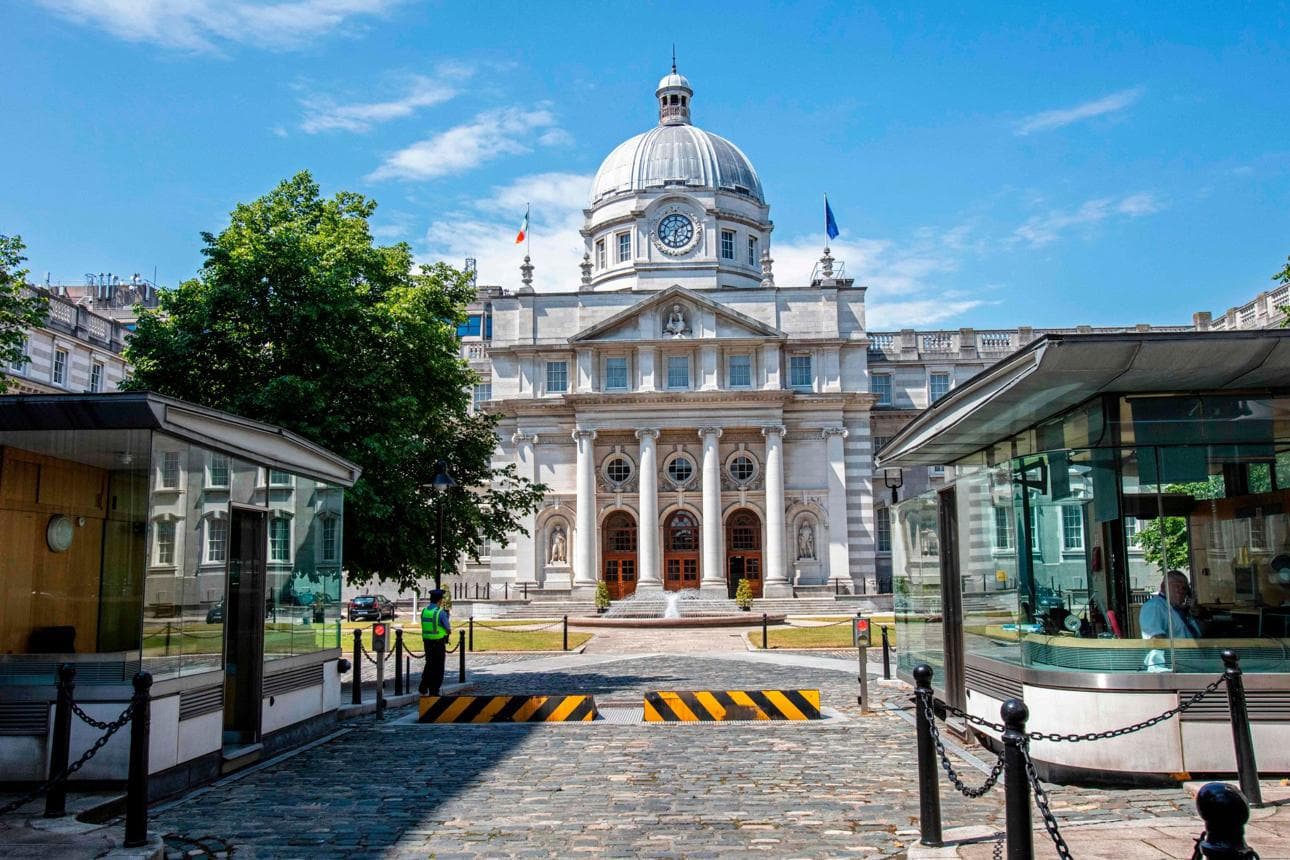
Dublin: Ireland’s investment screening unit started sifting deal notifications only last year, and from 17 January 2028 every other capital in the Union will run a comparable desk whether it wants one or not. The Council signed off on the new Foreign Investment Screening Regulation on 8 June 2026, and the text entered into force on 16 July, replacing a 2019 framework that merely invited governments to look at who was buying.

The old system had an obvious hole. It set up a cooperation mechanism between national authorities, but it never told member states to build a mechanism in the first place. Several never did. An investor who ran into trouble in Berlin or Paris could route the same money through a jurisdiction with no filing duty, no review and no obligation to tell anyone, and the single market carried the consequences.

Regulation 2026/1386 shuts that route. It obliges all twenty-seven governments to maintain a screening mechanism and fixes a common minimum scope that every mechanism must cover, including dual-use goods, semiconductors, artificial intelligence, critical raw materials, financial services, transport, energy and electoral infrastructure. Capitals may go further than the floor. They may no longer sit below it. The Council statement on the updated framework frames the change as minimum harmonisation rather than centralisation.

Brussels also widened the definition of what counts as foreign. The regulation catches indirect investments and reaches EU-registered companies that a non-EU individual or entity ultimately controls. That closes the shell-company gap that national regimes have complained about for years, and it means legal teams will spend more time tracing ownership chains than arguing about the nationality on a company register.

The eighteen-month transition sounds comfortable and is not. National parliaments must legislate. Ministries must hire case handlers who understand both corporate structures and export control lists. Governments that have never screened a transaction will need to publish procedural rules, set deadlines and decide what happens when a buyer ignores them. The full text of Regulation 2026/1386 leaves that institutional design to each capital, which is where the real variation will show up.

The political bargain underneath has not changed. The final decision on any single transaction stays with the member state where the investment lands. The Commission issues opinions, and other capitals may comment, but nobody in Brussels can veto a deal. What the regulation does is make it costlier to brush those opinions aside, because a government that departs from them now has to explain itself in writing.

Industry expects more filings and slower closings. That is the predictable complaint, and it is partly fair, since an investor buying a mid-sized components maker in three countries may soon face three separate authorisations instead of one. The counter-argument from the Commission’s trade and economic security service is that predictable rules beat twenty-seven improvised ones, and that a common scope should eventually shorten the queue rather than lengthen it.

Neither claim can be tested yet. Investment screening only works if the people reading the files know what they are looking at, and that capacity cannot be legislated into existence. The deadline in January 2028 will tell us which governments treated this as a compliance exercise and which treated it as a security function. On present evidence, the gap between those two groups will be wide.