September 19, 2026
LATEST
Small Parcels Get a Handling Fee as Europe’s Customs Reform ClearsManila Must Open Public Contracts Before Europe Signs AnythingEurope’s KIDS Act Would Put Parents Back in Charge of AccountsArmenian Apricots Reach Europe Only Through Narrow Tariff QuotasMyanmar’s Crisis Outgrows the Aid Envelope Europe Built for ItJapan Joins Horizon Europe for the Price of a Rounding ErrorIndia’s Trade Deal Now Waits on the Council and Two ParliamentsBeijing Gets an October Date and a Very Short Deliverables ListJudges Strike Down Estonia’s Deposit for European CandidatesSolidarity Fund Pays for Storms Eight Months After the WaterFreight Tariffs Decide Whether the Middle Corridor Reaches ScaleFolding the Diplomatic Service Into the Commission Needs UnanimityCritical Raw Materials Corporation Tests EU StockpilingHeatwave Plan Tests Europe’s Climate Adaptation GapEuropean Security Council Faces a Missing Legal BaseNature Restoration Plans Arrive With a Year of Haggling AheadPlatform Work Rules Arrive in December With Most States UnreadyDominant Firms Face Europe’s First Rulebook on Exclusionary AbuseInnovation Act Reaches Council With EU Preference Still DisputedSecondary Raw Materials Await an Act That Has Not Been TabledSmall Parcels Get a Handling Fee as Europe’s Customs Reform ClearsManila Must Open Public Contracts Before Europe Signs AnythingEurope’s KIDS Act Would Put Parents Back in Charge of AccountsArmenian Apricots Reach Europe Only Through Narrow Tariff QuotasMyanmar’s Crisis Outgrows the Aid Envelope Europe Built for ItJapan Joins Horizon Europe for the Price of a Rounding ErrorIndia’s Trade Deal Now Waits on the Council and Two ParliamentsBeijing Gets an October Date and a Very Short Deliverables ListJudges Strike Down Estonia’s Deposit for European CandidatesSolidarity Fund Pays for Storms Eight Months After the WaterFreight Tariffs Decide Whether the Middle Corridor Reaches ScaleFolding the Diplomatic Service Into the Commission Needs UnanimityCritical Raw Materials Corporation Tests EU StockpilingHeatwave Plan Tests Europe’s Climate Adaptation GapEuropean Security Council Faces a Missing Legal BaseNature Restoration Plans Arrive With a Year of Haggling AheadPlatform Work Rules Arrive in December With Most States UnreadyDominant Firms Face Europe’s First Rulebook on Exclusionary AbuseInnovation Act Reaches Council With EU Preference Still DisputedSecondary Raw Materials Await an Act That Has Not Been Tabled
September 19, 2026
LATEST
Small Parcels Get a Handling Fee as Europe’s Customs Reform ClearsManila Must Open Public Contracts Before Europe Signs AnythingEurope’s KIDS Act Would Put Parents Back in Charge of AccountsArmenian Apricots Reach Europe Only Through Narrow Tariff QuotasMyanmar’s Crisis Outgrows the Aid Envelope Europe Built for ItJapan Joins Horizon Europe for the Price of a Rounding ErrorIndia’s Trade Deal Now Waits on the Council and Two ParliamentsBeijing Gets an October Date and a Very Short Deliverables ListJudges Strike Down Estonia’s Deposit for European CandidatesSolidarity Fund Pays for Storms Eight Months After the WaterFreight Tariffs Decide Whether the Middle Corridor Reaches ScaleFolding the Diplomatic Service Into the Commission Needs UnanimityCritical Raw Materials Corporation Tests EU StockpilingHeatwave Plan Tests Europe’s Climate Adaptation GapEuropean Security Council Faces a Missing Legal BaseNature Restoration Plans Arrive With a Year of Haggling AheadPlatform Work Rules Arrive in December With Most States UnreadyDominant Firms Face Europe’s First Rulebook on Exclusionary AbuseInnovation Act Reaches Council With EU Preference Still DisputedSecondary Raw Materials Await an Act That Has Not Been TabledSmall Parcels Get a Handling Fee as Europe’s Customs Reform ClearsManila Must Open Public Contracts Before Europe Signs AnythingEurope’s KIDS Act Would Put Parents Back in Charge of AccountsArmenian Apricots Reach Europe Only Through Narrow Tariff QuotasMyanmar’s Crisis Outgrows the Aid Envelope Europe Built for ItJapan Joins Horizon Europe for the Price of a Rounding ErrorIndia’s Trade Deal Now Waits on the Council and Two ParliamentsBeijing Gets an October Date and a Very Short Deliverables ListJudges Strike Down Estonia’s Deposit for European CandidatesSolidarity Fund Pays for Storms Eight Months After the WaterFreight Tariffs Decide Whether the Middle Corridor Reaches ScaleFolding the Diplomatic Service Into the Commission Needs UnanimityCritical Raw Materials Corporation Tests EU StockpilingHeatwave Plan Tests Europe’s Climate Adaptation GapEuropean Security Council Faces a Missing Legal BaseNature Restoration Plans Arrive With a Year of Haggling AheadPlatform Work Rules Arrive in December With Most States UnreadyDominant Firms Face Europe’s First Rulebook on Exclusionary AbuseInnovation Act Reaches Council With EU Preference Still DisputedSecondary Raw Materials Await an Act That Has Not Been Tabled

EU Solidarity Fund Sends 489 Million After Winter Storms

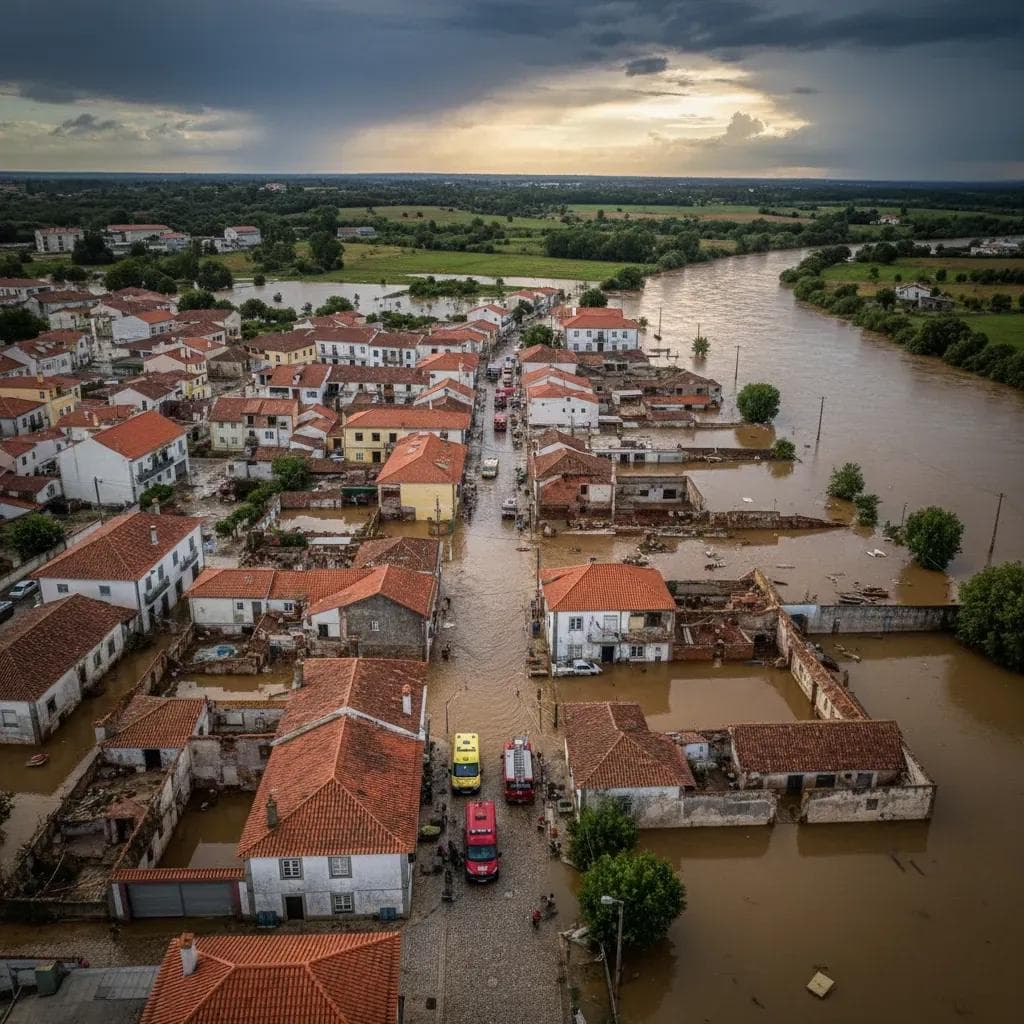
Four governments asked for help after a bad winter, and on 17 September 2026 the Commission answered with money it does not keep in the ordinary budget. The Solidarity Fund proposal puts 489 million euros on the table for Portugal, Spain, Italy and Malta, covering storms and flooding that ran from January into February. The split is uneven because the damage was uneven.

Portugal takes the largest share at 261 million euros, Spain 149 million, Italy 74.8 million and Malta 3.72 million. Portugal also counted 18 deaths alongside the landslides and infrastructure losses, which is the figure that should anchor any reading of these numbers. Storm Harry hit Sicily, Calabria, Sardinia and both Maltese islands in January. A separate run of storms flooded Andalusia and Extremadura and cut power, water and telecommunications for days.

What the Solidarity Fund pays for is narrower than the word solidarity suggests. It reimburses emergency and recovery operations after the fact: restoring energy, water, wastewater, telecommunications and transport links, reopening health and education services, clearing debris, housing displaced households, and securing preventive infrastructure and cultural heritage. It does not compensate private losses, and it does not build anything new. That distinction is often lost in national coverage of the announcement, and it shapes what mayors can actually do with the transfer.

Three of the four capitals had already drawn advances, which is the part of the mechanism that has quietly improved. Portugal received 65.37 million euros, Spain 37.26 million and Malta 931,014 euros while the full assessment ran. Advances exist precisely because the Fund’s normal rhythm is slow, and the Commission has used them more readily since the rules were loosened. Once the advances are netted off, 385.6 million euros remains to be paid.

That balance now depends on the European Parliament and the Council, because the Solidarity Fund sits inside the Solidarity and Emergency Aid Reserve, a special instrument that operates outside the budget’s normal expenditure ceilings. Mobilisation requires both co-legislators to approve. Neither is likely to refuse, but both take time, and the implementing decision for the final payment only follows approval. Municipalities that fronted repair costs in February will carry them into the autumn at least. The Commission proposal is explicit that the sequencing works this way.

The scale question is harder to dodge. Since 2002 the Fund has paid out over 11 billion euros across 150 disaster events in 25 member states and six accession countries, according to the Regional Policy directorate. Averaged out, that is roughly 460 million euros a year for a continent where flooding is now the most commonly funded event. A single bad season can consume a full annual envelope, and 2026 has already seen an earlier mobilisation in May.

Executive Vice-President Raffaele Fitto framed the proposal around solidarity remaining unwavering as disasters grow more frequent. The frequency half of that sentence is doing the heavy lifting. A reserve sized for occasional catastrophe now meets something closer to an annual expectation, and the instrument was never redesigned for that rhythm.

There is a second structural gap worth naming. The Fund reimburses recovery, while adaptation spending sits elsewhere, mostly in cohesion programmes that member states negotiate years in advance. A region rebuilt to the same specification after a January flood is a candidate for the same claim after the next one. Nothing in the 489 million euros pushes against that, and nothing in the current rules asks it to.

The next test arrives with the post-2027 budget talks, where the reserve’s size and its relationship to cohesion funding are both open. Until then, the Solidarity Fund will keep doing what it does well, which is arriving reliably and late, in amounts that repair the road without changing the reason it washed out.