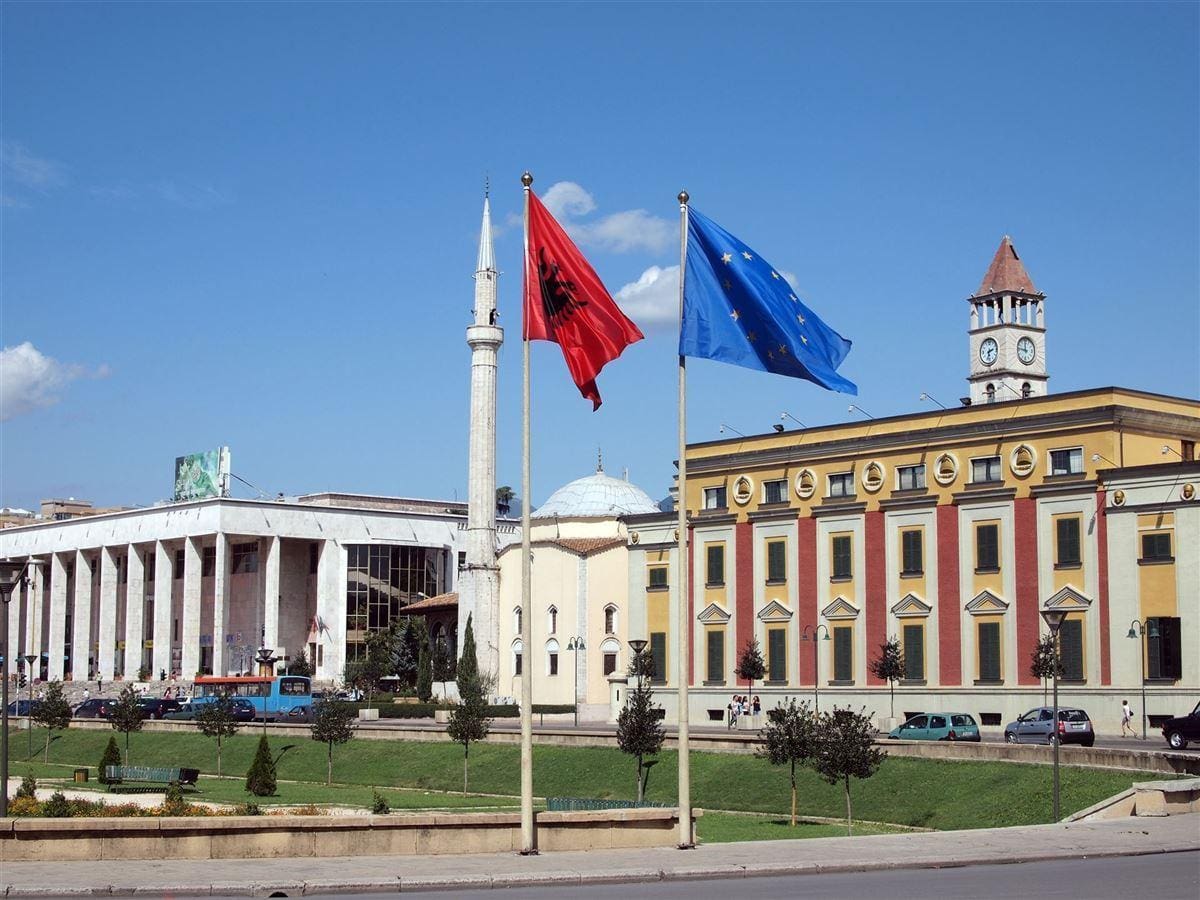
Budapest: The Hungary conditionality mechanism ended on 13 October 2026, when the Council of the EU lifted the rule of law measure it imposed on the country in 2022. The decision unfreezes €4.2 billion in cohesion funding and lets Hungary rejoin the Erasmus+ exchange programme and the Horizon Europe research initiative. Commission President Ursula von der Leyen wrote on social media that a new chapter starts today, for Hungary and for Europe.
The Council acted under the Rule of Law Conditionality Regulation, which the Commission triggered against Budapest in December 2022 over corruption risks and weak control of EU money. Under the Hungary conditionality mechanism, the procedure gives the Commission one month to assess evidence that the concerns have been remedied, and the Council then has one month to decide by qualified majority. Hungary was the first member state to face the measure, and it stayed in place for almost four years under former prime minister Viktor Orbán.
Political change in Budapest made the reversal possible. The Tisza Party, led by Péter Magyar, won a landslide election and formed a government that adopted anti-corruption and transparency measures. In May, Magyar and von der Leyen agreed a framework under which a total of €16.4 billion would be released in exchange for reforms and investment plans. In late August, Hungary told the Commission that it had met all the conditions for the funds.
The money will not arrive in a single block, and the end of the Hungary conditionality mechanism does not settle every dispute. The €4.2 billion tied to the Rule of Law Conditionality Regulation is only one part of a larger package, and a separate €2.2 billion remains linked to academic freedom. The Commission told MEPs in July that 21 universities must implement the Public Interest Trust reform by the end of October 2026, which makes that deadline the next test of the agreement.
Recovery money adds another layer to the story of the Hungary conditionality mechanism. Hungary is applying for about €10 billion from the EU’s post-pandemic recovery funds, and the Commission is still assessing whether the requirements have been met. If the assessment is positive, Budapest could access the funds by the end of the year, following approval in the autumn. The recovery facility payment deadline of 31 December 2026 leaves little room for delay.
The decision matters beyond Hungary. The Council has shown that the rule of law instrument can be switched off as well as on, and that a government which delivers verifiable reforms regains its funding. Critics will ask whether the Commission checked the judicial and procurement reforms thoroughly enough before the vote, while supporters will point to the clear sequence of assessment and decision that the regulation requires.
Hungarian students and researchers feel the change first, because Erasmus+ and Horizon Europe participation returns to them. Municipalities and regional authorities wait for the cohesion payments that the Hungary conditionality mechanism had blocked, and the Commission will keep monitoring milestones as the money flows. How the remaining academic freedom and recovery conditions are settled will show whether the end of the Hungary conditionality mechanism marks a lasting reform or only a pause in a long dispute.