Canberra: Eight years is a long time to spend negotiating a trade agreement, and the deal that the European Union and Australia finally signed on 24 March 2026 will not be felt in any port or processing plant for years yet. Formal ratification is not expected before late 2026 at the earliest, and the European Parliament has a habit of taking another two years after that to give its assent. What matters now is less the tariff schedule than what the agreement signals about how Brussels intends to secure the raw materials its industries cannot live without.
The headline figures are modest. The deal is valued at roughly A$10 billion, and the agricultural concessions that delayed it for so long are tightly drawn. The EU will open beef quotas totalling about 30,600 tonnes, just over half of it duty-free and conditional on grass-fed production, phased in across a decade. Sheep meat gets a 25,000-tonne duty-free quota over seven years, again reserved for animals not raised in feedlots. These are not the volumes that once made Canberra walk away from the table in 2023. European farm lobbies, already nervous about the parallel Mercosur arrangement, extracted a settlement that protects them more than it rewards Australian graziers.
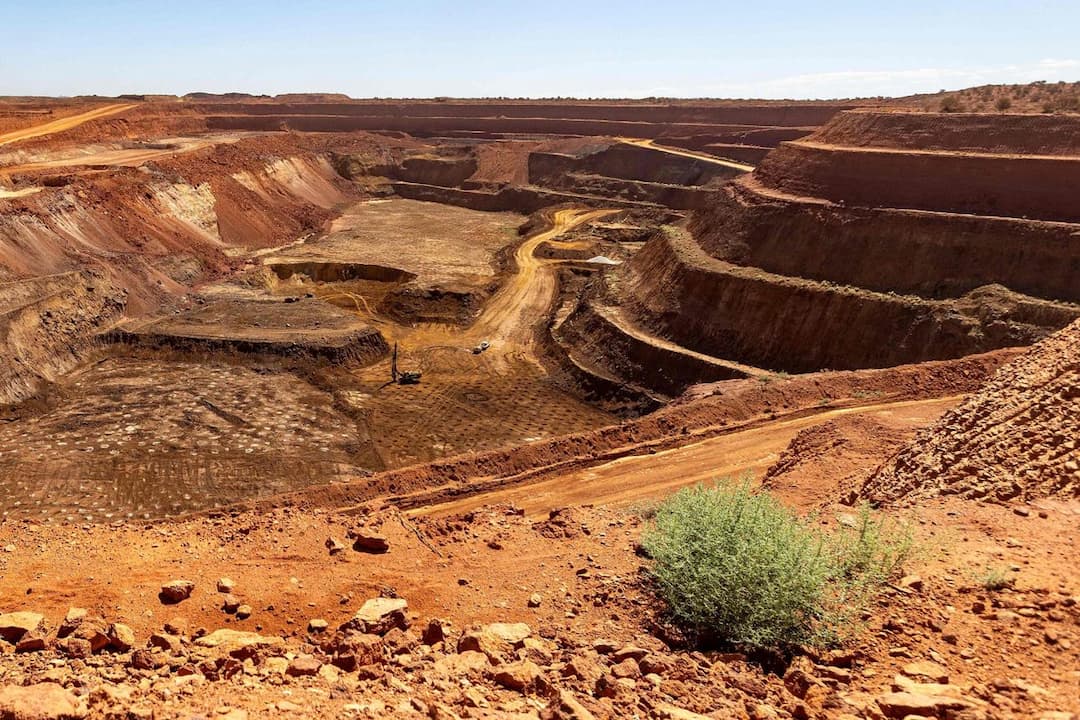
The real prize sits underground. Australia has committed to tariff-free access for lithium, antimony, tungsten and rare earths, alongside an upgrade to the 2024 strategic partnership on sustainable critical minerals. For a European economy that has watched China tighten export licensing on the very inputs that feed its battery, defence and semiconductor ambitions, a reliable democratic supplier in the southern hemisphere is worth more than its dollar value suggests.
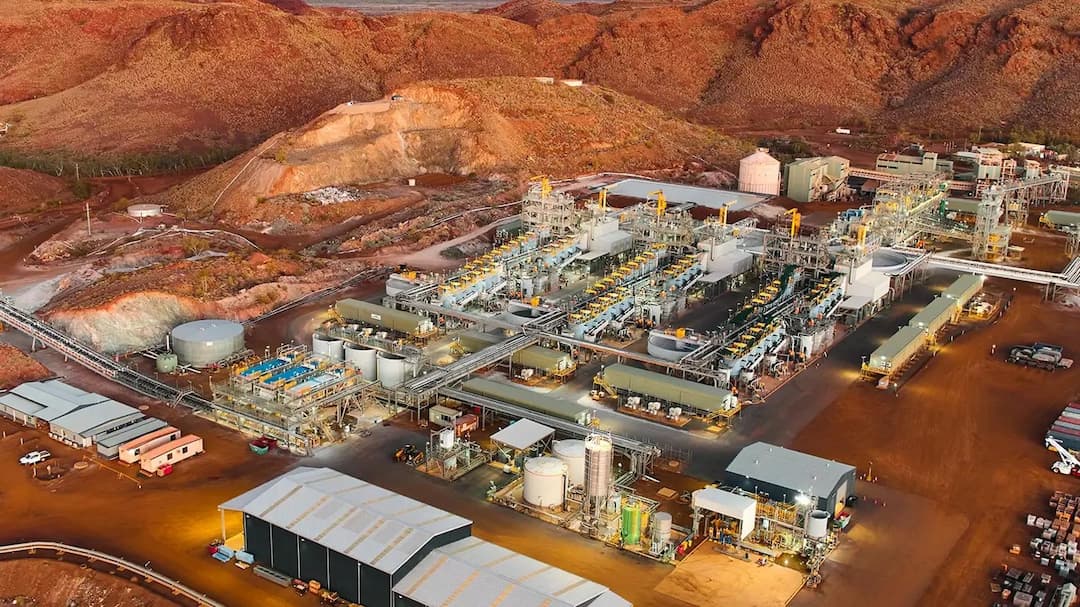
It would be a mistake, though, to read the agreement as an escape from dependence. Australia digs the ore; it does not, for the most part, refine it. A large share of Australian lithium and rare earth concentrate still travels to Chinese facilities for processing before it reaches a European factory floor. Tariff-free access to raw Australian output does little to change that intermediate step. Building refining and separation capacity outside China is a question of capital, permits and patience, not of trade clauses, and neither Canberra nor Brussels has yet shown it can move at the speed the problem demands.
This is why Ursula von der Leyen framed the signing around collective resilience rather than commercial gain, warning that great powers now treat tariffs as leverage and supply chains as vulnerabilities. The language is aimed as much at Washington as at Beijing. A European Union absorbing American tariff pressure and Chinese mineral leverage at the same time has every reason to lock in a partner that threatens neither.
The agreement should therefore be judged on what follows the signature. If it merely guarantees cheaper access to unprocessed Australian rock, Europe will have swapped one dependence for a slightly more comfortable version of the same. If it becomes the spine of joint investment in downstream processing, shared standards and predictable demand, it could mark the moment Europe stopped talking about economic security and began paying for it. The long game has begun; the harder part is staying in it.