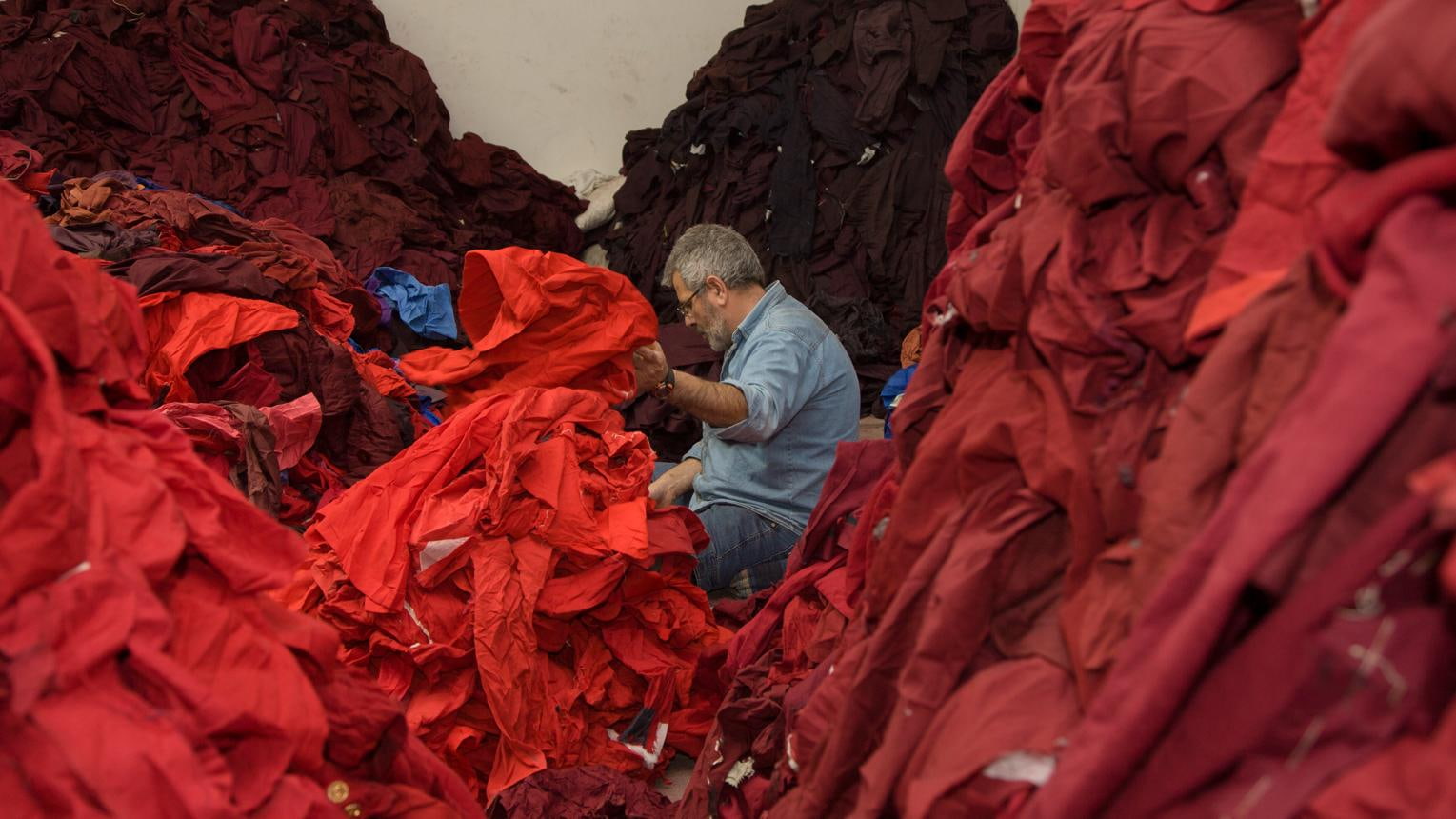
Prato: In the hills of Tuscany, the city of Prato has spent the better part of two centuries built around a single industrial fact: that wool, once spun and woven, does not have to die when a garment is discarded. Its mills have long specialised in turning rags and offcuts back into yarn, a craft that predates the word “recycling” by generations. That history is about to become unexpectedly relevant to the rest of Europe, as two new EU rules — a ban on destroying unsold consumer goods and the introduction of a digital product passport — both take effect on 19 July 2026.
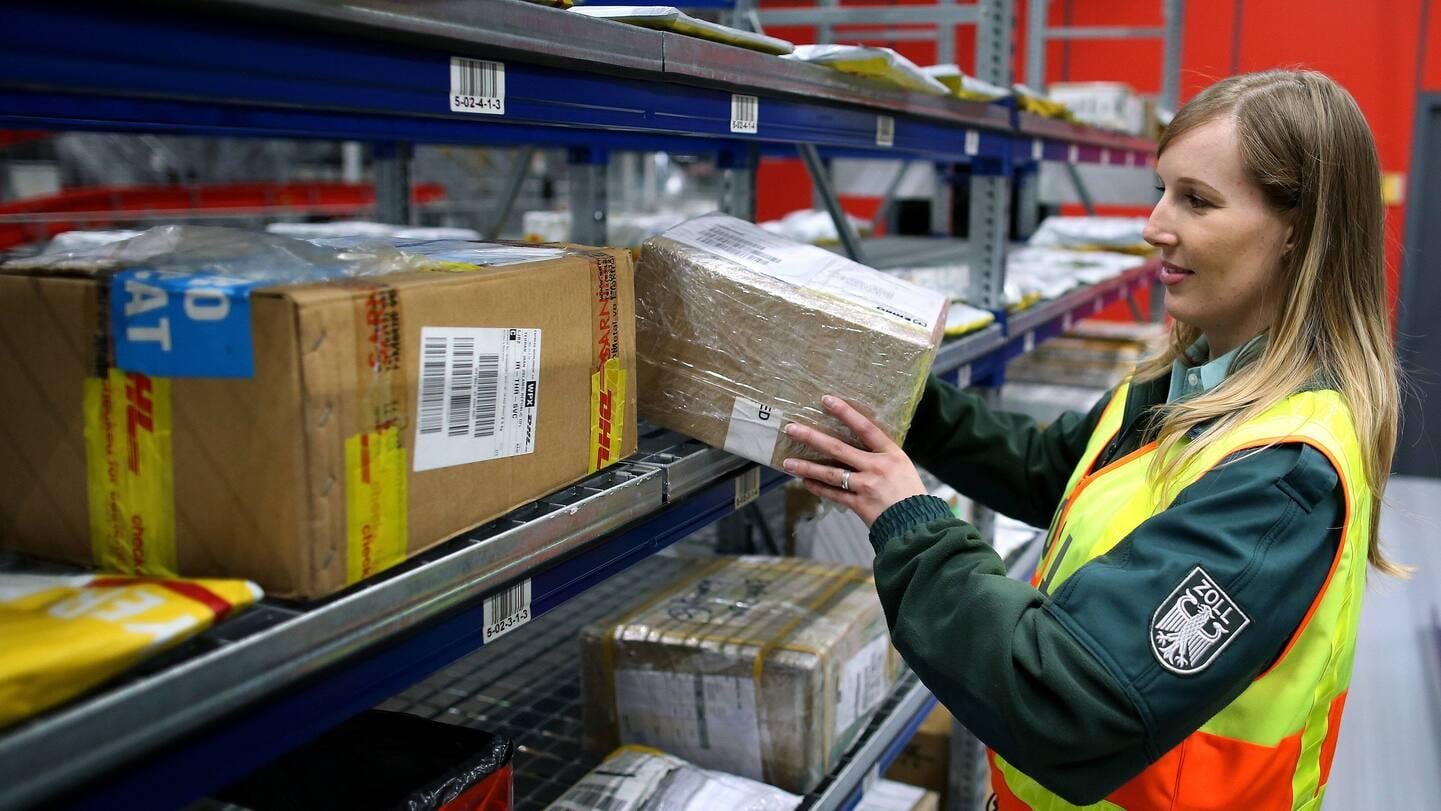
The destruction ban targets a practice that has quietly persisted across the fashion and footwear industries for years: unsold stock, often in perfectly good condition, sent to incineration or landfill rather than discounted, donated, or recycled, because disposal was cheaper than the logistics of finding it a second life. Large companies will now be required to report what happens to returned and unsold products, and to stop routine destruction of textiles and footwear outright. Smaller firms have a transition period, but the direction of travel is unambiguous.
The digital product passport is the quieter but arguably more consequential of the two measures. From mid-July, products within scope will need to carry a machine-readable record of their composition, origin, and recyclability — information that, in theory, allows a garment to be sorted and processed correctly at the end of its life rather than simply binned as “mixed textile waste.” For an industry built on blended fibres, dyes, and trims that are notoriously difficult to separate, this is the regulatory equivalent of asking every product to come with its own instruction manual for disassembly.
For Prato’s mechanical recyclers, the practical effect could be significant. Mechanical recycling — shredding fabric back into fibre — works best with clean, single-material inputs. A flood of polyester-cotton blends with no composition data has long been the industry’s biggest headache, forcing sorters to either guess or downcycle material into lower-value applications like insulation and wiping cloths. A passport system that actually identifies fibre content at scale could, if it works as intended, route more material toward higher-value recycling rather than away from it.
The timing is not coincidental. The Commission has signalled that a broader Circular Economy Act, expected to be proposed in the third quarter of 2026 following a call for evidence launched last year, will build on exactly this kind of groundwork — aiming to double the EU’s overall circularity rate by 2030 and reduce the bloc’s dependence on imported raw materials by keeping more value in domestic recycling loops. The European Economic and Social Committee is due to adopt its own exploratory opinion on the framework this month, ahead of the formal proposal.
None of this guarantees success. Digital product passports depend on supply chains that are notoriously opaque actually generating and sharing accurate data, and a destruction ban is only as good as the alternatives — resale, donation, recycling — that exist to absorb the goods that would otherwise have been scrapped. Prato’s mills have demonstrated for two centuries that there is a viable industrial model for turning old textiles into new yarn. The question the next eighteen months will answer is whether the rest of the European textile economy can be persuaded, or compelled, to feed it.