August 9, 2026
LATEST
New EU Gas Market Rules Take Effect With Consumer SafeguardsDeforestation Regulation Holds Its December Deadline Despite CutsDigital Omnibus Delays Europe’s High-Risk AI Deadline to 2027Europe’s Schools Confront a Widening Basic Skills GapRule of Law Report Finds Progress but Trust Still LagsIRIS2 Gains 66 Satellites as Brussels Signs the Rollout DealNature Restoration Plans Come Due as Member States Race a DeadlineECB Rates Hold at 2.25 Percent as Frankfurt Waits on the DataEU Budget Talks Turn to Cohesion as Ireland Takes OverWildfire Response Stretches Europe’s Emergency Fleet ThinCan Europe’s Quantum Plan Match Its Big Ambitions?Armenia Edges West as Moscow’s Grip Slips AwayEurope Inherits the World’s Aid Bill It Cannot Fully PayAir Passenger Rights Get Their First Overhaul in Two DecadesErasmus Opens a 5 Billion Euro Round for Skills and MobilityCeuta Crisis Pushes the EU Toward Faster Migrant ReturnsBulky Parcels Face a Packaging Crackdown From August 12Can Europe Build Its Drone Wall Before 2030 Arrives?Indonesia’s Trade Deal With Europe Nears Its Final SignatureEurope Leans on Beijing to Keep Climate Talks Alive Before AntalyaNew EU Gas Market Rules Take Effect With Consumer SafeguardsDeforestation Regulation Holds Its December Deadline Despite CutsDigital Omnibus Delays Europe’s High-Risk AI Deadline to 2027Europe’s Schools Confront a Widening Basic Skills GapRule of Law Report Finds Progress but Trust Still LagsIRIS2 Gains 66 Satellites as Brussels Signs the Rollout DealNature Restoration Plans Come Due as Member States Race a DeadlineECB Rates Hold at 2.25 Percent as Frankfurt Waits on the DataEU Budget Talks Turn to Cohesion as Ireland Takes OverWildfire Response Stretches Europe’s Emergency Fleet ThinCan Europe’s Quantum Plan Match Its Big Ambitions?Armenia Edges West as Moscow’s Grip Slips AwayEurope Inherits the World’s Aid Bill It Cannot Fully PayAir Passenger Rights Get Their First Overhaul in Two DecadesErasmus Opens a 5 Billion Euro Round for Skills and MobilityCeuta Crisis Pushes the EU Toward Faster Migrant ReturnsBulky Parcels Face a Packaging Crackdown From August 12Can Europe Build Its Drone Wall Before 2030 Arrives?Indonesia’s Trade Deal With Europe Nears Its Final SignatureEurope Leans on Beijing to Keep Climate Talks Alive Before Antalya
August 9, 2026
LATEST
New EU Gas Market Rules Take Effect With Consumer SafeguardsDeforestation Regulation Holds Its December Deadline Despite CutsDigital Omnibus Delays Europe’s High-Risk AI Deadline to 2027Europe’s Schools Confront a Widening Basic Skills GapRule of Law Report Finds Progress but Trust Still LagsIRIS2 Gains 66 Satellites as Brussels Signs the Rollout DealNature Restoration Plans Come Due as Member States Race a DeadlineECB Rates Hold at 2.25 Percent as Frankfurt Waits on the DataEU Budget Talks Turn to Cohesion as Ireland Takes OverWildfire Response Stretches Europe’s Emergency Fleet ThinCan Europe’s Quantum Plan Match Its Big Ambitions?Armenia Edges West as Moscow’s Grip Slips AwayEurope Inherits the World’s Aid Bill It Cannot Fully PayAir Passenger Rights Get Their First Overhaul in Two DecadesErasmus Opens a 5 Billion Euro Round for Skills and MobilityCeuta Crisis Pushes the EU Toward Faster Migrant ReturnsBulky Parcels Face a Packaging Crackdown From August 12Can Europe Build Its Drone Wall Before 2030 Arrives?Indonesia’s Trade Deal With Europe Nears Its Final SignatureEurope Leans on Beijing to Keep Climate Talks Alive Before AntalyaNew EU Gas Market Rules Take Effect With Consumer SafeguardsDeforestation Regulation Holds Its December Deadline Despite CutsDigital Omnibus Delays Europe’s High-Risk AI Deadline to 2027Europe’s Schools Confront a Widening Basic Skills GapRule of Law Report Finds Progress but Trust Still LagsIRIS2 Gains 66 Satellites as Brussels Signs the Rollout DealNature Restoration Plans Come Due as Member States Race a DeadlineECB Rates Hold at 2.25 Percent as Frankfurt Waits on the DataEU Budget Talks Turn to Cohesion as Ireland Takes OverWildfire Response Stretches Europe’s Emergency Fleet ThinCan Europe’s Quantum Plan Match Its Big Ambitions?Armenia Edges West as Moscow’s Grip Slips AwayEurope Inherits the World’s Aid Bill It Cannot Fully PayAir Passenger Rights Get Their First Overhaul in Two DecadesErasmus Opens a 5 Billion Euro Round for Skills and MobilityCeuta Crisis Pushes the EU Toward Faster Migrant ReturnsBulky Parcels Face a Packaging Crackdown From August 12Can Europe Build Its Drone Wall Before 2030 Arrives?Indonesia’s Trade Deal With Europe Nears Its Final SignatureEurope Leans on Beijing to Keep Climate Talks Alive Before Antalya

Cheap Parcels Lose Their Tax-Free Ride Into The Single Market

Lille: In the northern French city chosen to host the Union’s future customs authority, officials are preparing for a change that will touch almost every doorstep in Europe. From 1 July, the bloc applies a fixed customs duty of three euros on small parcels valued below 150 euros entering from outside its borders, the vast majority of them low-cost goods ordered through e-commerce platforms. It is the first concrete instalment of a customs overhaul that ranks as the most far-reaching since the customs union was founded in 1968.

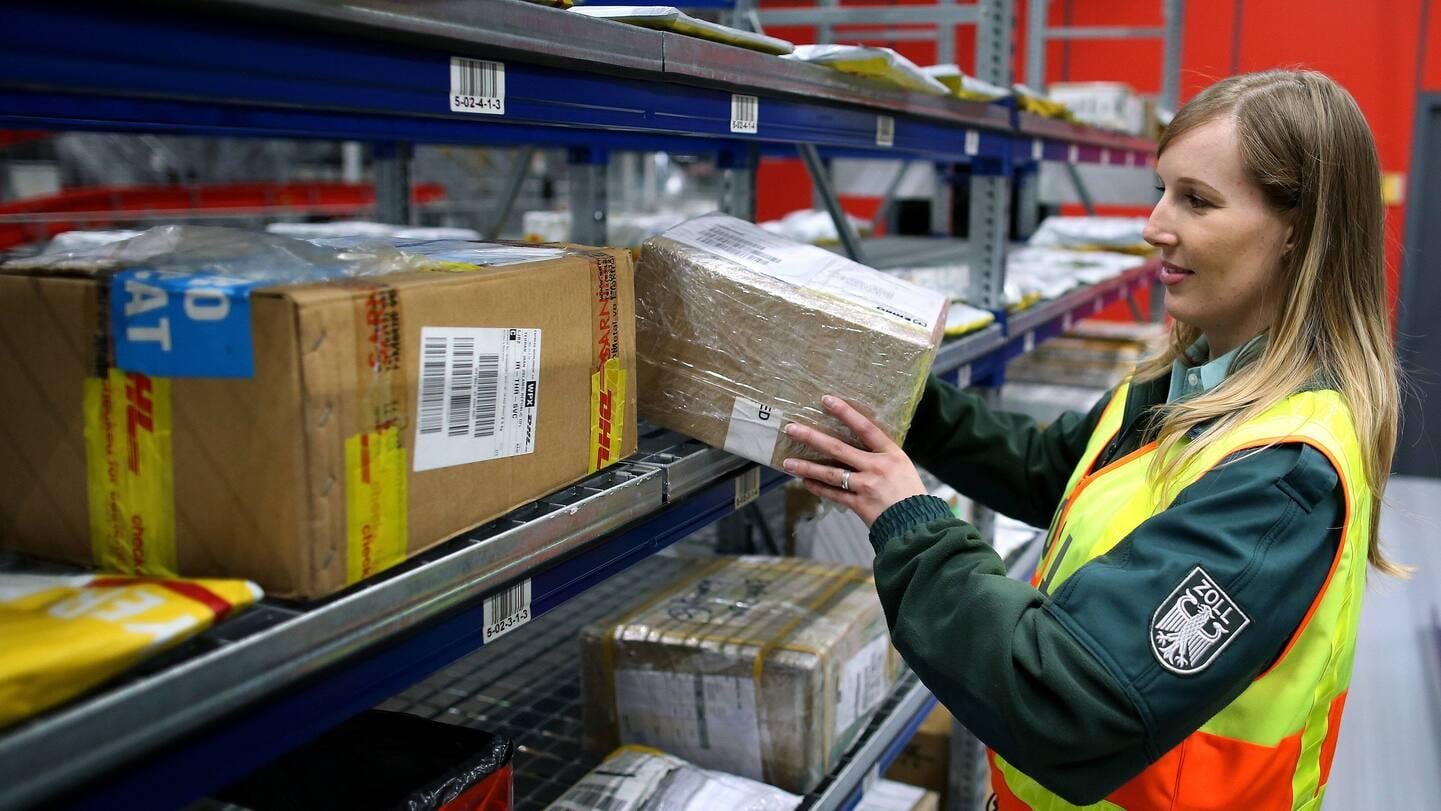
The logic is partly fiscal and partly about fairness. For years, an exemption allowed shipments under 150 euros to enter duty-free, a threshold designed for an era of occasional gifts rather than billions of individually addressed packages. The volume has since exploded, with online marketplaces routing enormous quantities of inexpensive items directly to consumers, often undervalued on their paperwork and sometimes failing the safety standards that European retailers must meet. A flat charge per parcel is a blunt instrument, but it begins to close the gap between a warehouse in Europe and a fulfilment centre on the other side of the world.

Behind the headline figure lies a much larger architecture. In March, the Council and the European Parliament reached agreement on a reform that creates a new EU Customs Authority, to be based in Lille with a few hundred staff, and a central EU Customs Data Hub that will eventually become the single environment through which customs information flows. Rather than processing declarations port by port, authorities will draw on shared, real-time data to assess risk, target inspections and cooperate across borders. The data hub is set to open for e-commerce goods in 2028, with a phased rollout extending to all categories of goods by the middle of the next decade.

The reform reframes the job of customs from counting declarations to reading data. A new Trust and Check trader status will let reliable companies move goods with lighter intervention, while scrutiny concentrates on the consignments and operators that present genuine risk. For legitimate businesses that have struggled with twenty-seven national systems and inconsistent enforcement, the promise of a single interface and common rules is overdue. For the platforms that have built their model on frictionless, untaxed micro-imports, the direction of travel is unmistakably less comfortable.

Not everyone is satisfied with the pace. Consumer groups worry that the three-euro charge will simply be passed on to shoppers, while some member states argue the broader system arrives too slowly to address the flood of parcels already overwhelming postal and customs services. Retail associations counter that the change does not go far enough to level a playing field tilted for years against firms that play by the rules. What is clear is that the long era of the duty-free trinket is ending. The parcel that once slipped across the border untouched will, from July, carry a small but symbolic price, and a much bigger reform is following close behind it.