The energy taxation directive is gone. On 4 November 2026 the European Commission confirmed, in its 2027 work programme, that it is withdrawing the proposal to overhaul how the Union taxes energy products and electricity, a file that had sat with national governments for more than five years. The decision is one of 18 withdrawals announced alongside a promise to keep simplifying EU law through 2027.
The Commission gave a blunt reason. Tax legislation needs unanimity in the Council, and after five years of talks the institution judged that the proposal had no realistic chance of winning the support of all 27 governments. Presented in July 2021 as part of the Fit for 55 climate package, the text would have taxed fuels by energy content and environmental performance rather than by volume, and it would have trimmed long-standing exemptions. Member states never agreed on that design.
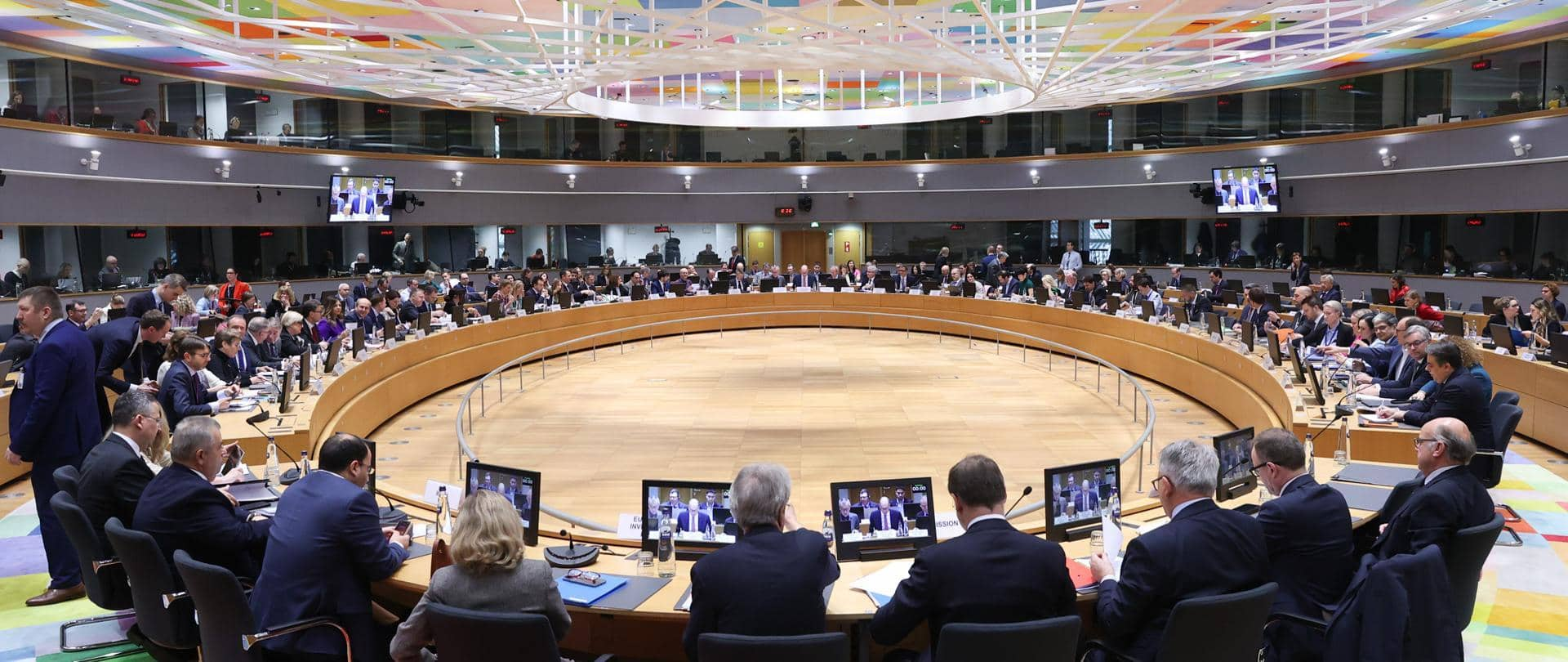
The timing is awkward. Energy prices remain high across the bloc, and finance ministers began talks on 9 October 2026 about taxing the windfall profits of energy companies. Withdrawing the energy taxation directive removes the one legislative vehicle that could have coordinated minimum tax rates across fuels and electricity, just as governments look for fiscal tools to cushion households. Ministers now have to approach the question through national budgets or narrower, ad hoc measures.
Supporters of the withdrawal argue that a dead file does more harm than a clean slate. Parked proposals tie up Council working groups, create uncertainty for investors in electrification, and leave legal drafting that ages badly as technology moves. Critics reply that the climate logic behind the energy taxation directive has not changed. Fuel taxes still reward fossil energy in several member states, and the 2003 framework that the proposal meant to replace predates modern renewables, heat pumps and electric vehicles.
The same work programme drops a second tax file. The directive on a significant digital presence, proposed in 2018 to let countries tax large digital firms where their users sit, had waited in the Council for over eight years. The Commission again cited the unanimity rule and the low odds of consensus. Together, the two withdrawals show how hard it is to move EU tax policy when a single capital can block it.
What replaces them is unclear. The Commission said it will push further omnibus simplification packages in 2027, including a pact against gold-plating, the practice of adding national requirements on top of EU rules. It did not announce a successor to the energy taxation directive. That leaves two realistic paths: a slimmed-down text that tackles only a few fuels, or a shift towards enhanced cooperation among willing countries, which the Treaties allow when unanimity fails.
For businesses and households, the practical message is stability without direction. Existing national energy taxes stay in force under the 2003 rules, and no common minimum rates are coming soon. Without an energy taxation directive, anyone planning investment in clean fuels, charging networks or electrified heating should assume that tax signals will keep differing from one capital to the next through 2027 and probably beyond.
The withdrawal of the energy taxation directive therefore closes a chapter rather than answering a question. Energy tax reform now depends on whether ministers can agree on narrower tools in 2026 and 2027, and on whether the Commission is willing to reopen the fight under a different name. Until then, the Union’s energy tax rulebook remains a 2003 text applied to a 2026 energy system.