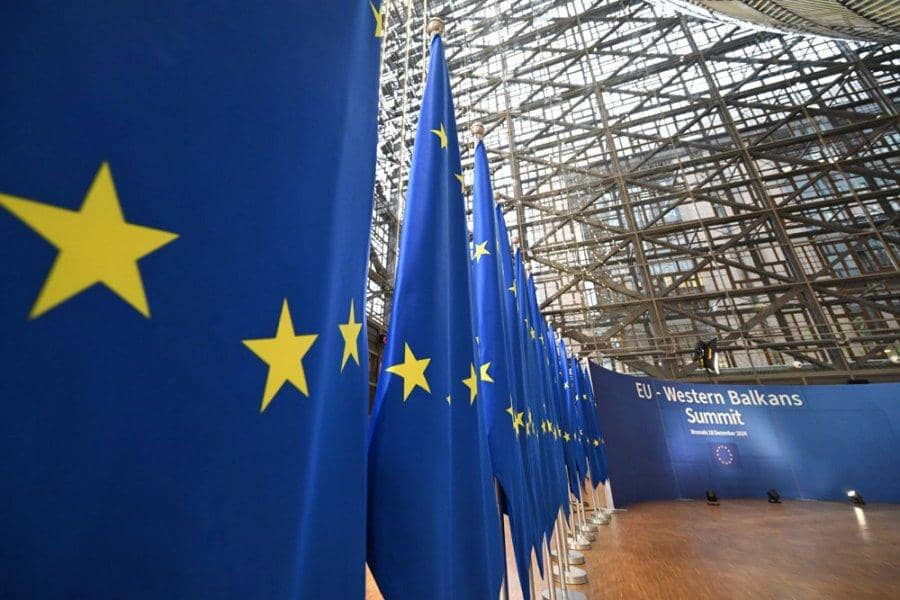
Brussels: The European Commission’s new West and Central Africa aid package of €235 million, reported on 23 April 2026, targets people hit by violence, displacement and hunger across a belt of fragile states. Hadja Lahbib, the Commissioner for Equality, Preparedness and Crisis Management, described a convergence of conflict, poverty, hunger, instability and climate shocks, and called humanitarian assistance a lifeline for millions.
The money is spread unevenly. According to BusinessDay, the Central Sahel receives €75 million, Chad more than €72 million, Nigeria €33 million, the Central African Republic €22 million and Cameroon more than €16.6 million. Mauritania gets €4.8 million, coastal West African countries over €6 million and regional programmes €6.4 million. The reported figures add up to slightly more than the headline, so the West and Central Africa aid breakdown should be checked against the Commission’s own release.
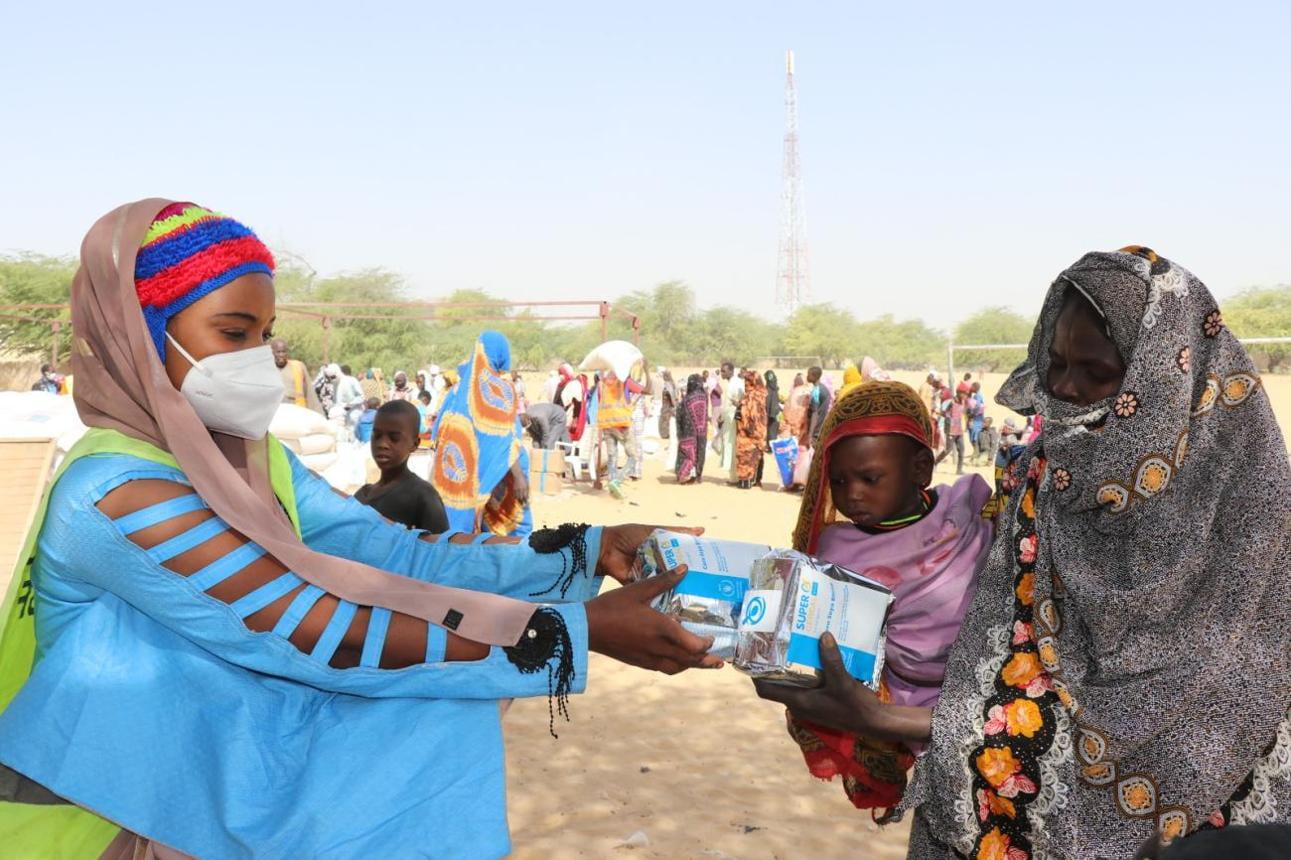
The package pays for food, healthcare, clean water, shelter and education for children affected by crises. It prioritises refugees, displaced people, host communities and populations in hard-to-reach areas. Chad stands out because the Sudan crisis is pushing refugees into the east of the country, where fragile services were already stretched, and Lahbib cited a recent visit there.
Context explains the geography. The Central Sahel and Lake Chad Basin are described as centres of instability, with violence spilling into coastal states. Insecurity continues in northern Nigeria, Cameroon’s North-West and South-West regions remain volatile, and the Central African Republic stays unstable despite intermittent peace efforts. The West and Central Africa aid package is therefore a response to overlapping emergencies, not a single crisis.
Several gaps limit what readers can conclude. The source gives no count of people in need beyond millions of vulnerable people, and it does not say how the package compares with earlier years or with cuts by other donors. Aid groups warn that without sustained international support, millions could face worse food shortages, which suggests that a one-off West and Central Africa aid announcement cannot close the gap alone.
Three things will show whether the money works. Agencies need fast access to hard-to-reach areas, funds need to reach Chad and the Sahel before the lean season, and the Commission should publish results by country. If delivery is quick, the West and Central Africa aid package will protect lives at a moment of high need; if access or funding falls short, the West and Central Africa aid pledge will remain a headline figure.