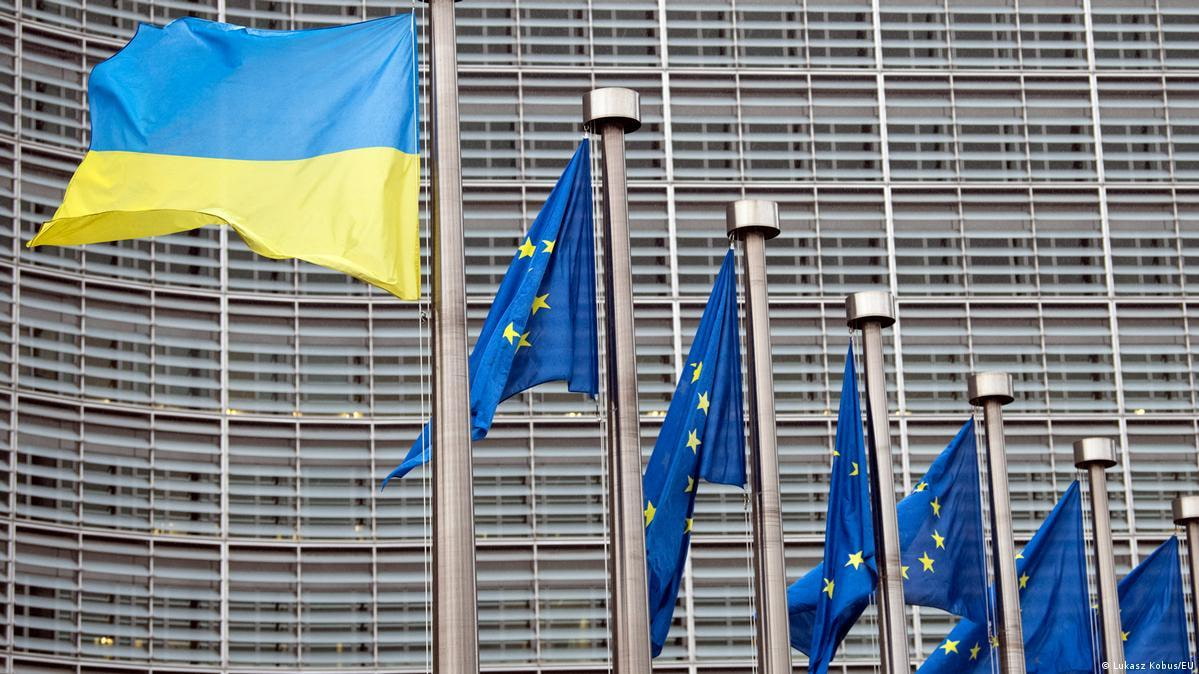
Brussels: The Ukraine accession roadmap in the Commission’s 2026 enlargement package sets out reform steps toward membership but names no accession date, Enlargement Commissioner Marta Kos has made clear. Interfax-Ukraine reported on 4 November that the annual report does not specify a date for Ukraine’s entry, as the package reached the public.
The Commission announced in October that the package would contain indicative roadmaps for Montenegro, Albania, Moldova and Ukraine, “provided they maintain reform momentum,” according to Interfax-Ukraine. It also promised a coherent approach to gradual integration, including a mapping of strategic areas where candidates can join EU policies before they become members.
That conditional wording matters. The Ukraine accession roadmap links progress to delivery, so each step depends on reforms rather than on a calendar, and Kyiv cannot treat any milestone as automatic. Kos framed the moment with the line that “the autumn of enlargement is coming,” which the European Policy Centre quotes in its preview of the package.
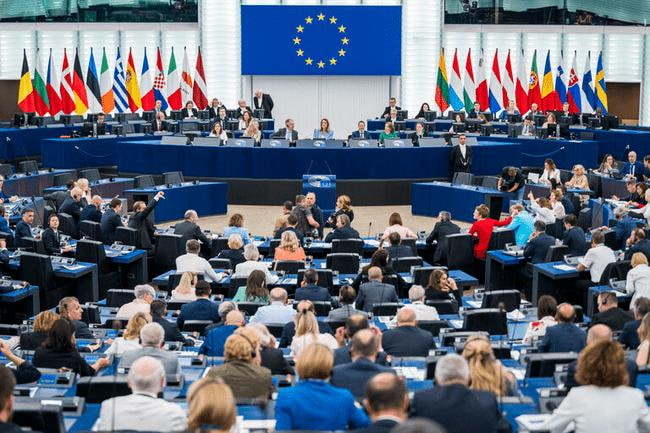
Ukraine applied for membership in February 2022, received candidate status in June 2022 and opened accession talks in June 2024. Since then the bottleneck has been political rather than technical. Opening each negotiating cluster needs unanimity among the 27 member states, and Interfax-Ukraine reported in July that Hungary refused to approve the screening results for the second and third clusters for Ukraine and Moldova.
The gradual integration idea tries to work around that bottleneck, and the Ukraine accession roadmap is the first test of it. If candidates can access parts of the single market, programmes and policy dialogues earlier, they gain tangible benefits while the formal talks continue. The EPC asks the sharper question: how concrete will the roadmaps be, and will member states match the reforms expected of candidates with commitments of their own?
The Commission will explain its findings in public soon. Gert Jan Koopman, the Director-General for Enlargement and the Eastern Neighbourhood, is due to present the package at an EPC briefing in Brussels on 6 November. The EU Enlargement Forum follows on 15 and 16 November, giving governments, candidates and civil society a public stage to react. Kos has described enlargement as possible and in the EU’s interest, but she has also said that open issues still need to be resolved before talks can accelerate.
Three signals will show whether the Ukraine accession roadmap changes the pace. The first is whether member states endorse the roadmaps in Council conclusions. The second is whether Hungary lifts its objections to the remaining clusters. The third is whether Kyiv turns roadmap milestones into adopted laws in 2027. Until those pieces move, the Ukraine accession roadmap remains a map without a date.