Berlin: The chancellery has begun framing its position on the post-2027 Multiannual Financial Framework around a single proposition that internal papers describe as the competitiveness anchor. The German federal government wants the next seven-year budget to consolidate fragmented programmes into a smaller number of strategic envelopes, with the proposed European Competitiveness Fund as the centre of gravity. The political signal from Berlin is that net contributions can rise modestly if the spending architecture demonstrably moves resources toward industrial policy, defence-related research and clean technology deployment, rather than continuing to spread money across hundreds of legacy programmes.
The Commission’s proposal for the 2028 to 2034 MFF is expected in July, with the headline figure under intense negotiation inside the Berlaymont. Two competing logics have shaped the drafting. The first is the single fund logic, which would merge Horizon Europe, the Digital Europe Programme, the Innovation Fund elements outside the Emissions Trading System, parts of the Connecting Europe Facility and the strategic technologies envelope into one instrument with a single rulebook. The second is the differentiated programme logic, which would preserve the existing research, digital and connectivity programmes but route significant additional money through a new competitiveness pillar layered on top. Berlin has expressed a preference for the single fund logic on simplification grounds, although the German research community has been vocal in defence of Horizon Europe’s distinctive identity.
The own resources side of the negotiation is moving in parallel and the German position has shifted since the previous mandate. The federal coalition has accepted in principle that a new statistical own resource based on company profits could fund part of the next MFF, alongside the existing GNI-based contribution and the customs duties stream. Berlin has also indicated it will not block the proposal to channel a share of the Emissions Trading System auctioning revenue into the EU budget, provided that the formula does not penalise member states with higher industrial emissions. The Carbon Border Adjustment Mechanism revenue stream is less politically sensitive in the German debate, partly because the volumes will not become significant before 2030.
Cohesion and agriculture remain the two largest pillars of the current MFF and the German position has been more measured here. The federal Ministry of Finance has signalled openness to merging cohesion and the Common Agricultural Policy into national or regional partnership plans, with disbursement conditioned on country-specific reform commitments along the lines of the Recovery and Resilience Facility model. That approach would shift cohesion away from the project-by-project regional administration that the Länder governments have defended and toward a more centralised national delivery framework. The Länder are not yet aligned with the federal position on this point.
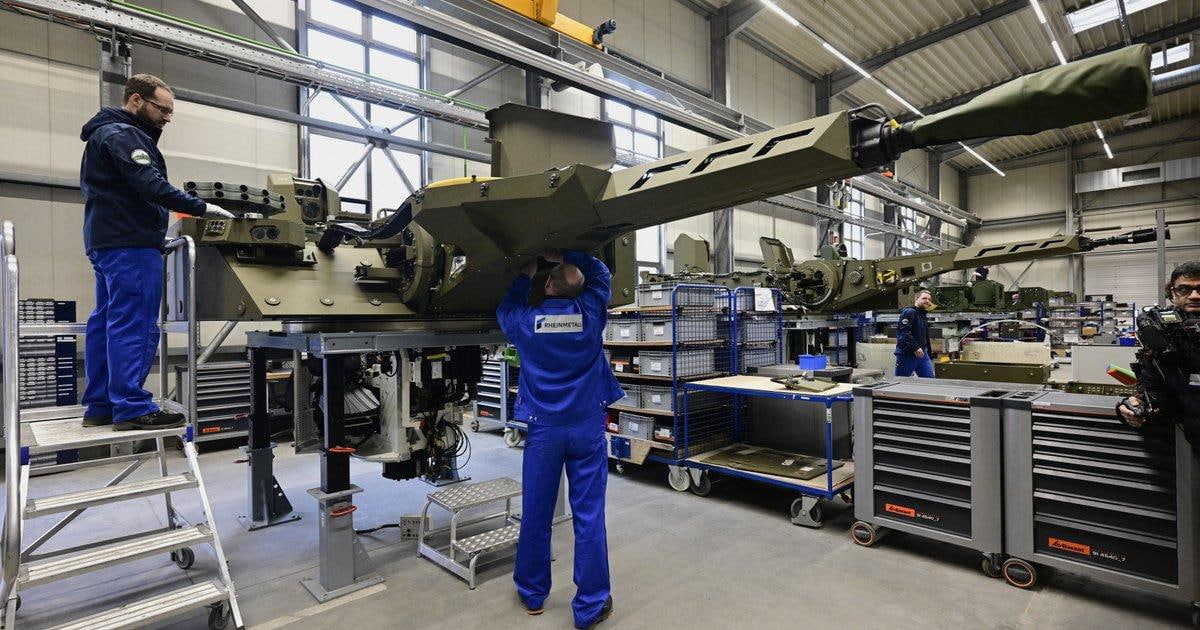
Defence and security spending is the area where Berlin has moved most quickly. The chancellery’s position paper accepts that the next MFF should contain a defence industrial readiness envelope that goes well beyond the European Defence Fund. The political question is whether to fund this through new own resources, through reduced cohesion allocations, or through additional borrowing along the SAFE model. The federal coalition has not landed publicly on any of the three options.
The negotiating window opens in earnest after the Commission proposal lands in July. The Cypriot presidency takes the file from January 2027, and the Danish presidency in the second half will likely be the closer. German negotiators have framed the timeline as workable, although the absence of an Irish or Polish presidency during the critical phase removes the usual pro-cohesion ballast from Council dynamics.