August 9, 2026
LATEST
New EU Gas Market Rules Take Effect With Consumer SafeguardsDeforestation Regulation Holds Its December Deadline Despite CutsDigital Omnibus Delays Europe’s High-Risk AI Deadline to 2027Europe’s Schools Confront a Widening Basic Skills GapRule of Law Report Finds Progress but Trust Still LagsIRIS2 Gains 66 Satellites as Brussels Signs the Rollout DealNature Restoration Plans Come Due as Member States Race a DeadlineECB Rates Hold at 2.25 Percent as Frankfurt Waits on the DataEU Budget Talks Turn to Cohesion as Ireland Takes OverWildfire Response Stretches Europe’s Emergency Fleet ThinCan Europe’s Quantum Plan Match Its Big Ambitions?Armenia Edges West as Moscow’s Grip Slips AwayEurope Inherits the World’s Aid Bill It Cannot Fully PayAir Passenger Rights Get Their First Overhaul in Two DecadesErasmus Opens a 5 Billion Euro Round for Skills and MobilityCeuta Crisis Pushes the EU Toward Faster Migrant ReturnsBulky Parcels Face a Packaging Crackdown From August 12Can Europe Build Its Drone Wall Before 2030 Arrives?Indonesia’s Trade Deal With Europe Nears Its Final SignatureEurope Leans on Beijing to Keep Climate Talks Alive Before AntalyaNew EU Gas Market Rules Take Effect With Consumer SafeguardsDeforestation Regulation Holds Its December Deadline Despite CutsDigital Omnibus Delays Europe’s High-Risk AI Deadline to 2027Europe’s Schools Confront a Widening Basic Skills GapRule of Law Report Finds Progress but Trust Still LagsIRIS2 Gains 66 Satellites as Brussels Signs the Rollout DealNature Restoration Plans Come Due as Member States Race a DeadlineECB Rates Hold at 2.25 Percent as Frankfurt Waits on the DataEU Budget Talks Turn to Cohesion as Ireland Takes OverWildfire Response Stretches Europe’s Emergency Fleet ThinCan Europe’s Quantum Plan Match Its Big Ambitions?Armenia Edges West as Moscow’s Grip Slips AwayEurope Inherits the World’s Aid Bill It Cannot Fully PayAir Passenger Rights Get Their First Overhaul in Two DecadesErasmus Opens a 5 Billion Euro Round for Skills and MobilityCeuta Crisis Pushes the EU Toward Faster Migrant ReturnsBulky Parcels Face a Packaging Crackdown From August 12Can Europe Build Its Drone Wall Before 2030 Arrives?Indonesia’s Trade Deal With Europe Nears Its Final SignatureEurope Leans on Beijing to Keep Climate Talks Alive Before Antalya
August 9, 2026
LATEST
New EU Gas Market Rules Take Effect With Consumer SafeguardsDeforestation Regulation Holds Its December Deadline Despite CutsDigital Omnibus Delays Europe’s High-Risk AI Deadline to 2027Europe’s Schools Confront a Widening Basic Skills GapRule of Law Report Finds Progress but Trust Still LagsIRIS2 Gains 66 Satellites as Brussels Signs the Rollout DealNature Restoration Plans Come Due as Member States Race a DeadlineECB Rates Hold at 2.25 Percent as Frankfurt Waits on the DataEU Budget Talks Turn to Cohesion as Ireland Takes OverWildfire Response Stretches Europe’s Emergency Fleet ThinCan Europe’s Quantum Plan Match Its Big Ambitions?Armenia Edges West as Moscow’s Grip Slips AwayEurope Inherits the World’s Aid Bill It Cannot Fully PayAir Passenger Rights Get Their First Overhaul in Two DecadesErasmus Opens a 5 Billion Euro Round for Skills and MobilityCeuta Crisis Pushes the EU Toward Faster Migrant ReturnsBulky Parcels Face a Packaging Crackdown From August 12Can Europe Build Its Drone Wall Before 2030 Arrives?Indonesia’s Trade Deal With Europe Nears Its Final SignatureEurope Leans on Beijing to Keep Climate Talks Alive Before AntalyaNew EU Gas Market Rules Take Effect With Consumer SafeguardsDeforestation Regulation Holds Its December Deadline Despite CutsDigital Omnibus Delays Europe’s High-Risk AI Deadline to 2027Europe’s Schools Confront a Widening Basic Skills GapRule of Law Report Finds Progress but Trust Still LagsIRIS2 Gains 66 Satellites as Brussels Signs the Rollout DealNature Restoration Plans Come Due as Member States Race a DeadlineECB Rates Hold at 2.25 Percent as Frankfurt Waits on the DataEU Budget Talks Turn to Cohesion as Ireland Takes OverWildfire Response Stretches Europe’s Emergency Fleet ThinCan Europe’s Quantum Plan Match Its Big Ambitions?Armenia Edges West as Moscow’s Grip Slips AwayEurope Inherits the World’s Aid Bill It Cannot Fully PayAir Passenger Rights Get Their First Overhaul in Two DecadesErasmus Opens a 5 Billion Euro Round for Skills and MobilityCeuta Crisis Pushes the EU Toward Faster Migrant ReturnsBulky Parcels Face a Packaging Crackdown From August 12Can Europe Build Its Drone Wall Before 2030 Arrives?Indonesia’s Trade Deal With Europe Nears Its Final SignatureEurope Leans on Beijing to Keep Climate Talks Alive Before Antalya

Defence Industry Programme Draws 83 Bids In First Call

Brussels: The European Commission received 83 proposals under the first call of the European Defence Industry Programme (EDIP), the EU’s new defence-industrial fund, after the call closed on 16 June 2026, the Directorate-General for Defence Industry and Space confirmed on 17 June 2026. The bids, lodged by companies from 23 member states and Norway, compete for more than €165 million to expand European production of the energetic components used in missiles, bombs and anti-drone systems.

A strong first response to the EDIP call

The Commission called the turnout proof of the European Defence Industry Programme’s relevance and of the bloc’s readiness to move quickly on rearmament. Officials said the 83 submissions covered firms across almost the entire Union, signalling broad industrial buy-in for the first competitive tranche of EDIP money.

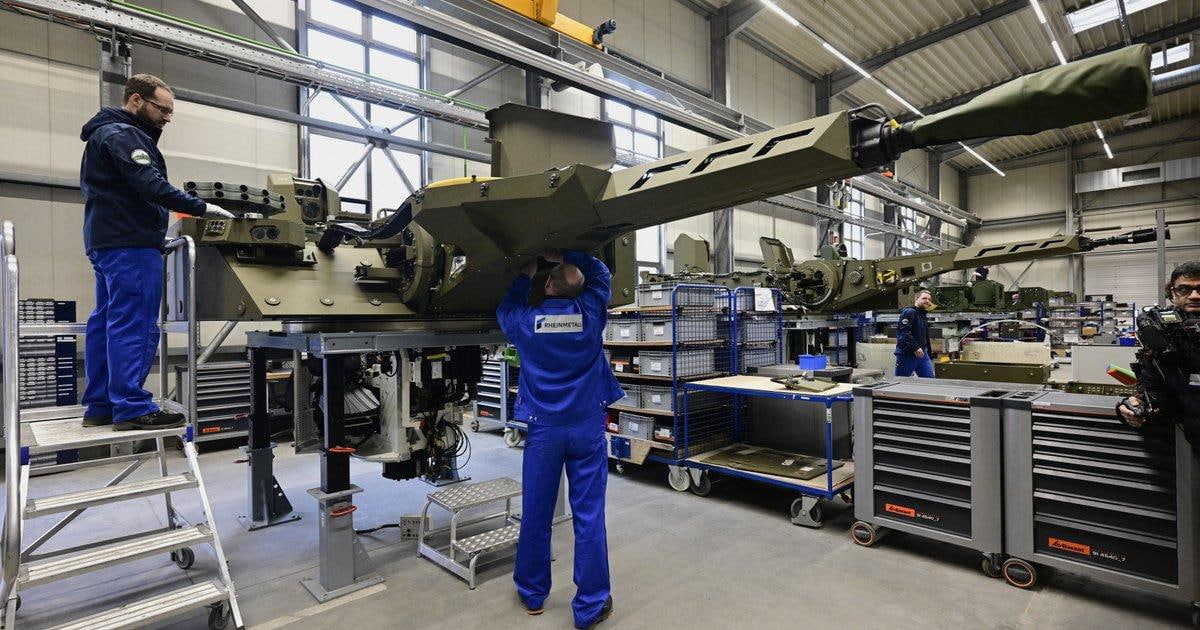
The inaugural call focused on energetic components — the propellant powders and explosives that European armies have struggled to source since demand surged. Brussels has warned for two years that ammunition output lagged behind the pace of deliveries to Ukraine and the needs of member states’ own stockpiles.

What the energetic components call funds

The call offers grants to scale up manufacturing capacity for critical inputs, with co-financing from industry expected to multiply the public contribution. Key figures released by the Commission include:

  • Over €165 million in EU grants for propellant powder, explosives and other energetic components.
  • A total investment of up to €470 million once company co-financing is counted.
  • 83 proposals from firms in 23 EU member states and Norway.
  • Evaluation under way, with the strongest projects to be selected by September 2026.

Official statements

The Directorate-General for Defence Industry and Space, overseen politically by Defence Commissioner Andrius Kubilius, framed the response as evidence that the EU can match industrial action to strategic urgency.

The 83 proposals demonstrate “both the relevance of EDIP for the European defence industry as well as Europe’s ability to act at the speed of relevance,” the Commission said in its statement on the first EDIP call results.

What happens next

Commission services will now assess the bids on technical merit and supply-chain impact, naming the successful projects by September 2026. Grant agreements would follow, releasing money to ramp up production lines that can take months to come online.

Background: how the EU built EDIP

The European Defence Industry Programme is a €1.5 billion initiative running from 2025 to 2027, conceived to bridge the gap between emergency wartime instruments and a permanent EU defence-industrial policy. It builds on earlier schemes such as the European Defence Fund and the SAFE loan facility, and forms part of the Commission’s wider Readiness 2030 push to rearm the continent.

EDIP also carries a dedicated Ukraine Support Instrument worth €300 million to rebuild and modernise Kyiv’s defence-technological base. Beyond energetic components, the programme is expected to fund joint procurement of air and missile defence, counter-drone and naval systems, anchoring the European Defence Industry Programme as a recurring pillar of EU security policy. Further detail is set out on the Commission’s EDIP information page.