Brussels: The European Commission used its annual rule of law report to hand Hungary unusually warm words on Friday, crediting the country’s new government with an early and far-reaching turnaround. The verdict marks a striking shift for a member state that spent years at the centre of the bloc’s rule of law disputes.
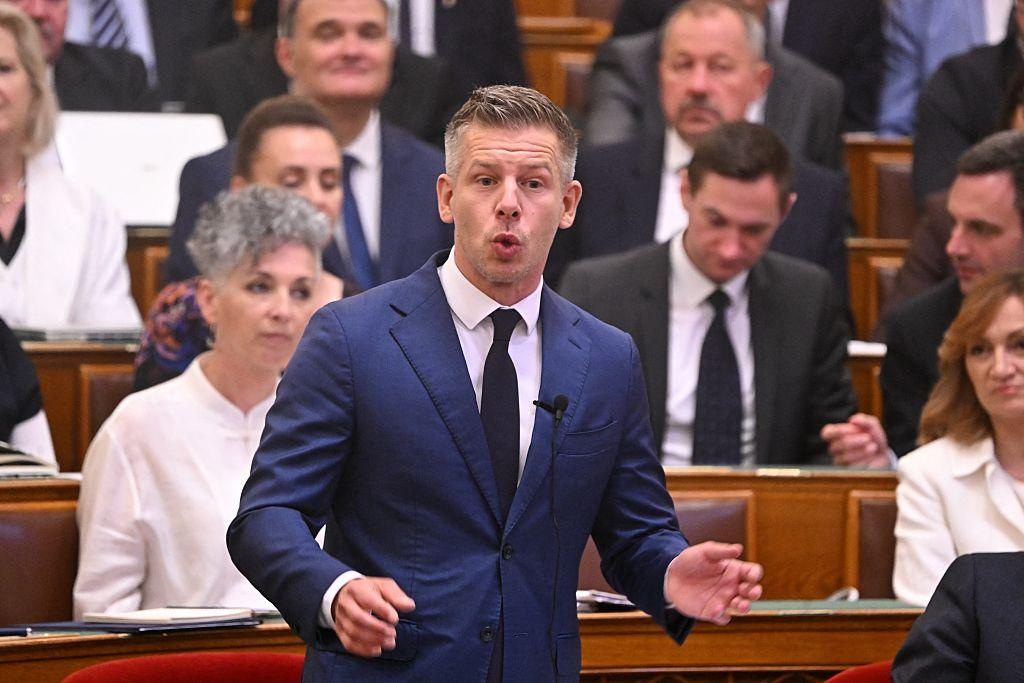
Published on 17 July 2026, the report describes Hungary’s reform effort as intense and, given how little time has passed since the change of government, impressive. Prime Minister Peter Magyar took office roughly two months earlier, and the Commission credits his administration with moving quickly to unwind the machinery that had drawn Brussels’ criticism under his predecessor. The full assessment sits in the Commission’s 2026 rule of law report.
Two decisions stand out. Hungary agreed to join the European Public Prosecutor’s Office, the body that investigates fraud against the EU budget across member states, reversing a long-held refusal. The government also dismantled the Sovereignty Protection Office, an agency critics had cast as a tool to intimidate independent voices, and the Commission welcomed its abolition.
The report also flags progress on anti-corruption measures, tighter asset declarations for officials and the work of the Integrity Authority. Taken together, the Commission argues, the steps begin to rebuild guardrails that had eroded, and they help explain why Budapest’s chapter reads so differently this year than in the recent past.
Praise did not mean a clean bill of health. The Commission said significant shortcomings remain in Hungary’s justice system and urged the government to make case allocation in lower courts more transparent, a technical fix with real consequences for judicial independence. It also warned that obstacles still hamper civil society organisations and pressed Budapest to clear them away.
Hungary sits inside a wider picture. The 2026 report grades all 27 member states against a common set of benchmarks covering justice systems, anti-corruption safeguards, media freedom and institutional checks and balances. This year’s edition points to marked but uneven improvements across central and eastern Europe, alongside persistent weak spots that the Commission wants governments to address.
The stakes reach well beyond a report card. Rule of law findings feed into decisions on EU funds, and the European Parliament has repeatedly pushed the Commission to tie money more tightly to democratic standards. A credible Hungarian turnaround could ease years of tension over frozen cohesion cash, while any backsliding would revive it. For now, the Commission has chosen to reward momentum, betting that praise paired with pointed recommendations will keep the reforms moving.