August 9, 2026
LATEST
New EU Gas Market Rules Take Effect With Consumer SafeguardsDeforestation Regulation Holds Its December Deadline Despite CutsDigital Omnibus Delays Europe’s High-Risk AI Deadline to 2027Europe’s Schools Confront a Widening Basic Skills GapRule of Law Report Finds Progress but Trust Still LagsIRIS2 Gains 66 Satellites as Brussels Signs the Rollout DealNature Restoration Plans Come Due as Member States Race a DeadlineECB Rates Hold at 2.25 Percent as Frankfurt Waits on the DataEU Budget Talks Turn to Cohesion as Ireland Takes OverWildfire Response Stretches Europe’s Emergency Fleet ThinCan Europe’s Quantum Plan Match Its Big Ambitions?Armenia Edges West as Moscow’s Grip Slips AwayEurope Inherits the World’s Aid Bill It Cannot Fully PayAir Passenger Rights Get Their First Overhaul in Two DecadesErasmus Opens a 5 Billion Euro Round for Skills and MobilityCeuta Crisis Pushes the EU Toward Faster Migrant ReturnsBulky Parcels Face a Packaging Crackdown From August 12Can Europe Build Its Drone Wall Before 2030 Arrives?Indonesia’s Trade Deal With Europe Nears Its Final SignatureEurope Leans on Beijing to Keep Climate Talks Alive Before AntalyaNew EU Gas Market Rules Take Effect With Consumer SafeguardsDeforestation Regulation Holds Its December Deadline Despite CutsDigital Omnibus Delays Europe’s High-Risk AI Deadline to 2027Europe’s Schools Confront a Widening Basic Skills GapRule of Law Report Finds Progress but Trust Still LagsIRIS2 Gains 66 Satellites as Brussels Signs the Rollout DealNature Restoration Plans Come Due as Member States Race a DeadlineECB Rates Hold at 2.25 Percent as Frankfurt Waits on the DataEU Budget Talks Turn to Cohesion as Ireland Takes OverWildfire Response Stretches Europe’s Emergency Fleet ThinCan Europe’s Quantum Plan Match Its Big Ambitions?Armenia Edges West as Moscow’s Grip Slips AwayEurope Inherits the World’s Aid Bill It Cannot Fully PayAir Passenger Rights Get Their First Overhaul in Two DecadesErasmus Opens a 5 Billion Euro Round for Skills and MobilityCeuta Crisis Pushes the EU Toward Faster Migrant ReturnsBulky Parcels Face a Packaging Crackdown From August 12Can Europe Build Its Drone Wall Before 2030 Arrives?Indonesia’s Trade Deal With Europe Nears Its Final SignatureEurope Leans on Beijing to Keep Climate Talks Alive Before Antalya
August 9, 2026
LATEST
New EU Gas Market Rules Take Effect With Consumer SafeguardsDeforestation Regulation Holds Its December Deadline Despite CutsDigital Omnibus Delays Europe’s High-Risk AI Deadline to 2027Europe’s Schools Confront a Widening Basic Skills GapRule of Law Report Finds Progress but Trust Still LagsIRIS2 Gains 66 Satellites as Brussels Signs the Rollout DealNature Restoration Plans Come Due as Member States Race a DeadlineECB Rates Hold at 2.25 Percent as Frankfurt Waits on the DataEU Budget Talks Turn to Cohesion as Ireland Takes OverWildfire Response Stretches Europe’s Emergency Fleet ThinCan Europe’s Quantum Plan Match Its Big Ambitions?Armenia Edges West as Moscow’s Grip Slips AwayEurope Inherits the World’s Aid Bill It Cannot Fully PayAir Passenger Rights Get Their First Overhaul in Two DecadesErasmus Opens a 5 Billion Euro Round for Skills and MobilityCeuta Crisis Pushes the EU Toward Faster Migrant ReturnsBulky Parcels Face a Packaging Crackdown From August 12Can Europe Build Its Drone Wall Before 2030 Arrives?Indonesia’s Trade Deal With Europe Nears Its Final SignatureEurope Leans on Beijing to Keep Climate Talks Alive Before AntalyaNew EU Gas Market Rules Take Effect With Consumer SafeguardsDeforestation Regulation Holds Its December Deadline Despite CutsDigital Omnibus Delays Europe’s High-Risk AI Deadline to 2027Europe’s Schools Confront a Widening Basic Skills GapRule of Law Report Finds Progress but Trust Still LagsIRIS2 Gains 66 Satellites as Brussels Signs the Rollout DealNature Restoration Plans Come Due as Member States Race a DeadlineECB Rates Hold at 2.25 Percent as Frankfurt Waits on the DataEU Budget Talks Turn to Cohesion as Ireland Takes OverWildfire Response Stretches Europe’s Emergency Fleet ThinCan Europe’s Quantum Plan Match Its Big Ambitions?Armenia Edges West as Moscow’s Grip Slips AwayEurope Inherits the World’s Aid Bill It Cannot Fully PayAir Passenger Rights Get Their First Overhaul in Two DecadesErasmus Opens a 5 Billion Euro Round for Skills and MobilityCeuta Crisis Pushes the EU Toward Faster Migrant ReturnsBulky Parcels Face a Packaging Crackdown From August 12Can Europe Build Its Drone Wall Before 2030 Arrives?Indonesia’s Trade Deal With Europe Nears Its Final SignatureEurope Leans on Beijing to Keep Climate Talks Alive Before Antalya

Member States Race a September Deadline on Nature Restoration

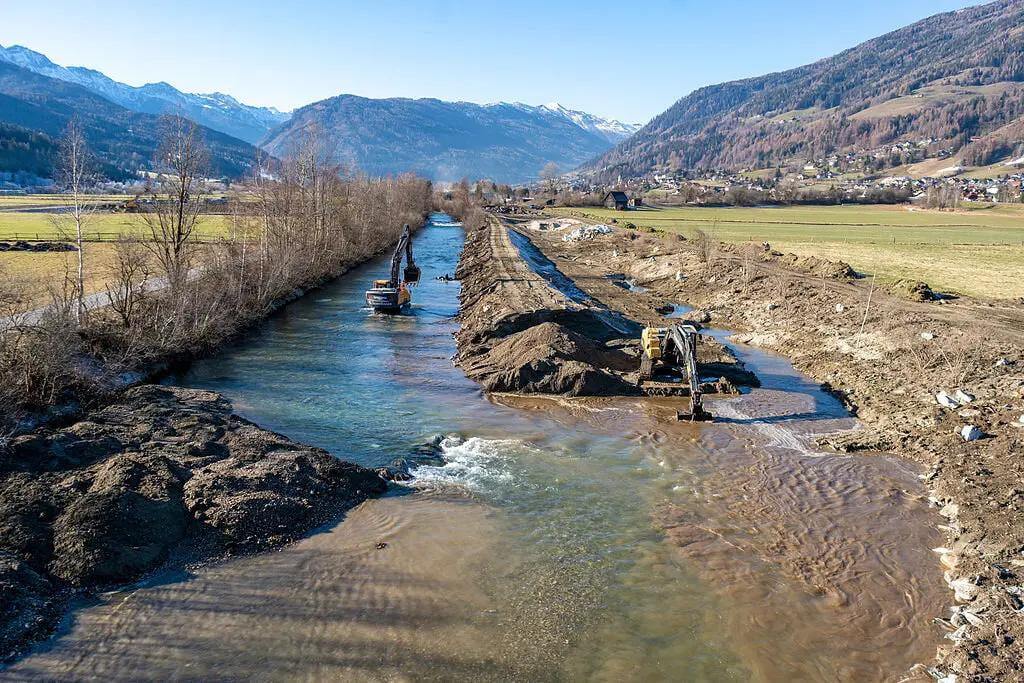
Brussels: Member States must deliver their first national restoration plans under the EU’s nature restoration rules by 1 September 2026, and with the deadline weeks away the Commission is pressing capitals to turn binding targets into concrete measures. The nature restoration deadline is the first big test of a law that reaches into farming, forestry, fisheries and cities across the bloc.

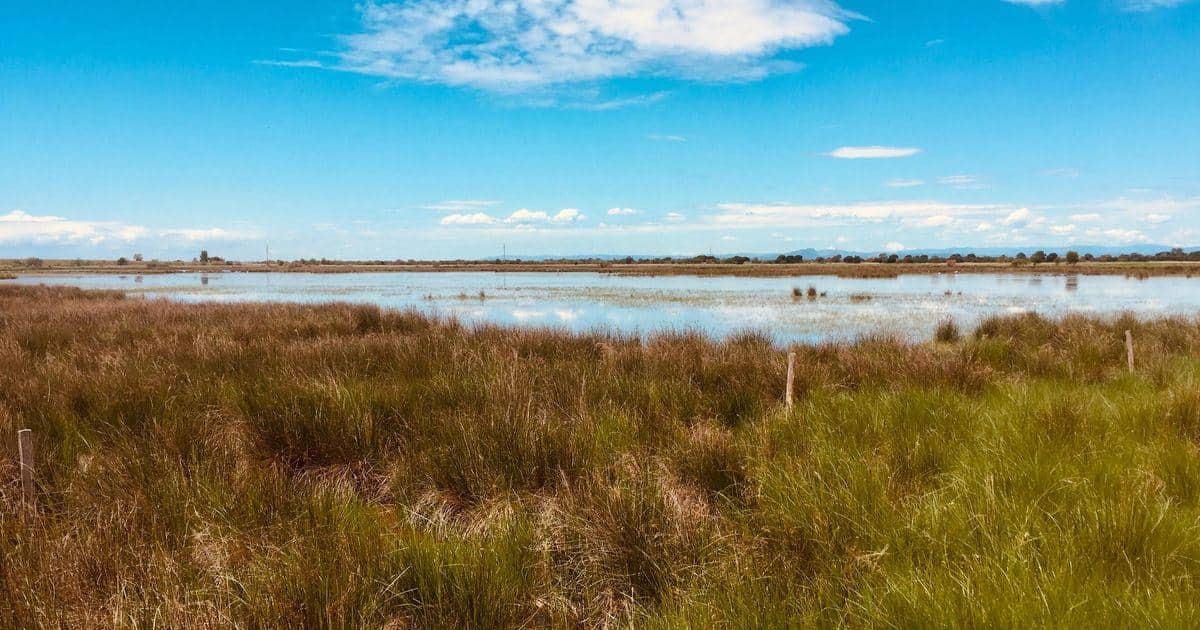
The Nature Restoration Regulation entered into force in August 2024 after one of the most contested legislative fights of the last mandate. It requires the EU to put restoration measures in place on at least 20 percent of the Union’s land and sea areas by 2030, and to extend nature restoration to all ecosystems that need it by 2050.

The national plans are the engine of the law. Each government must map the areas it intends to restore, list the measures it will take, set timelines and, crucially, explain how it will pay for the work. Plans also have to connect restoration to related policies on biodiversity, agriculture, forestry, fisheries and climate.

Progress so far is uneven. A mid-term assessment published in December 2025 by conservation groups found a handful of frontrunners moving credibly while many others lag. Czechia, Germany, Finland, France, Portugal and Spain drew praise for grounding their draft plans in scientific evidence. Portugal stood out as the only country treating its plan as a strategic national programme across many ecosystems rather than a narrow compliance exercise.

Environment Commissioner Jessika Roswall has cast restoration as an economic investment rather than a cost, arguing that healthy ecosystems underpin food, water and industry.

Ecosystems are the infrastructure that prop up all other infrastructure.

Roswall has also pushed financing tools to close the funding gap that many governments cite as their biggest obstacle. She has set out plans to build the foundations of a nature credits market over the next two years, aiming to draw private money into restoration projects. Supporters see credits as a way to reward landowners who restore wetlands, forests and peatlands; critics warn that poorly designed markets could reward paper gains over real recovery.

To ease the administrative load, the Commission adopted a planning tool in May 2025 to help member states model restoration scenarios and standardise their submissions. Officials hope it will raise the quality of weaker plans and make the national documents easier to compare once they arrive.

The core obligations facing capitals include:

  • Restoration measures on at least 20 percent of EU land and sea by 2030.
  • National restoration plans submitted by 1 September 2026.
  • Mapping, financing and monitoring for every planned measure.
  • Restoration of all ecosystems in need by 2050.

The debate over the law never fully cooled. Farming groups and some centre-right lawmakers fought the regulation during its passage, warning about pressure on food production and land use. The final text softened several targets and added flexibility, yet implementation still tests how far governments will go when restoration competes with farming, housing and energy projects for the same land.

The Commission publishes guidance and country obligations through its nature restoration pages, while conservation groups such as BirdLife International track how member states measure up.

What happens after September will decide whether the regulation delivers. Brussels can review the national plans, flag weaknesses and press for stronger measures, but the restoration itself depends on money, monitoring and political will in each capital. With 2030 targets looming and the September deadline near, Europe’s biggest attempt to reverse ecosystem decline is about to move from law into the landscape.