August 10, 2026
LATEST
Why South Korea Bet Its Research Future on Europe’s ProgrammeEurope and Japan Deepen Their Economic Alliance as Rivals CircleFive Joint Defence Projects Launch Europe’s Military ShieldElectrification Plan Aims to Make Europe First Electro ContinentHorizon Europe Budget Fight Heats Up as Ministers Push BackGoogle’s DMA Fine Sets Off a Transatlantic Tariff ClashTwenty New University Alliances Join Erasmus for Two YearsForeign Subsidies Case Puts Temu in the EU’s SightsVan Tachographs Now Mandatory for Cross-Border FleetsStress Test Exposes Gaps in Euro Area Bank DefencesEurope Bets on a Gulf Partnership Before the Riyadh SummitWhy the Atlantic Route Now Runs Through MauritaniaKyiv and Chisinau Advance as the EU Accession Talks Gather PaceEurope’s New Digital Border System Beds In After a Rocky RolloutBrussels Mounts Its Largest Wildfire Response as the Fires SpreadRetail Spending Slipped in June, Wrong-Footing EconomistsHeatwave Warning Puts Brussels on Alert for Vulnerable GroupsKANAL’s 230 Million Euro Museum Sets a November Opening DatePension Savings Rules Get a Reset as the EU Scraps the 1% CapMedicine Shortages Move to the Heart of Europe’s Pharma ResetWhy South Korea Bet Its Research Future on Europe’s ProgrammeEurope and Japan Deepen Their Economic Alliance as Rivals CircleFive Joint Defence Projects Launch Europe’s Military ShieldElectrification Plan Aims to Make Europe First Electro ContinentHorizon Europe Budget Fight Heats Up as Ministers Push BackGoogle’s DMA Fine Sets Off a Transatlantic Tariff ClashTwenty New University Alliances Join Erasmus for Two YearsForeign Subsidies Case Puts Temu in the EU’s SightsVan Tachographs Now Mandatory for Cross-Border FleetsStress Test Exposes Gaps in Euro Area Bank DefencesEurope Bets on a Gulf Partnership Before the Riyadh SummitWhy the Atlantic Route Now Runs Through MauritaniaKyiv and Chisinau Advance as the EU Accession Talks Gather PaceEurope’s New Digital Border System Beds In After a Rocky RolloutBrussels Mounts Its Largest Wildfire Response as the Fires SpreadRetail Spending Slipped in June, Wrong-Footing EconomistsHeatwave Warning Puts Brussels on Alert for Vulnerable GroupsKANAL’s 230 Million Euro Museum Sets a November Opening DatePension Savings Rules Get a Reset as the EU Scraps the 1% CapMedicine Shortages Move to the Heart of Europe’s Pharma Reset
August 10, 2026
LATEST
Why South Korea Bet Its Research Future on Europe’s ProgrammeEurope and Japan Deepen Their Economic Alliance as Rivals CircleFive Joint Defence Projects Launch Europe’s Military ShieldElectrification Plan Aims to Make Europe First Electro ContinentHorizon Europe Budget Fight Heats Up as Ministers Push BackGoogle’s DMA Fine Sets Off a Transatlantic Tariff ClashTwenty New University Alliances Join Erasmus for Two YearsForeign Subsidies Case Puts Temu in the EU’s SightsVan Tachographs Now Mandatory for Cross-Border FleetsStress Test Exposes Gaps in Euro Area Bank DefencesEurope Bets on a Gulf Partnership Before the Riyadh SummitWhy the Atlantic Route Now Runs Through MauritaniaKyiv and Chisinau Advance as the EU Accession Talks Gather PaceEurope’s New Digital Border System Beds In After a Rocky RolloutBrussels Mounts Its Largest Wildfire Response as the Fires SpreadRetail Spending Slipped in June, Wrong-Footing EconomistsHeatwave Warning Puts Brussels on Alert for Vulnerable GroupsKANAL’s 230 Million Euro Museum Sets a November Opening DatePension Savings Rules Get a Reset as the EU Scraps the 1% CapMedicine Shortages Move to the Heart of Europe’s Pharma ResetWhy South Korea Bet Its Research Future on Europe’s ProgrammeEurope and Japan Deepen Their Economic Alliance as Rivals CircleFive Joint Defence Projects Launch Europe’s Military ShieldElectrification Plan Aims to Make Europe First Electro ContinentHorizon Europe Budget Fight Heats Up as Ministers Push BackGoogle’s DMA Fine Sets Off a Transatlantic Tariff ClashTwenty New University Alliances Join Erasmus for Two YearsForeign Subsidies Case Puts Temu in the EU’s SightsVan Tachographs Now Mandatory for Cross-Border FleetsStress Test Exposes Gaps in Euro Area Bank DefencesEurope Bets on a Gulf Partnership Before the Riyadh SummitWhy the Atlantic Route Now Runs Through MauritaniaKyiv and Chisinau Advance as the EU Accession Talks Gather PaceEurope’s New Digital Border System Beds In After a Rocky RolloutBrussels Mounts Its Largest Wildfire Response as the Fires SpreadRetail Spending Slipped in June, Wrong-Footing EconomistsHeatwave Warning Puts Brussels on Alert for Vulnerable GroupsKANAL’s 230 Million Euro Museum Sets a November Opening DatePension Savings Rules Get a Reset as the EU Scraps the 1% CapMedicine Shortages Move to the Heart of Europe’s Pharma Reset

Member States Face August Deadline for Nature Restoration Plans

Brussels: Nature restoration moves from principle to paperwork this month, as EU member states face an August 2026 deadline to submit their first draft national restoration plans to the European Commission. The plans set out how each capital will meet the binding targets of the bloc’s Nature Restoration Regulation.

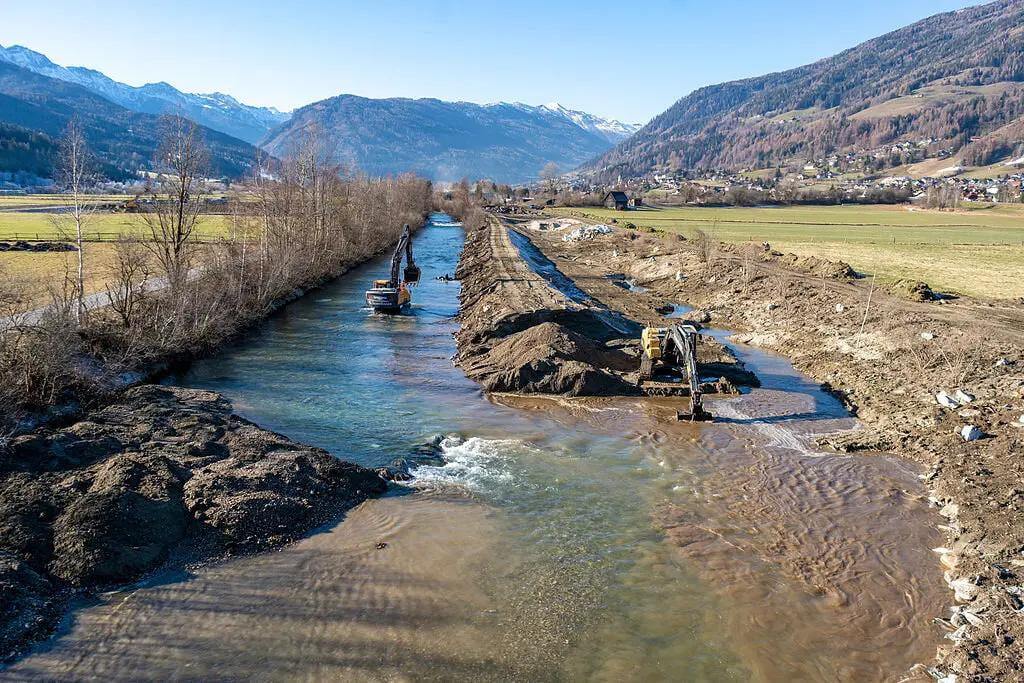
The regulation entered into force on 18 August 2024 after a bruising political fight, and it now stands as the centrepiece of the EU’s biodiversity agenda. It requires member states to put recovery measures in place across at least 20 percent of the Union’s land and sea by 2030, scaling up to all ecosystems that need repair by 2050.

The headline goal commits governments to restore 30 percent of degraded terrestrial, coastal, freshwater and marine habitats to good condition by 2030. Farmers and foresters play a central role, since the law also asks states to rewet a share of drained agricultural peatlands, powerful stores of carbon when kept wet.

The Commission argues that healthy ecosystems underpin the economy rather than compete with it. Pollinators support crop yields, wetlands buffer floods, and restored forests lock away carbon, benefits that officials say far outweigh the cost of action. The details sit in the Commission’s nature and biodiversity pages.

Not everyone is convinced. Farming groups fought the law hard during its passage, warning that rewetting rules and land-use targets could squeeze food production and rural incomes. Several governments echoed those fears, and the final text softened some obligations and added an emergency brake for food security.

That tension now shifts into the national plans themselves. Environmental campaigners will scrutinise each draft for ambition, while agricultural lobbies press for flexibility and funding. The Commission must then assess the plans and can ask capitals to strengthen weak ones before they become final.

Money remains the open question. The regulation sets targets but does not carry a dedicated budget, so states must braid together funds from the Common Agricultural Policy, cohesion pots and the LIFE programme. Green groups want a clearer financing stream in the next EU budget to match the scale of the task.

Backers frame 2026 as a turning point for European nature, the year ambition meets implementation. Whether the draft plans landing this August prove bold or cautious will shape how much of the continent’s battered wildlife actually recovers by the end of the decade. You can track progress through the EU’s Biodiversity Strategy for 2030.

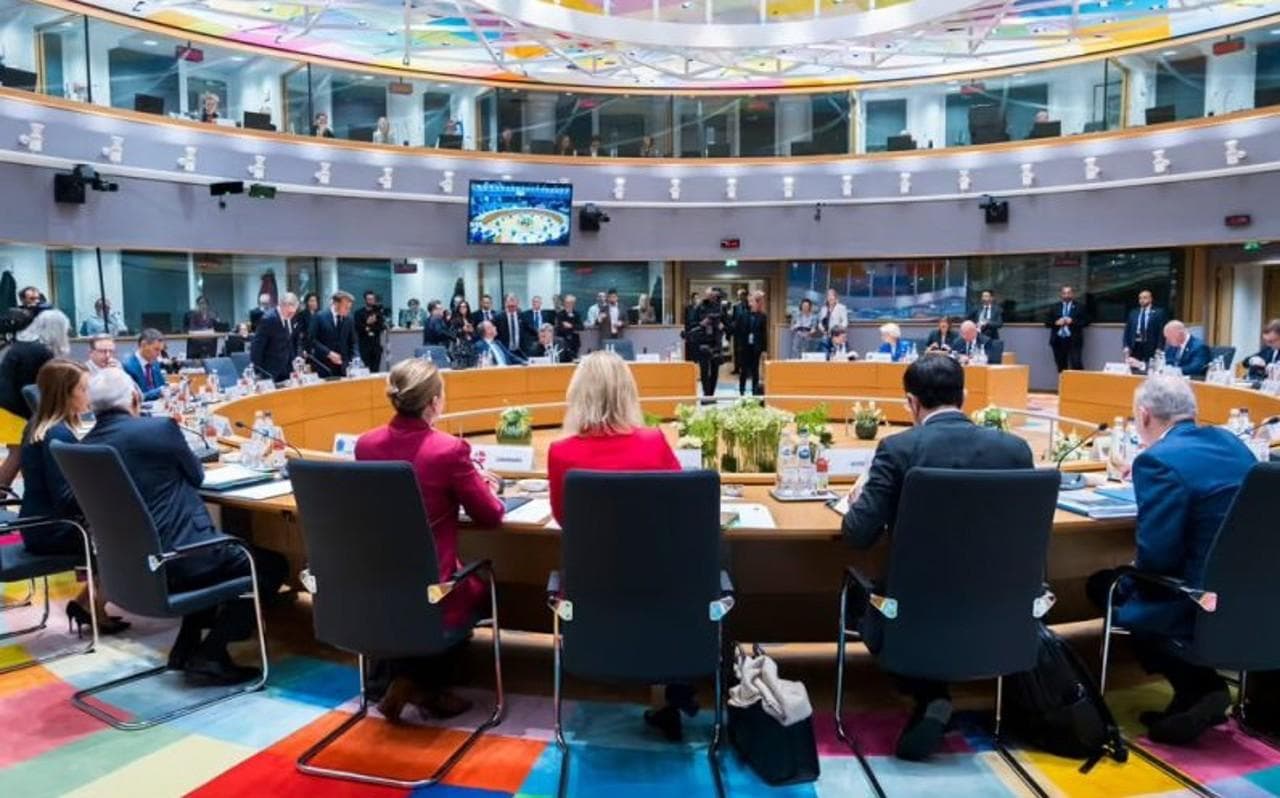
Ministers meeting in the Council have framed the drafts as a shared European effort rather than a set of isolated national tasks. Restored rivers, forests and coastlines rarely respect borders, and officials argue that only coordinated action will let the bloc hit its 2030 goals.