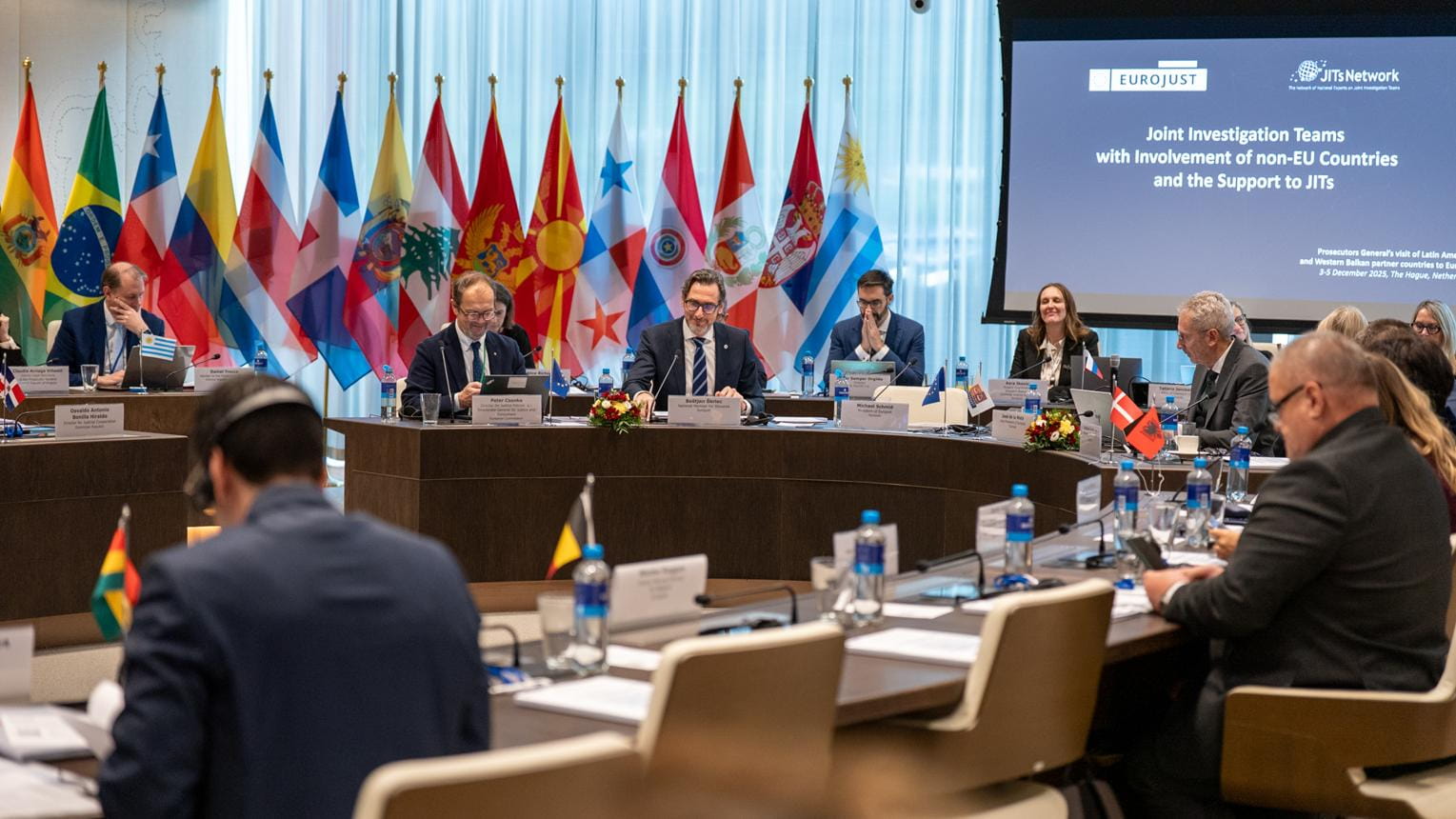
Dublin: European Union transport ministers met in Dublin on 20 and 21 September 2026 to place road safety technology at the centre of the bloc’s next transport agenda, in an informal Council chaired by Ireland’s Minister of State for Transport, Seán Canney, and organised by the Irish Department of Transport under the Irish presidency.
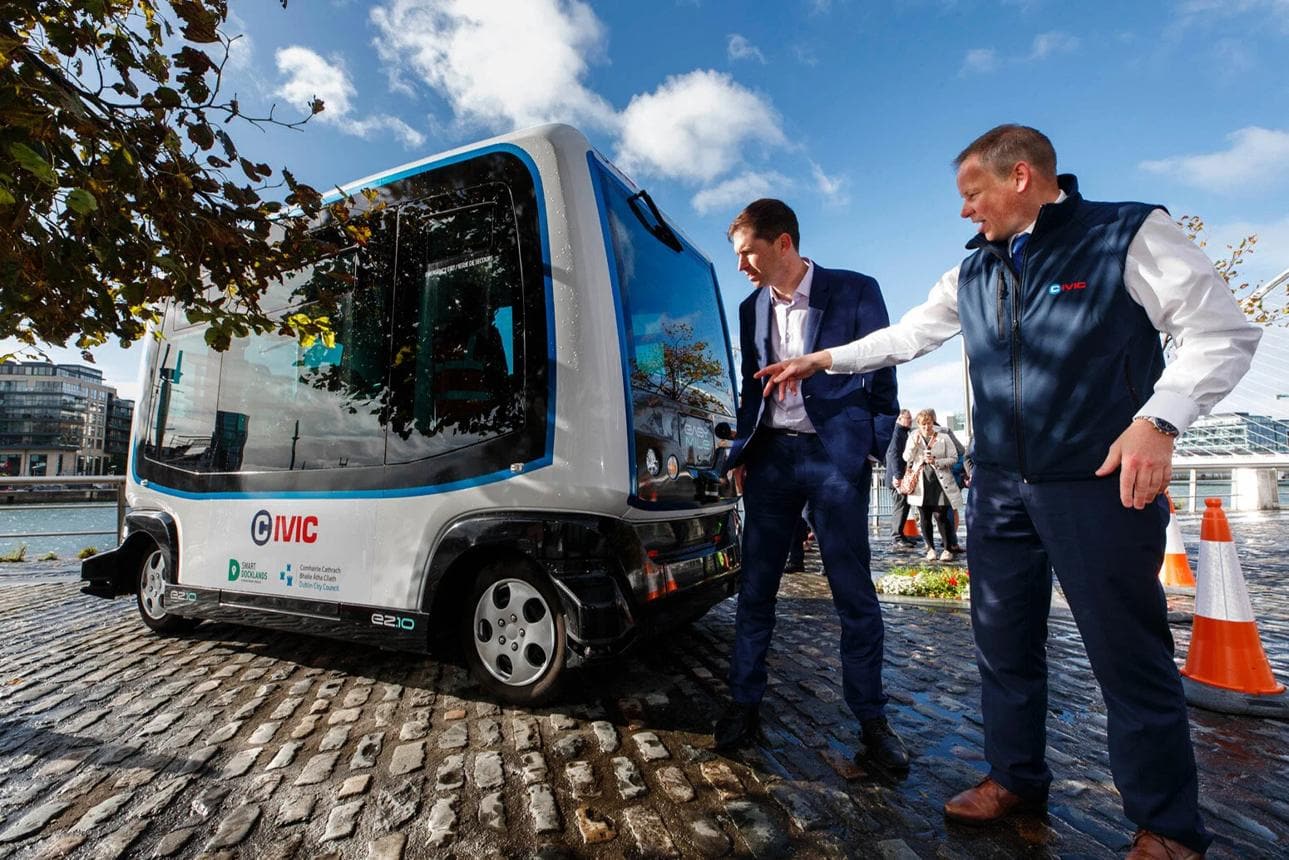
The first working session, titled Harnessing technological advances to improve road safety, asked ministers how European road safety policy should absorb connected and autonomous vehicles and cooperative intelligent transport systems. The question is no longer theoretical for the host: Canney has signed the statutory instrument commencing section 5(a) of the Road Traffic and Roads Act 2023, which opens Irish roads to Level 2 connected and autonomous vehicles.
Seventeen European capitals signed a declaration in June 2026 to build a shared testing platform for autonomous vehicles, and that fragmentation of national pilot schemes is precisely what ministers came to Dublin to discuss. A vehicle certified for supervised automation in one member state does not automatically enjoy the same status across a border, and the type-approval framework was not written with software that updates after sale.
The Irish presidency set out the purpose of the meeting in its official notice, describing a transport network that functions as the backbone of the single market and policy that must deliver
a safe, secure, resilient and competitive Union into the future.
The second working session turned to energy. Ministers examined the impact of the energy crisis on European transport and the lessons to draw for future policy, a discussion sharpened by the disruption to fuel supply routes through the Strait of Hormuz. Aviation and maritime operators carry the heaviest exposure, because both sectors depend on fuels for which the Union has few alternative suppliers and no short-term substitute at scale.
The practical shape of the two days was set out in the presidency programme:
- Arrivals, doorsteps and handshakes from 08:30 on 21 September, with the family photo at 09:30
- Working session one on road safety technology from 10:00 to 12:00
- A presidency press conference at 12:30
- Working session two on transport and the energy transition from 14:00 to 16:00
Informal Councils adopt no legislation and issue no conclusions, which is the point. Ministers speak without a negotiating mandate in front of them, and presidencies use the format to test where compromise might later be found. The sessions in Dublin prepare the formal Transport, Telecommunications and Energy Council scheduled for November, where texts rather than positions will be on the table.
Road safety gives the Irish presidency a defensible reason to lead with technology. Union road deaths have fallen far more slowly than the 2030 halving target requires, and the Commission’s own analysis attributes a large share of remaining fatalities to human error of the kind driver assistance systems are designed to catch. The counterargument, made by several national road safety authorities, is that automation transfers risk rather than removing it, and that enforcement and infrastructure still deliver more lives saved per euro.
Ireland has also been legislating domestically on lower-technology risks, introducing regulations on e-scooter use and weighing a reclassification that has divided its own cabinet. The EU High-Level Group on Road Safety meets in Dublin on 9 October, which gives the presidency a second venue to convert the ministerial discussion into something closer to a work programme. Details of the ministerial appear on the Irish presidency event page and on the Council meeting page for the informal transport Council.