August 9, 2026
LATEST
New EU Gas Market Rules Take Effect With Consumer SafeguardsDeforestation Regulation Holds Its December Deadline Despite CutsDigital Omnibus Delays Europe’s High-Risk AI Deadline to 2027Europe’s Schools Confront a Widening Basic Skills GapRule of Law Report Finds Progress but Trust Still LagsIRIS2 Gains 66 Satellites as Brussels Signs the Rollout DealNature Restoration Plans Come Due as Member States Race a DeadlineECB Rates Hold at 2.25 Percent as Frankfurt Waits on the DataEU Budget Talks Turn to Cohesion as Ireland Takes OverWildfire Response Stretches Europe’s Emergency Fleet ThinCan Europe’s Quantum Plan Match Its Big Ambitions?Armenia Edges West as Moscow’s Grip Slips AwayEurope Inherits the World’s Aid Bill It Cannot Fully PayAir Passenger Rights Get Their First Overhaul in Two DecadesErasmus Opens a 5 Billion Euro Round for Skills and MobilityCeuta Crisis Pushes the EU Toward Faster Migrant ReturnsBulky Parcels Face a Packaging Crackdown From August 12Can Europe Build Its Drone Wall Before 2030 Arrives?Indonesia’s Trade Deal With Europe Nears Its Final SignatureEurope Leans on Beijing to Keep Climate Talks Alive Before AntalyaNew EU Gas Market Rules Take Effect With Consumer SafeguardsDeforestation Regulation Holds Its December Deadline Despite CutsDigital Omnibus Delays Europe’s High-Risk AI Deadline to 2027Europe’s Schools Confront a Widening Basic Skills GapRule of Law Report Finds Progress but Trust Still LagsIRIS2 Gains 66 Satellites as Brussels Signs the Rollout DealNature Restoration Plans Come Due as Member States Race a DeadlineECB Rates Hold at 2.25 Percent as Frankfurt Waits on the DataEU Budget Talks Turn to Cohesion as Ireland Takes OverWildfire Response Stretches Europe’s Emergency Fleet ThinCan Europe’s Quantum Plan Match Its Big Ambitions?Armenia Edges West as Moscow’s Grip Slips AwayEurope Inherits the World’s Aid Bill It Cannot Fully PayAir Passenger Rights Get Their First Overhaul in Two DecadesErasmus Opens a 5 Billion Euro Round for Skills and MobilityCeuta Crisis Pushes the EU Toward Faster Migrant ReturnsBulky Parcels Face a Packaging Crackdown From August 12Can Europe Build Its Drone Wall Before 2030 Arrives?Indonesia’s Trade Deal With Europe Nears Its Final SignatureEurope Leans on Beijing to Keep Climate Talks Alive Before Antalya
August 9, 2026
LATEST
New EU Gas Market Rules Take Effect With Consumer SafeguardsDeforestation Regulation Holds Its December Deadline Despite CutsDigital Omnibus Delays Europe’s High-Risk AI Deadline to 2027Europe’s Schools Confront a Widening Basic Skills GapRule of Law Report Finds Progress but Trust Still LagsIRIS2 Gains 66 Satellites as Brussels Signs the Rollout DealNature Restoration Plans Come Due as Member States Race a DeadlineECB Rates Hold at 2.25 Percent as Frankfurt Waits on the DataEU Budget Talks Turn to Cohesion as Ireland Takes OverWildfire Response Stretches Europe’s Emergency Fleet ThinCan Europe’s Quantum Plan Match Its Big Ambitions?Armenia Edges West as Moscow’s Grip Slips AwayEurope Inherits the World’s Aid Bill It Cannot Fully PayAir Passenger Rights Get Their First Overhaul in Two DecadesErasmus Opens a 5 Billion Euro Round for Skills and MobilityCeuta Crisis Pushes the EU Toward Faster Migrant ReturnsBulky Parcels Face a Packaging Crackdown From August 12Can Europe Build Its Drone Wall Before 2030 Arrives?Indonesia’s Trade Deal With Europe Nears Its Final SignatureEurope Leans on Beijing to Keep Climate Talks Alive Before AntalyaNew EU Gas Market Rules Take Effect With Consumer SafeguardsDeforestation Regulation Holds Its December Deadline Despite CutsDigital Omnibus Delays Europe’s High-Risk AI Deadline to 2027Europe’s Schools Confront a Widening Basic Skills GapRule of Law Report Finds Progress but Trust Still LagsIRIS2 Gains 66 Satellites as Brussels Signs the Rollout DealNature Restoration Plans Come Due as Member States Race a DeadlineECB Rates Hold at 2.25 Percent as Frankfurt Waits on the DataEU Budget Talks Turn to Cohesion as Ireland Takes OverWildfire Response Stretches Europe’s Emergency Fleet ThinCan Europe’s Quantum Plan Match Its Big Ambitions?Armenia Edges West as Moscow’s Grip Slips AwayEurope Inherits the World’s Aid Bill It Cannot Fully PayAir Passenger Rights Get Their First Overhaul in Two DecadesErasmus Opens a 5 Billion Euro Round for Skills and MobilityCeuta Crisis Pushes the EU Toward Faster Migrant ReturnsBulky Parcels Face a Packaging Crackdown From August 12Can Europe Build Its Drone Wall Before 2030 Arrives?Indonesia’s Trade Deal With Europe Nears Its Final SignatureEurope Leans on Beijing to Keep Climate Talks Alive Before Antalya

Quality Jobs Act Enters a Decisive Consultation Round

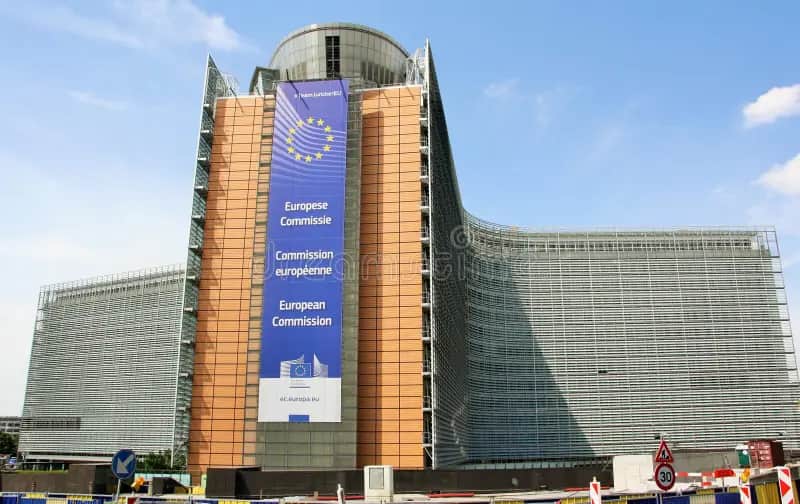
Brussels: The European Commission opened the second-phase consultation of European social partners on its planned Quality Jobs Act on 20 July 2026, giving unions and employers until 28 September to shape a law meant to lift working conditions across all 27 member states. Executive Vice-President Roxana Minzatu is steering the initiative, first announced by President Ursula von der Leyen in her 2025 State of the Union address.

The consultation sets out five possible areas for EU action. They range from algorithmic management and artificial intelligence at work to updated health and safety rules covering telework and off-premises workplaces.

Minzatu, who holds the portfolio for Social Rights, Skills, Quality Jobs and Preparedness, frames the Quality Jobs Act as central to European competitiveness rather than a cost on business.

We want Europe to remain the best place to work and live, where innovation and fairness go hand in hand, Minzatu told social partners as she launched the second stage.

The Commission wants employers and unions to weigh whether AI systems that assign tasks, score performance or monitor staff need firmer transparency and human-oversight rules. It also asks how to protect workers from excessive surveillance as more jobs move into homes and hybrid settings.

The process follows a clear sequence:

  • First-stage talks ran from December 2025 to January 2026.
  • 34 EU-level social partners took part, including 12 trade unions and 22 employer bodies.
  • The second stage runs until 28 September 2026.
  • The Commission aims to table its proposal before the end of the year.

The consultation also revisits fair pay, in-work poverty and the right to disconnect, themes unions have pressed for years. Brussels says the final text should reward firms that invest in skills and stable contracts rather than penalise them.

After this round, unions and employers may open their own negotiations toward a joint agreement, a route the treaties allow and that could shape or even replace parts of the eventual law. The Commission has signalled it will legislate if the social partners do not reach a deal.

The push lands as another major reform takes effect. Member states must transpose the Platform Work Directive by 2 December 2026, rules that could reclassify up to 4.1 million of the roughly 28 million people working through digital platforms as employees rather than self-employed contractors.

Employer groups caution that new obligations could raise labour costs and slow hiring at a time when the bloc is chasing productivity gains. Trade unions counter that stagnant real wages, insecure contracts and always-on digital monitoring already push skilled workers away, and that stronger standards would help firms retain them.

The full scope of the consultation and its five priority areas appear in the Commission’s own announcement. Whatever emerges, the Quality Jobs Act is shaping up as the defining social-policy file of von der Leyen’s second term, and the September deadline now sets the clock for how ambitious the final text can be.