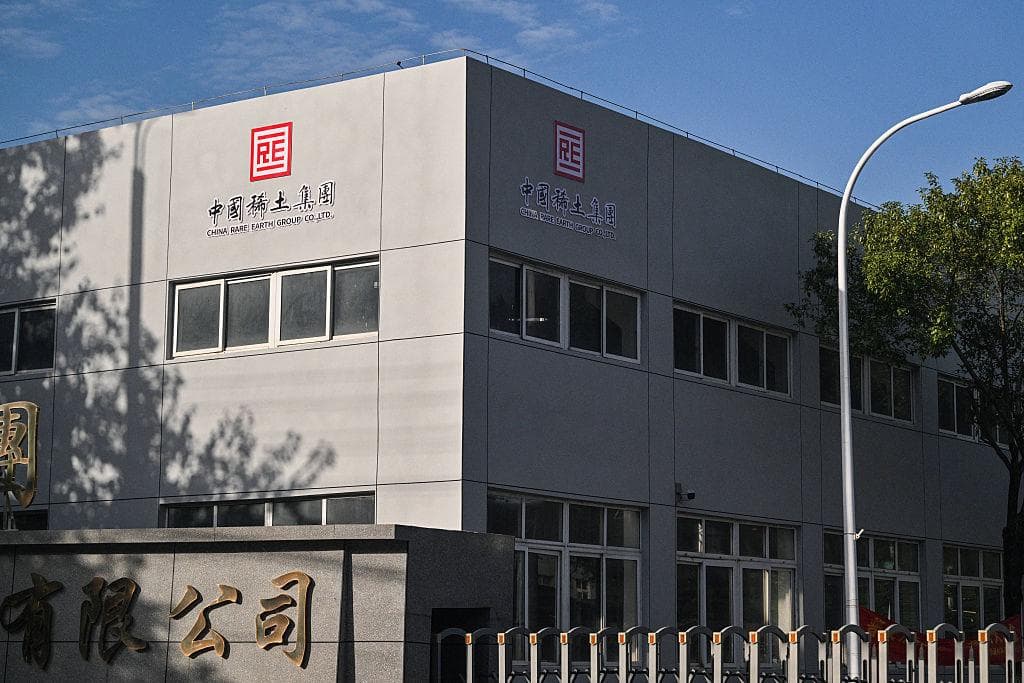
Ganzhou: The town that separates the world’s dysprosium and terbium now functions as a valve on European industry, and Beijing decides how far it opens. Nothing has been embargoed. Applications simply take longer than a production schedule can absorb.
European companies have filed roughly two thousand priority licence requests since the spring. Commission officials say only a little over half have been properly processed. A magnet order that once moved on commercial terms now waits on an administrative decision in another jurisdiction, and carmakers, wind turbine assemblers and defence suppliers have all rebuilt their planning around that delay.
The reach of the rules is what makes them unusual. Under the licensing regime Beijing extended this year, any manufacturer anywhere must seek Chinese approval to export magnets or semiconductor materials containing as little as 0.1 per cent of controlled Chinese-origin metal, or made using Chinese processing technology. A Slovak component that never physically passes through China can still fall inside the perimeter. China has effectively written itself into other countries’ export control systems.
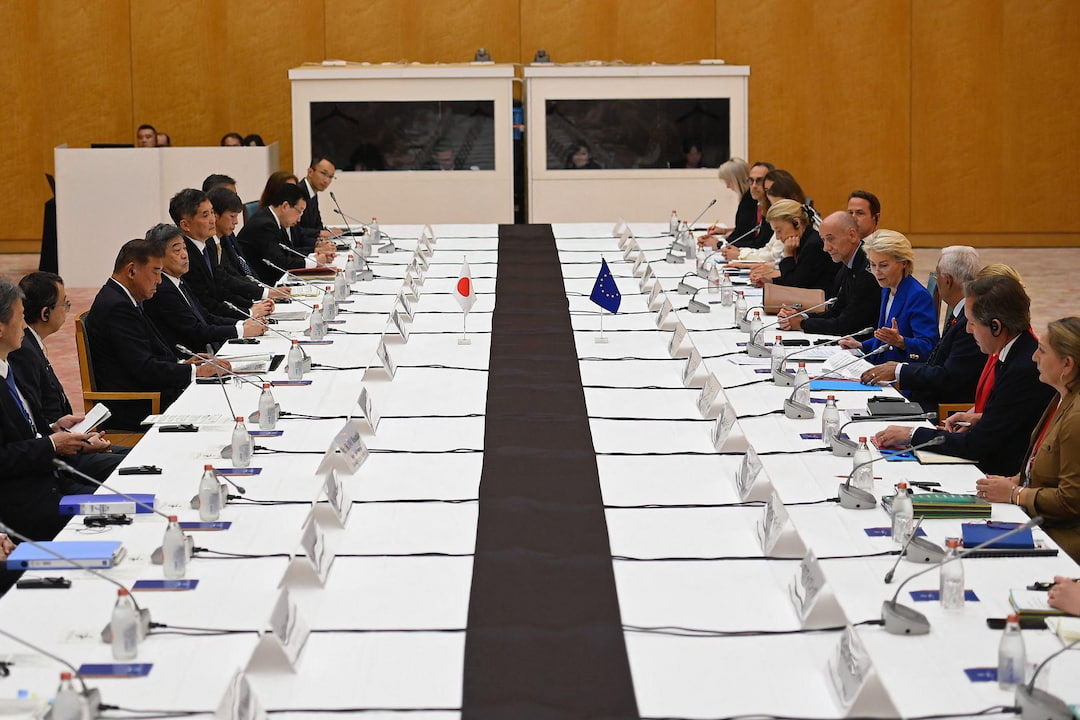
Ursula von der Leyen tried to buy relief at the July summit, securing an understanding with Xi Jinping to fast-track critical raw material licences. Three weeks later the Commission began assembling an emergency response mechanism for the moment the current restrictions come up for renewal in October. Brussels does not treat the summit language as a settlement. It treats it as a pause.
July also brought a sharper signal. Chinese authorities refused export permits to fourteen European firms outright, citing national security and non-proliferation obligations. That is a small number against the size of the trade, and the size is the point. Targeted denial demonstrates capability without triggering the political rupture a blanket cutoff would guarantee. Leverage survives only while it goes unused at scale.
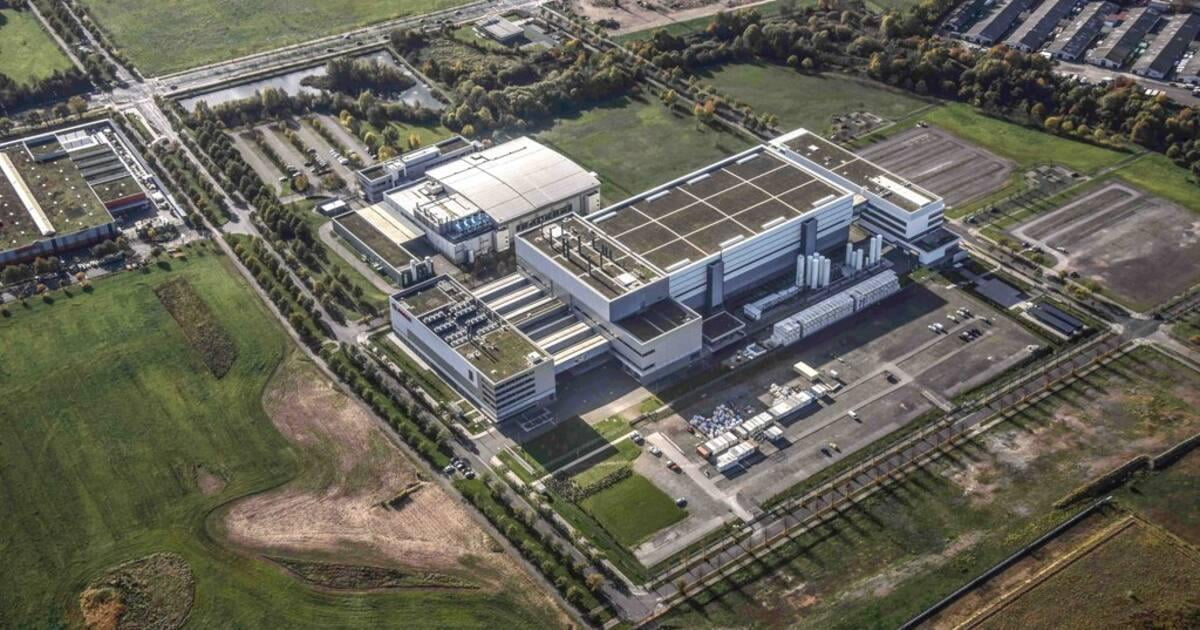
Europe’s answer remains structural and slow. The Critical Raw Materials Act commits the Union to extracting a tenth of its strategic minerals, processing two fifths and recycling a quarter of them by 2030. Those targets are achievable on paper. Permitting a separation plant, financing it against volatile prices and training the metallurgists to run it takes most of the remaining decade, and the European Parliament’s own analysts have said as much. Between now and then the continent buys what Ganzhou releases.
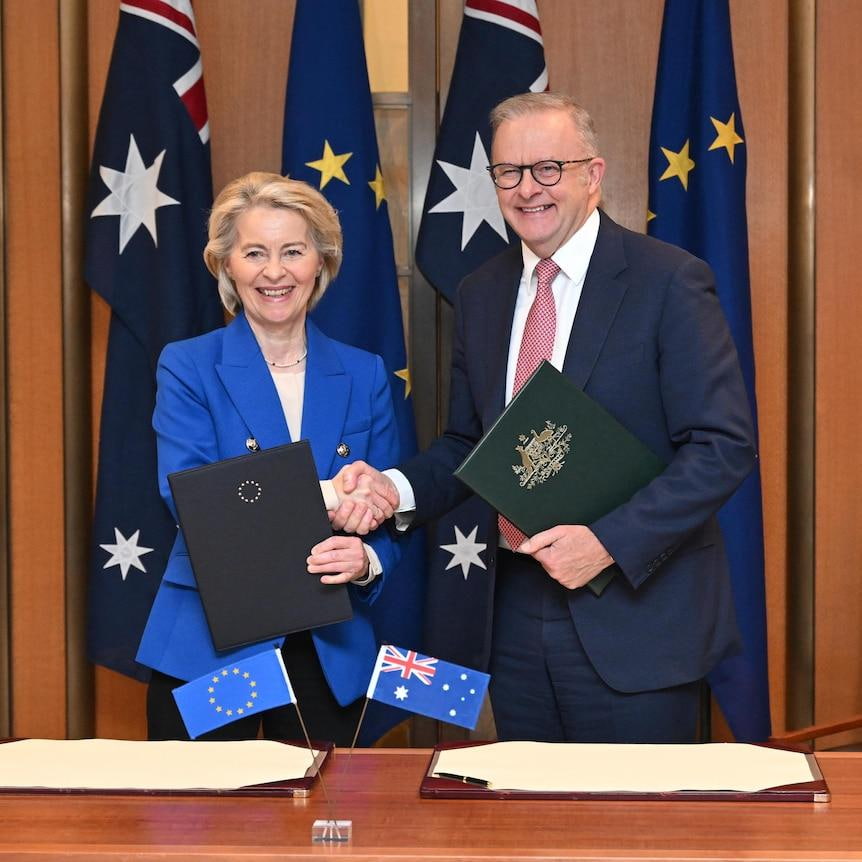
Some analysts argue Europe overstates its exposure, noting that magnet stockpiles, substitution in mid-range motors and new supply from Australia and Brazil will erode Chinese share faster than the panic suggests. Others counter that licensing friction is designed to outlast diversification, because Beijing can tighten paperwork faster than anyone can build a refinery. Both positions rest on the same uncomfortable fact, which is that the timeline belongs to China.
The instructive part is what the delay has already changed inside Europe. Firms that treated raw material sourcing as procurement now treat it as risk management reporting to the board. That shift will outlast whichever way October goes, and it is a larger consequence than any single licence.
What Brussels still lacks is a response that costs Beijing something. An emergency task force coordinates scarcity; it does not create supply or impose a price for withholding it. Until the Union can answer a licensing squeeze with more than a summit readout, its rare earth policy will remain a schedule set in another capital.