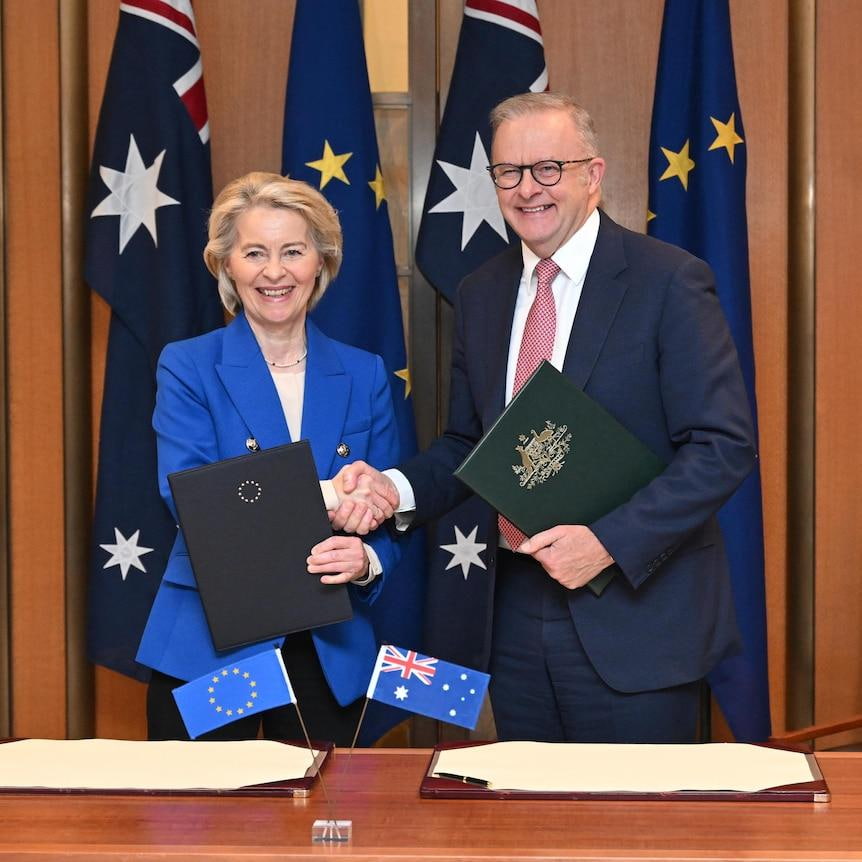
Busan: Two years ago the European Union and the Republic of Korea signed a document that most defence ministries file and forget. The Security and Defence Partnership of November 2024 made Seoul one of the first two Asian capitals to hold such an arrangement with Brussels, the other being Tokyo. Paperwork of that kind usually ages badly. This one has not.
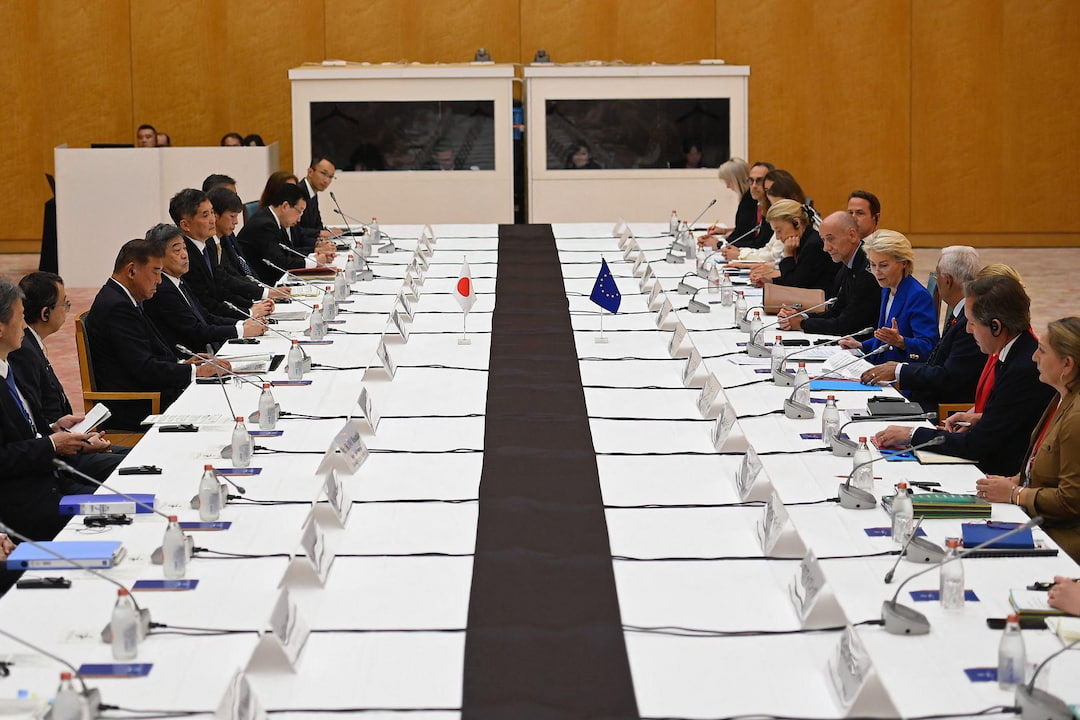
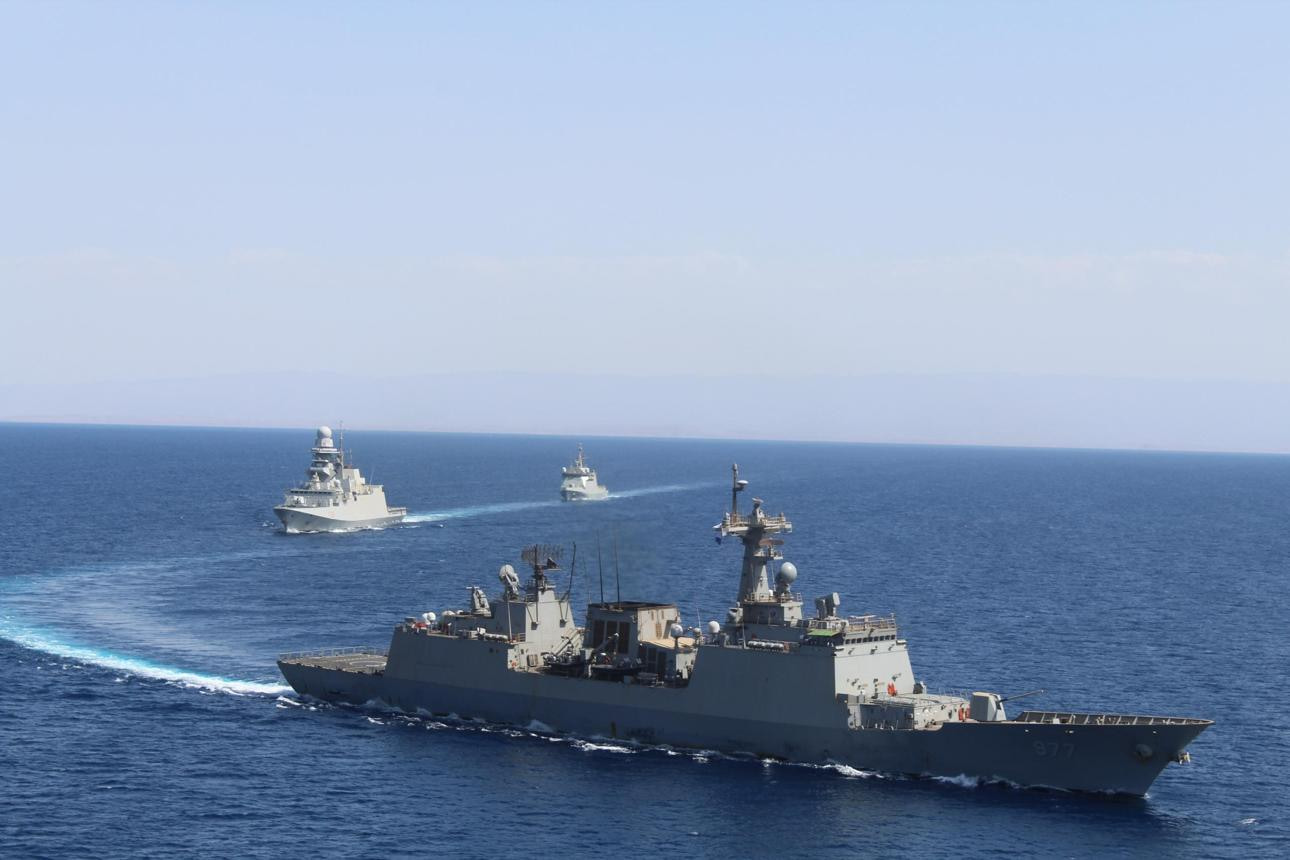
The EU–Republic of Korea summit held in Brussels in June 2026 forced both governments to audit their own promises, and for once the audit produced something other than adjectives. The European External Action Service records that the two sides lifted their Security and Defence Dialogue to Managing Director level and ran a joint naval exercise with Korean vessels. Those are small steps. They are also the kind of step that turns a communiqué into an institution.
Why does a bloc that struggles to defend its own eastern flank spend diplomatic capital on a country eight thousand kilometres away? Because Korea sits at the intersection of three European problems. It builds ships and artillery at industrial scale, it lives beside the security crisis Europe now imports through Russia, and it faces the same coercion playbook that Brussels has spent five years learning to name.
The industrial argument arrives first. Poland bought Korean tanks and self-propelled howitzers in volumes that European producers could not match on either price or delivery date, and Warsaw has not been shy about why. Korean yards dominate global commercial shipbuilding, a sector Europe has largely conceded. As member states scramble to rebuild stockpiles, Seoul offers something the continent’s own defence industrial base still cannot promise, which is capacity that exists today rather than capacity announced for 2030.
The strategic argument runs the other way. North Korea now supplies Russia with munitions and, by several European assessments, personnel. That single fact collapsed the comfortable distinction between the Euro-Atlantic and Indo-Pacific theatres. A European sanctions listing aimed at Pyongyang is no longer a gesture about Asian proliferation. It is an act of self-defence, and Seoul reads it that way.
Yet the ceiling on this partnership is real and worth naming. The Council frames these arrangements as political frameworks, not alliances. There is no mutual defence clause, no command structure and no obligation to act. Procurement remains a national competence, so a Korean howitzer sale to Poland does nothing for Portugal. And European instruments designed to fund the rearmament push tend to reward European content, which quietly penalises exactly the supplier Europe keeps praising.
Korean politics adds its own friction. Seoul guards its export controls carefully and calibrates every move against Beijing, its largest trading partner. A government that signs maritime security language with Brussels in June must still explain itself in Beijing in July. That balancing act limits how far the defence partnership can be pushed in public, whatever officials say in private.
The honest verdict is that Brussels and Seoul have built a working relationship rather than a decisive one. It delivers intelligence exchange, naval familiarity, cyber coordination and a channel that functions during crises. It does not deliver a shortcut around Europe’s manufacturing shortfall, and it will not survive contact with a European industrial policy that treats Korean firms as competitors on Monday and partners on Tuesday. Deciding which they are would be the most useful thing either side does before the next summit.