August 22, 2026
LATEST
What the EU Taiwan Framework Would Actually Have to DoKorea Signed a Digital Trade Deal That Nobody Has RatifiedCritical Minerals in Mongolia Still Have to Cross Two BordersCan an Indonesia Trade Deal Survive Two Years of RatifyingCross-Border Data Orders Went Live Before the Plumbing DidPlatform Work Rules Take Effect in December and Few Are ReadyCan Europe’s Firefighting Fleet Keep Pace With EU WildfiresThe AI Act Deadline Passed on 2 August and Nothing BitWhy Construction Keeps Shrinking While Confidence ImprovesAccession Talks Stall Again and September 1 Is the TestBrussels Applied a Trade Deal It Cannot Yet RatifyAfrica’s Power Market Now Needs Money More Than BlueprintsLong-Term Budget Talks Enter Autumn Without a Council LineForeign Subsidies Enforcement Now Turns on a Dublin RaidWho Writes Europe’s Telecom Rules Once Copper DisappearsDisability Cards Exist on Paper and Nowhere Else Until 2028Losing Visa-Free Travel Now Takes a Thirty Percent SwingTwenty Flagship Actions Will Test Whether the Culture Compass WorksEurope’s Quality Jobs Act Now Rests on What Unions Do by SeptemberDoes a Three Euro Parcel Duty Change Anything About Cheap ImportsWhat the EU Taiwan Framework Would Actually Have to DoKorea Signed a Digital Trade Deal That Nobody Has RatifiedCritical Minerals in Mongolia Still Have to Cross Two BordersCan an Indonesia Trade Deal Survive Two Years of RatifyingCross-Border Data Orders Went Live Before the Plumbing DidPlatform Work Rules Take Effect in December and Few Are ReadyCan Europe’s Firefighting Fleet Keep Pace With EU WildfiresThe AI Act Deadline Passed on 2 August and Nothing BitWhy Construction Keeps Shrinking While Confidence ImprovesAccession Talks Stall Again and September 1 Is the TestBrussels Applied a Trade Deal It Cannot Yet RatifyAfrica’s Power Market Now Needs Money More Than BlueprintsLong-Term Budget Talks Enter Autumn Without a Council LineForeign Subsidies Enforcement Now Turns on a Dublin RaidWho Writes Europe’s Telecom Rules Once Copper DisappearsDisability Cards Exist on Paper and Nowhere Else Until 2028Losing Visa-Free Travel Now Takes a Thirty Percent SwingTwenty Flagship Actions Will Test Whether the Culture Compass WorksEurope’s Quality Jobs Act Now Rests on What Unions Do by SeptemberDoes a Three Euro Parcel Duty Change Anything About Cheap Imports
August 22, 2026
LATEST
What the EU Taiwan Framework Would Actually Have to DoKorea Signed a Digital Trade Deal That Nobody Has RatifiedCritical Minerals in Mongolia Still Have to Cross Two BordersCan an Indonesia Trade Deal Survive Two Years of RatifyingCross-Border Data Orders Went Live Before the Plumbing DidPlatform Work Rules Take Effect in December and Few Are ReadyCan Europe’s Firefighting Fleet Keep Pace With EU WildfiresThe AI Act Deadline Passed on 2 August and Nothing BitWhy Construction Keeps Shrinking While Confidence ImprovesAccession Talks Stall Again and September 1 Is the TestBrussels Applied a Trade Deal It Cannot Yet RatifyAfrica’s Power Market Now Needs Money More Than BlueprintsLong-Term Budget Talks Enter Autumn Without a Council LineForeign Subsidies Enforcement Now Turns on a Dublin RaidWho Writes Europe’s Telecom Rules Once Copper DisappearsDisability Cards Exist on Paper and Nowhere Else Until 2028Losing Visa-Free Travel Now Takes a Thirty Percent SwingTwenty Flagship Actions Will Test Whether the Culture Compass WorksEurope’s Quality Jobs Act Now Rests on What Unions Do by SeptemberDoes a Three Euro Parcel Duty Change Anything About Cheap ImportsWhat the EU Taiwan Framework Would Actually Have to DoKorea Signed a Digital Trade Deal That Nobody Has RatifiedCritical Minerals in Mongolia Still Have to Cross Two BordersCan an Indonesia Trade Deal Survive Two Years of RatifyingCross-Border Data Orders Went Live Before the Plumbing DidPlatform Work Rules Take Effect in December and Few Are ReadyCan Europe’s Firefighting Fleet Keep Pace With EU WildfiresThe AI Act Deadline Passed on 2 August and Nothing BitWhy Construction Keeps Shrinking While Confidence ImprovesAccession Talks Stall Again and September 1 Is the TestBrussels Applied a Trade Deal It Cannot Yet RatifyAfrica’s Power Market Now Needs Money More Than BlueprintsLong-Term Budget Talks Enter Autumn Without a Council LineForeign Subsidies Enforcement Now Turns on a Dublin RaidWho Writes Europe’s Telecom Rules Once Copper DisappearsDisability Cards Exist on Paper and Nowhere Else Until 2028Losing Visa-Free Travel Now Takes a Thirty Percent SwingTwenty Flagship Actions Will Test Whether the Culture Compass WorksEurope’s Quality Jobs Act Now Rests on What Unions Do by SeptemberDoes a Three Euro Parcel Duty Change Anything About Cheap Imports

Mercosur Safeguards Exist and Nobody Has Triggered Them Yet

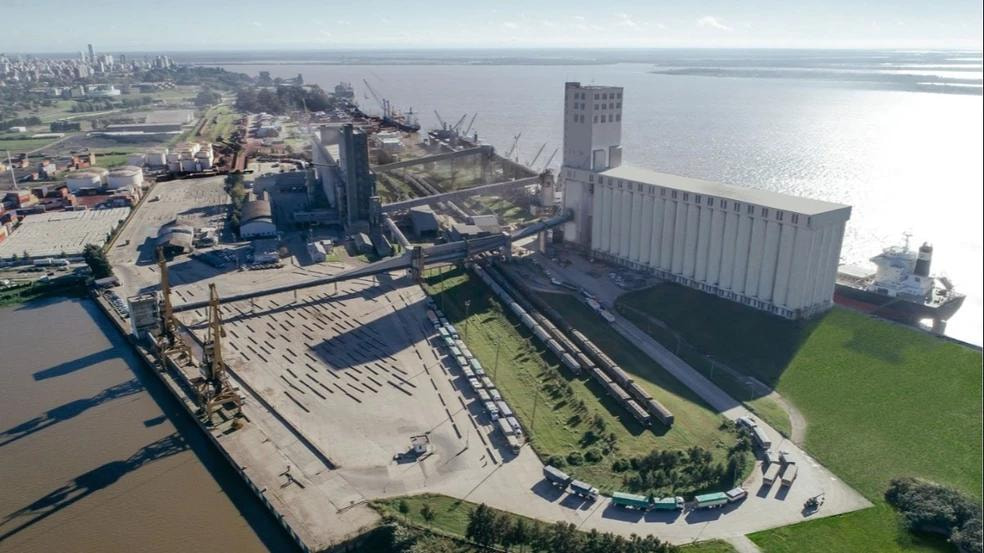
Rosario: The grain and beef terminals on the Paraná have spent three and a half months shipping into a European market that formally reopened to them on 1 May, when the interim trade agreement with Mercosur began to apply. European farm groups spent five years demanding protection against exactly this moment. They got it, in the form of a dedicated safeguard regulation. Nobody has managed to use it yet, and the reason lies in how the trigger was drafted.

Regulation (EU) 2026/687, published on 11 March, names beef, poultry, sugar, rice and ethanol as sensitive sectors and lets the Commission impose provisional measures within 21 days of a notification. Producers and sector organisations can file a request themselves, supported by price data, import volumes and margin evidence. Ministers signed it off in March after Parliament had approved the text in February. On its own terms the instrument works quickly.

Getting to the instrument is the problem. The Commission opens an investigation when imports of a sensitive product rise five per cent above a three-year average and, at the same time, arrive at prices at least five per cent below the comparable domestic price. Both conditions must hold. A surge that undercuts European producers on volume but not on price fails the test, and so does a cheap consignment that stays inside the historical volume band.

That double lock matters because tariff-rate quotas open gradually rather than at once. Mercosur beef enters through a quota that phases in over years, so the volumes arriving this summer sit comfortably inside the three-year reference. Argentine and Brazilian exporters also have little reason to discount aggressively while the quota still binds; they earn more by filling it at prevailing prices than by pushing the price benchmark down and inviting an investigation. The design rewards restraint, and exporters have read it correctly.

Irish and French cattle organisations argued during the ratification fight that this was the point, and they were partly right. The safeguard was negotiated to reassure capitals that needed political cover for a qualified majority, not to reverse the market access the agreement grants. Its practical function over the next two years will be monitoring rather than intervention. The regulation obliges the Commission to report to Parliament and Council every six months, which puts the first substantive assessment of provisional application on the table around November.

That report deserves more attention than the safeguard itself. It will show quota fill rates by product, the price differential between Mercosur and European supply, and whether the monitoring data is granular enough to detect regional damage that averages across the single market conceal. A Portuguese poultry producer competing with Brazilian breast meat does not care about a European average. If the November figures cannot separate that case from the aggregate, the argument will shift from whether the safeguard fires to whether the Commission can see the harm it was written to catch.

European agriculture ministers will meet the same tension repeatedly as the agreement moves toward full ratification in national parliaments. The interim deal applies now; the wider partnership agreement still needs consent. Farm groups that treated the safeguard as their victory may find it becomes their evidence base instead, and a monitoring report is a weaker weapon than a tariff. It is also the only one they currently hold.