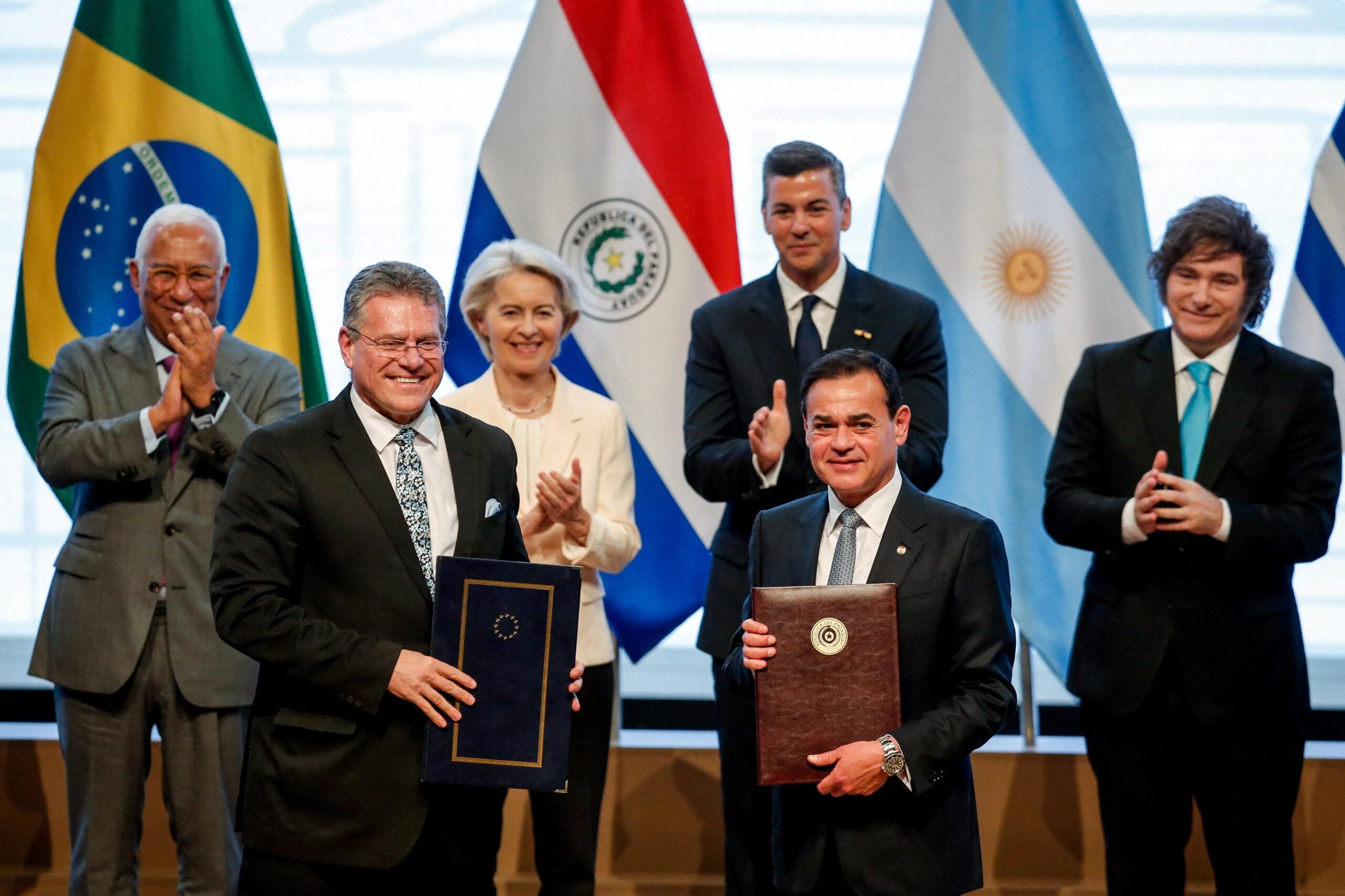
Brussels: Europe’s trade agreement with the Mercosur bloc is now in force and on trial at the same time, an awkward state of affairs that captures everything fraught about the deal. Since the first of May the interim trade pillar has applied provisionally, cutting duties across a market of some 700 million people. Yet in January the European Parliament voted, by the narrowest of margins of 334 to 324, to ask the Court of Justice of the European Union whether the pact is even compatible with the bloc’s treaties. The agreement is being implemented and litigated in the same breath.
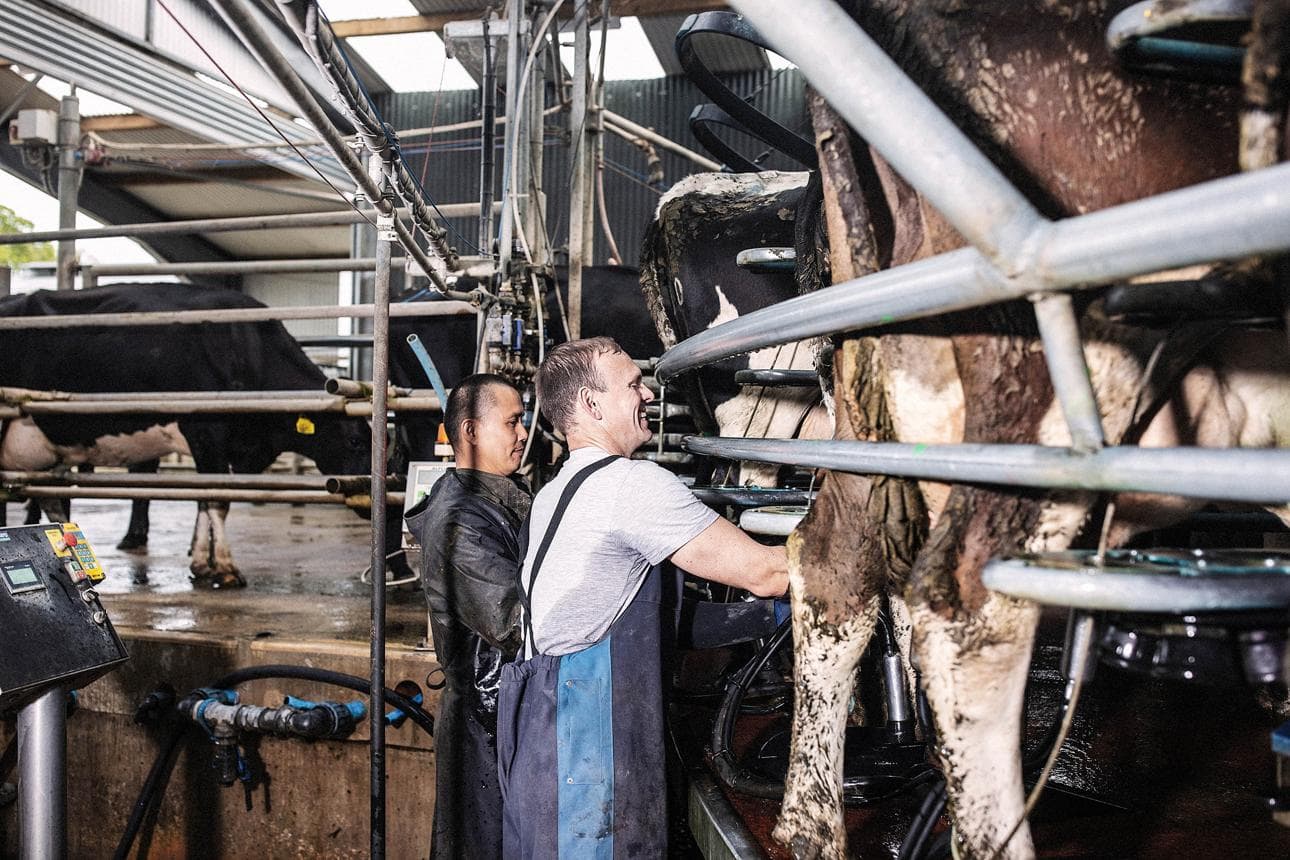
The split runs along a familiar fault line. The Council greenlit signature in January by 21 votes to 5, and the Commission frames the deal as a strategic prize: a counterweight to Chinese influence in South America, a fresh source of critical minerals, and proof that the European Union can still close large agreements in an age of creeping protectionism. Against that sits France, the bloc’s largest agricultural producer, which warns that cheaper South American beef, sugar and poultry will undercut farmers already prone to blocking motorways with their tractors. President Emmanuel Macron has said the domestic politics make a clean conclusion difficult, and Poland and others share the reservation.
The legal question referred to Luxembourg is more than a delaying tactic, though it functions as one. At its heart is whether Brussels was entitled to split the package, hiving off the trade chapter as an EU-only “interim” agreement that the Commission and a qualified majority in the Council could bring into force, while the broader partnership treaty waits on ratification by every national and several regional parliaments. Critics argue the manoeuvre lets Brussels apply the commercially decisive part of the deal before member states have truly consented. The Commission counters that trade is an exclusive EU competence and that the architecture is both lawful and routine.
What is genuinely at stake is the credibility of the European Union as a trade negotiator. If the court finds the splitting improper, every future agreement built on the same template becomes vulnerable, and partners from Mexico to Indonesia will wonder whether a deal signed with Brussels can actually be delivered. If the court blesses the structure, the Commission gains a powerful tool to push agreements past reluctant capitals, and national parliaments lose some of their leverage over the bloc’s external commerce. Either way the judgment will shape far more than the price of Argentine sirloin.
For now the paradox holds. Exporters on both sides are already adjusting to lower tariffs, businesses are signing contracts on the assumption the deal endures, and farmers are watching the docket in Luxembourg. Provisional application was meant to deliver early certainty. Instead it has produced a deal that is simultaneously real and reversible, a wager that the politics will eventually catch up with the economics rather than the other way around.