August 9, 2026
LATEST
Japan Becomes Europe’s Closest Security Partner in AsiaCan Europe’s New Zealand Deal Anchor It in the Pacific?Chip Research Binds Europe and South Korea CloserMinimum Prices Replace Tariffs in Europe’s China Car DealBrussels and Beijing Keep Talking While the Trade Gap WidensKorean Weapons and EU Loans Now Bankroll Europe’s RearmamentNew EU Gas Market Rules Take Effect With Consumer SafeguardsDeforestation Regulation Holds Its December Deadline Despite CutsDigital Omnibus Delays Europe’s High-Risk AI Deadline to 2027Europe’s Schools Confront a Widening Basic Skills GapRule of Law Report Finds Progress but Trust Still LagsIRIS2 Gains 66 Satellites as Brussels Signs the Rollout DealNature Restoration Plans Come Due as Member States Race a DeadlineECB Rates Hold at 2.25 Percent as Frankfurt Waits on the DataEU Budget Talks Turn to Cohesion as Ireland Takes OverWildfire Response Stretches Europe’s Emergency Fleet ThinCan Europe’s Quantum Plan Match Its Big Ambitions?Armenia Edges West as Moscow’s Grip Slips AwayEurope Inherits the World’s Aid Bill It Cannot Fully PayAir Passenger Rights Get Their First Overhaul in Two DecadesJapan Becomes Europe’s Closest Security Partner in AsiaCan Europe’s New Zealand Deal Anchor It in the Pacific?Chip Research Binds Europe and South Korea CloserMinimum Prices Replace Tariffs in Europe’s China Car DealBrussels and Beijing Keep Talking While the Trade Gap WidensKorean Weapons and EU Loans Now Bankroll Europe’s RearmamentNew EU Gas Market Rules Take Effect With Consumer SafeguardsDeforestation Regulation Holds Its December Deadline Despite CutsDigital Omnibus Delays Europe’s High-Risk AI Deadline to 2027Europe’s Schools Confront a Widening Basic Skills GapRule of Law Report Finds Progress but Trust Still LagsIRIS2 Gains 66 Satellites as Brussels Signs the Rollout DealNature Restoration Plans Come Due as Member States Race a DeadlineECB Rates Hold at 2.25 Percent as Frankfurt Waits on the DataEU Budget Talks Turn to Cohesion as Ireland Takes OverWildfire Response Stretches Europe’s Emergency Fleet ThinCan Europe’s Quantum Plan Match Its Big Ambitions?Armenia Edges West as Moscow’s Grip Slips AwayEurope Inherits the World’s Aid Bill It Cannot Fully PayAir Passenger Rights Get Their First Overhaul in Two Decades
August 9, 2026
LATEST
Japan Becomes Europe’s Closest Security Partner in AsiaCan Europe’s New Zealand Deal Anchor It in the Pacific?Chip Research Binds Europe and South Korea CloserMinimum Prices Replace Tariffs in Europe’s China Car DealBrussels and Beijing Keep Talking While the Trade Gap WidensKorean Weapons and EU Loans Now Bankroll Europe’s RearmamentNew EU Gas Market Rules Take Effect With Consumer SafeguardsDeforestation Regulation Holds Its December Deadline Despite CutsDigital Omnibus Delays Europe’s High-Risk AI Deadline to 2027Europe’s Schools Confront a Widening Basic Skills GapRule of Law Report Finds Progress but Trust Still LagsIRIS2 Gains 66 Satellites as Brussels Signs the Rollout DealNature Restoration Plans Come Due as Member States Race a DeadlineECB Rates Hold at 2.25 Percent as Frankfurt Waits on the DataEU Budget Talks Turn to Cohesion as Ireland Takes OverWildfire Response Stretches Europe’s Emergency Fleet ThinCan Europe’s Quantum Plan Match Its Big Ambitions?Armenia Edges West as Moscow’s Grip Slips AwayEurope Inherits the World’s Aid Bill It Cannot Fully PayAir Passenger Rights Get Their First Overhaul in Two DecadesJapan Becomes Europe’s Closest Security Partner in AsiaCan Europe’s New Zealand Deal Anchor It in the Pacific?Chip Research Binds Europe and South Korea CloserMinimum Prices Replace Tariffs in Europe’s China Car DealBrussels and Beijing Keep Talking While the Trade Gap WidensKorean Weapons and EU Loans Now Bankroll Europe’s RearmamentNew EU Gas Market Rules Take Effect With Consumer SafeguardsDeforestation Regulation Holds Its December Deadline Despite CutsDigital Omnibus Delays Europe’s High-Risk AI Deadline to 2027Europe’s Schools Confront a Widening Basic Skills GapRule of Law Report Finds Progress but Trust Still LagsIRIS2 Gains 66 Satellites as Brussels Signs the Rollout DealNature Restoration Plans Come Due as Member States Race a DeadlineECB Rates Hold at 2.25 Percent as Frankfurt Waits on the DataEU Budget Talks Turn to Cohesion as Ireland Takes OverWildfire Response Stretches Europe’s Emergency Fleet ThinCan Europe’s Quantum Plan Match Its Big Ambitions?Armenia Edges West as Moscow’s Grip Slips AwayEurope Inherits the World’s Aid Bill It Cannot Fully PayAir Passenger Rights Get Their First Overhaul in Two Decades

New Zealand’s Trade Pact Tests Europe’s Dairy Defences At Last

Wellington: Two years after the European Union and New Zealand signed their free trade agreement, the deal is quietly doing what trade agreements are supposed to do and what their critics most fear. Tariffs are falling, quotas are filling, and the carefully balanced compromise struck in Brussels in July 2023 is now being tested by the realities of a market that does not pause for politics.

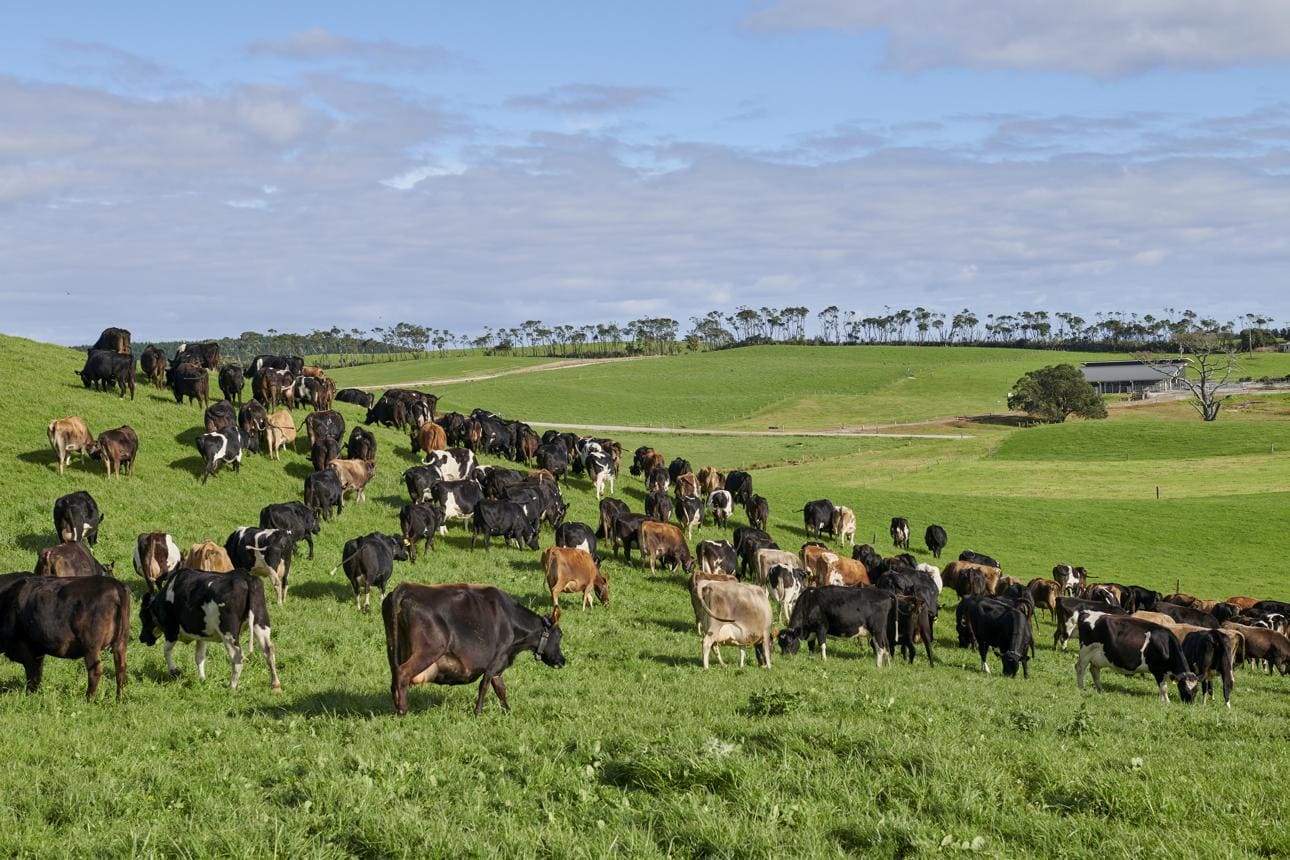
The agreement entered into force on 1 May 2024, and its architecture reflects the central tension of any farm-heavy trade pact. New Zealand is one of the world’s most efficient producers of dairy and meat, and European farmers feared being undercut. To protect them, negotiators ring-fenced the most sensitive goods. Beef, sheep meat, butter, cheese and high-protein whey can enter the European market only within fixed quotas rather than freely, a concession that allowed governments in Paris, Dublin and elsewhere to sell the deal at home.

In exchange, European exporters gained something they had long wanted. New Zealand agreed to liberalise access for EU pigmeat, wine and sparkling wine, chocolate, sugar confectionery and biscuits, opening a distant but affluent consumer market to European food and drink. For producers of branded goods and protected regional specialities, the agreement removed tariffs that had made their products needlessly expensive on New Zealand shelves.

The interesting story is what happens as the quotas mature. The first meeting of the agreement’s Trade Committee took place in New Zealand in October 2025, with the next round scheduled for Brussels in the second half of 2026. These are not ceremonial gatherings. As New Zealand exporters press to use their dairy and meat allocations in full, European farm groups will watch closely for any sign that the quotas are being stretched or that cheaper imports are reshaping prices in already strained markets. The committee is where those frictions will surface first.

There is also a quieter precedent embedded in the text. The agreement was the first the European Union concluded with enforceable sustainability commitments, including the possibility of trade sanctions for serious breaches of climate and labour standards. For a bloc that increasingly wants its trade policy to carry environmental weight, New Zealand became a test case for whether such clauses are credible or merely decorative. Other partners negotiating with Brussels are studying how strictly those provisions are applied.

For European farmers, the agreement remains a study in ambivalence. The quotas have held, and the predicted flood of cheap dairy has not materialised, in part because New Zealand’s exporters can sell profitably across Asia and have no overriding reason to chase European margins. Yet the structural anxiety persists. Each review cycle reopens the question of how much exposure European agriculture can absorb, and each new trade deal the bloc signs adds to the cumulative pressure on its most protected sectors.

That cumulative effect is the real significance of the New Zealand pact. On its own, it is a modest agreement between economies separated by eighteen thousand kilometres. Taken together with the bloc’s deals with Australia, Mercosur and a lengthening list of Asian partners, it forms part of a pattern in which European farmers are asked to accept incremental competition in return for gains that flow mostly to exporters of wine, machinery and manufactured goods. The Brussels meeting later this year will offer the clearest read yet on whether that bargain is holding.