August 29, 2026
LATEST
Thailand Trade Talks Enter Their Final Nine Chapters in EuropeWhy Europe’s Agri-Food Surplus Grew While Exports Kept FallingWhat Europe Needs From the GCC Summit Riyadh Will Host in AutumnHolding Limits Still Block a Digital Euro Deal Before DecemberData Rules Agreed With Seoul Now Wait on Parliament’s ConsentChina Listed Fourteen European Firms and November Ends the TruceWhy Australia’s Finished Trade Deal Still Has No Signature DateLate Application Leaves Tokyo Outside the Defence Loan QueueCyber Resilience Rules Give Makers 24 Hours From SeptemberWinter Stocks Test Europe’s New Gas Storage Flexibility RulesInnovation Theory Meets Merger Control in a New Commission StudyMercosur Tariffs Fell in May and the Court Has Not Ruled YetBilaterals III Now Turns on Which Referendum Switzerland PicksDark Patterns Face the EU Digital Fairness ActFifteen Chapters Stand Between Montenegro and 2028Who Blinks First in the FP10 Research Budget FightCustoms Reform Landed in March and Its Data Hub Opens in 2028Victims Rights Gain an EU Helpline and Capitals Have Two YearsIreland Must Move the EU Budget Box Before the October SummitFertiliser Prices Sit 71 Percent Above Their 2024 Average LevelThailand Trade Talks Enter Their Final Nine Chapters in EuropeWhy Europe’s Agri-Food Surplus Grew While Exports Kept FallingWhat Europe Needs From the GCC Summit Riyadh Will Host in AutumnHolding Limits Still Block a Digital Euro Deal Before DecemberData Rules Agreed With Seoul Now Wait on Parliament’s ConsentChina Listed Fourteen European Firms and November Ends the TruceWhy Australia’s Finished Trade Deal Still Has No Signature DateLate Application Leaves Tokyo Outside the Defence Loan QueueCyber Resilience Rules Give Makers 24 Hours From SeptemberWinter Stocks Test Europe’s New Gas Storage Flexibility RulesInnovation Theory Meets Merger Control in a New Commission StudyMercosur Tariffs Fell in May and the Court Has Not Ruled YetBilaterals III Now Turns on Which Referendum Switzerland PicksDark Patterns Face the EU Digital Fairness ActFifteen Chapters Stand Between Montenegro and 2028Who Blinks First in the FP10 Research Budget FightCustoms Reform Landed in March and Its Data Hub Opens in 2028Victims Rights Gain an EU Helpline and Capitals Have Two YearsIreland Must Move the EU Budget Box Before the October SummitFertiliser Prices Sit 71 Percent Above Their 2024 Average Level
August 29, 2026
LATEST
Thailand Trade Talks Enter Their Final Nine Chapters in EuropeWhy Europe’s Agri-Food Surplus Grew While Exports Kept FallingWhat Europe Needs From the GCC Summit Riyadh Will Host in AutumnHolding Limits Still Block a Digital Euro Deal Before DecemberData Rules Agreed With Seoul Now Wait on Parliament’s ConsentChina Listed Fourteen European Firms and November Ends the TruceWhy Australia’s Finished Trade Deal Still Has No Signature DateLate Application Leaves Tokyo Outside the Defence Loan QueueCyber Resilience Rules Give Makers 24 Hours From SeptemberWinter Stocks Test Europe’s New Gas Storage Flexibility RulesInnovation Theory Meets Merger Control in a New Commission StudyMercosur Tariffs Fell in May and the Court Has Not Ruled YetBilaterals III Now Turns on Which Referendum Switzerland PicksDark Patterns Face the EU Digital Fairness ActFifteen Chapters Stand Between Montenegro and 2028Who Blinks First in the FP10 Research Budget FightCustoms Reform Landed in March and Its Data Hub Opens in 2028Victims Rights Gain an EU Helpline and Capitals Have Two YearsIreland Must Move the EU Budget Box Before the October SummitFertiliser Prices Sit 71 Percent Above Their 2024 Average LevelThailand Trade Talks Enter Their Final Nine Chapters in EuropeWhy Europe’s Agri-Food Surplus Grew While Exports Kept FallingWhat Europe Needs From the GCC Summit Riyadh Will Host in AutumnHolding Limits Still Block a Digital Euro Deal Before DecemberData Rules Agreed With Seoul Now Wait on Parliament’s ConsentChina Listed Fourteen European Firms and November Ends the TruceWhy Australia’s Finished Trade Deal Still Has No Signature DateLate Application Leaves Tokyo Outside the Defence Loan QueueCyber Resilience Rules Give Makers 24 Hours From SeptemberWinter Stocks Test Europe’s New Gas Storage Flexibility RulesInnovation Theory Meets Merger Control in a New Commission StudyMercosur Tariffs Fell in May and the Court Has Not Ruled YetBilaterals III Now Turns on Which Referendum Switzerland PicksDark Patterns Face the EU Digital Fairness ActFifteen Chapters Stand Between Montenegro and 2028Who Blinks First in the FP10 Research Budget FightCustoms Reform Landed in March and Its Data Hub Opens in 2028Victims Rights Gain an EU Helpline and Capitals Have Two YearsIreland Must Move the EU Budget Box Before the October SummitFertiliser Prices Sit 71 Percent Above Their 2024 Average Level

Thailand Trade Talks Enter Their Final Nine Chapters in Europe

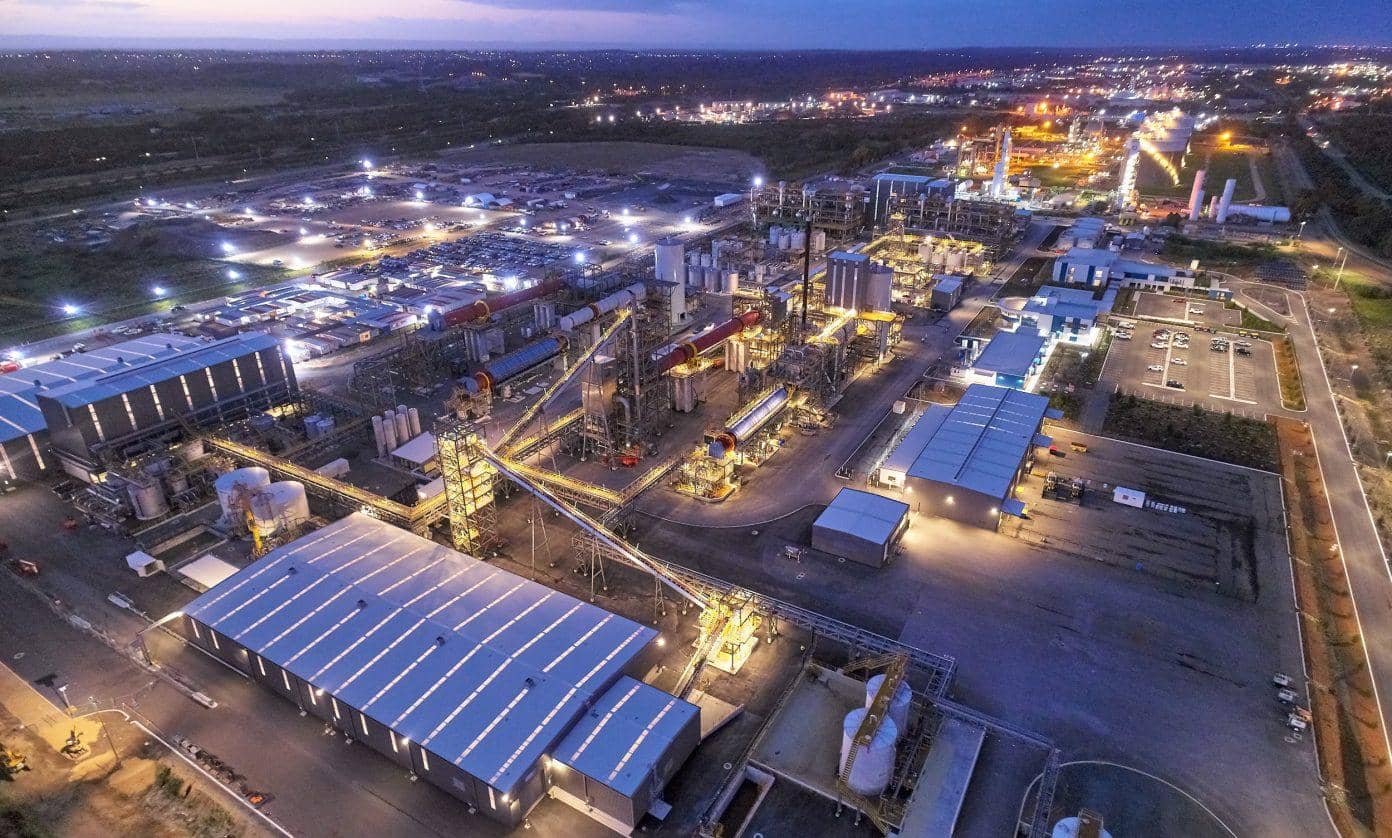
Laem Chabang: The container terminals south of Bangkok load most of what Thailand sends to European buyers, and the tariff schedule governing that cargo has barely moved in a generation. Thailand trade negotiators now want the rulebook rewritten before the year closes.

Officials from Bangkok and Brussels shut four more chapters during the ninth round, held in the Belgian capital between 22 and 30 June. Competition and subsidies, state-owned enterprises, dispute settlement and institutional provisions all came off the table. Fifteen of twenty-four chapters now stand agreed, roughly two-thirds of the text. The tenth round convenes on Thai soil in late September.

Thai ministers spent much of last year promising a mid-2026 conclusion. That date came and went. The Ministry of Industry has since reset the target to December, and Thai officials describe the file as entering its final stretch. Brussels has pointedly declined to confirm any deadline of its own.

The arithmetic explains the caution. Chapters do not close at an even rate, and negotiators everywhere park the hardest ones until last. What remains on the Thailand file is precisely the material that resists a calendar.

Trade and sustainable development sits at the top of that list. Europe wants enforceable commitments on labour standards, and Thailand’s fishing industry carries a documented history that European legislators remember well. The Commission lifted its illegal fishing warning in 2019, but the European Parliament will read the labour chapter closely before it votes on anything.

Government procurement follows. Thailand has never opened its public tendering to foreign suppliers at the depth European negotiators routinely demand, and domestic contractors lobby hard against it. Geographical indications create a third friction point, since Thai producers use several European cheese and wine names freely.

Agriculture cuts both ways. Thai rice, poultry and sugar exporters want the tariff-rate quotas widened, while European farm groups have already written to their governments. Bangkok in turn wants automotive rules of origin loose enough that Thai-assembled vehicles carrying Japanese and Chinese components still qualify for preference. That single technical question could hold the endgame hostage.

The wider context favours movement. Europe has spent three years converting its Indo-Pacific strategy into signed paper rather than communiques, and a further negotiating round with Malaysia lands in Brussels during the same September window. Each concluded agreement raises the cost to Thailand of being the one that stalled.

Thai exporters feel that cost directly. Their goods still enter the single market under most-favoured-nation duties, and competitors operating from countries with preferential access undercut them on price in categories where margins run thin. Every quarter without an agreement transfers a little market share.

Brussels holds the stronger hand and knows it. The Commission gains nothing from an unbalanced text that the Parliament then picks apart across two years of scrutiny, a fate that has befallen more than one Asian agreement already. Negotiators would rather miss December than sign something the co-legislators cannot ratify.

A realistic reading puts political conclusion in the first months of 2027, with the September round narrowing the remaining chapters to three or four genuinely political items that ministers then settle. Signature, legal scrubbing and translation would follow through 2027, and entry into force would arrive no earlier than 2028.

That timetable disappoints Bangkok, but it reflects how the European machine actually works. Readers watching the September round should count chapters closed rather than listen to the closing statements. Two more would signal a deal within reach. Fewer than that, and December becomes another date that quietly slides. The full negotiating record remains the better guide than either side’s optimism.