Frankfurt: European negotiators return to the digital euro file in September with the single most consequential number still unsettled, and that number will decide how much of the project actually works. The first political trilogue on 13 July split the dossier into political and technical tracks, then went straight at the hardest question in it: how much digital euro any one person may hold.
The Council fixed its negotiating mandate in December 2025 and wants the European Central Bank to set the holding limit itself, but only inside a ceiling that legislators define. Parliament’s Economic and Monetary Affairs Committee took a different route on 23 June 2026, adopting its position by 43 votes to 14 with one abstention and pulling more of that calibration back toward the co-legislators. Both institutions want a cap. Neither has conceded who writes it.
Banks care about the answer more than anyone. A generous limit lets households park deposits at the central bank during a wobble, which is precisely the scenario supervisors spend their careers trying to prevent. A stingy limit produces an instrument nobody bothers to use. Lenders across the euro area have lobbied hard for the low end, and consumer groups have pushed the other way, arguing that a digital euro capped too tightly simply hands the retail payments market back to the two American card networks that already carry most of it.
The compensation model sits close behind. Merchants and payment service providers still disagree on who pays whom when a digital euro moves, and the acceptance rules that would oblige shops to take it remain open. Those three files, taken together, determine whether the instrument slots into existing payment rails or bolts an expensive parallel system onto them.
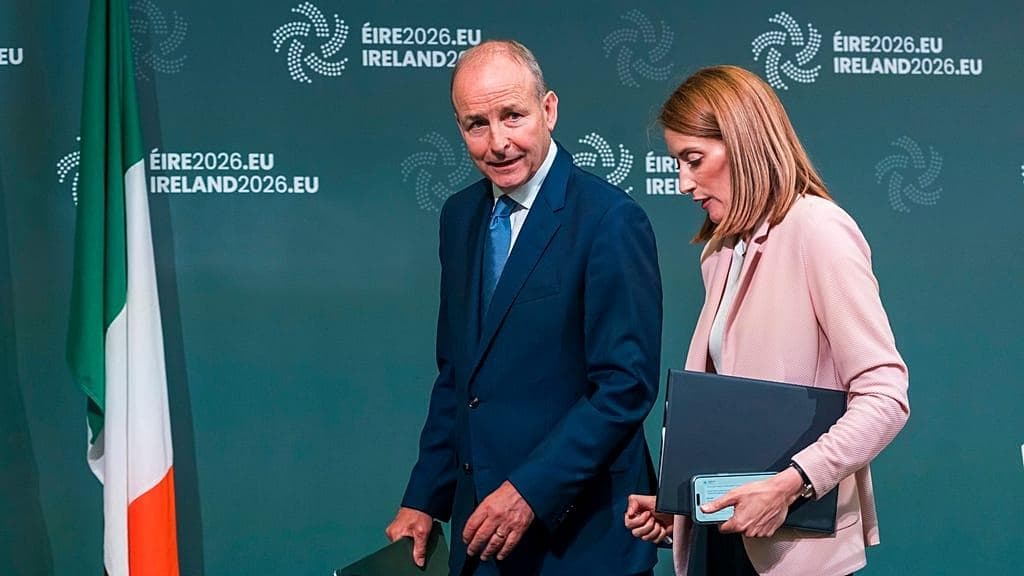
Ireland holds the Council presidency and has told capitals it intends to close the regulation before the year ends, in line with the One Europe, One Market roadmap. That timetable matters beyond Brussels. The ECB has said publicly that it assumes adoption during 2026, and its own schedule hangs off that assumption. The bank closed the preparation phase on 30 October 2025 and moved into the next stage, having built a draft rulebook, picked platform providers including six national central banks, and run an innovation programme with more than seventy banks, fintechs and merchants.
A twelve-month pilot would begin in the second half of 2027 on current plans, with a possible first issuance in 2029. Every month the trilogues slip pushes that chain back, because the ECB will not commit procurement money to a legal framework that does not yet exist.
The political argument underneath all of this has changed shape since 2023. Legislators originally sold the digital euro as a hedge against private stablecoins. They now sell it as payment sovereignty, a way to make sure a European transaction can clear without touching infrastructure supervised in Washington. That framing has won the file friends in capitals that were sceptical, and Parliament’s February 2026 vote of 420 to 158 in favour of advancing the project reflected it.
Sovereignty arguments do not settle holding limits, though. The Parliament’s legislative train still lists the file as open, and negotiators have perhaps four working months to close a gap that two years of technical preparation left exactly where it started.