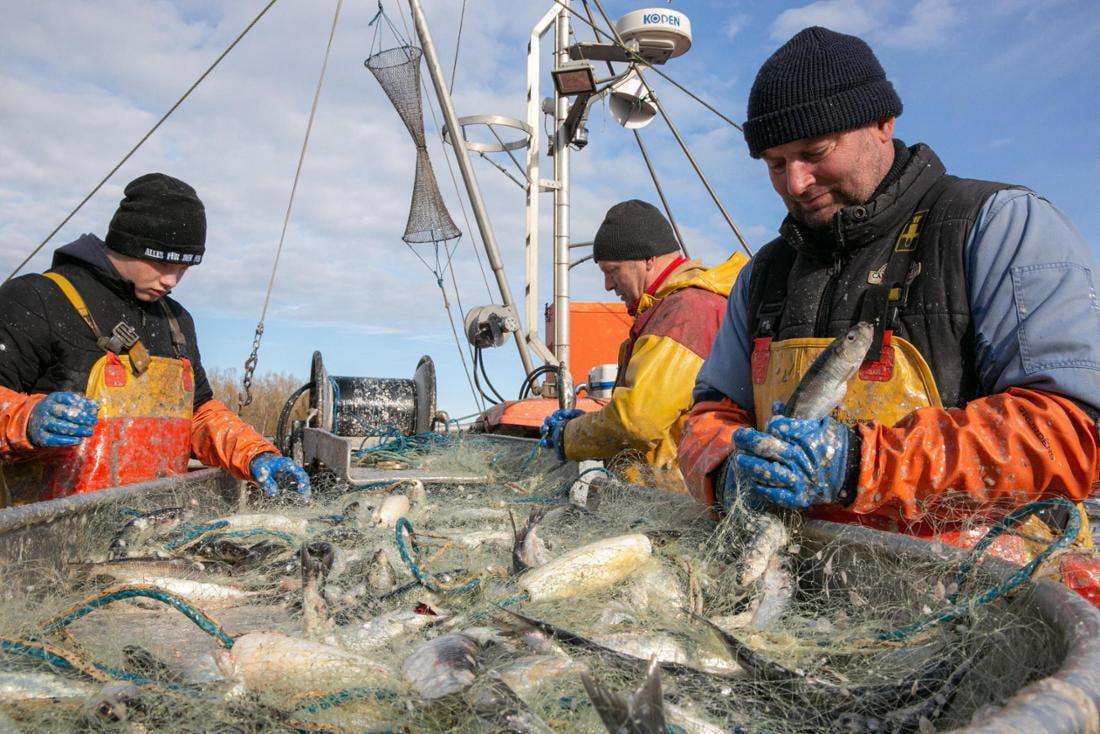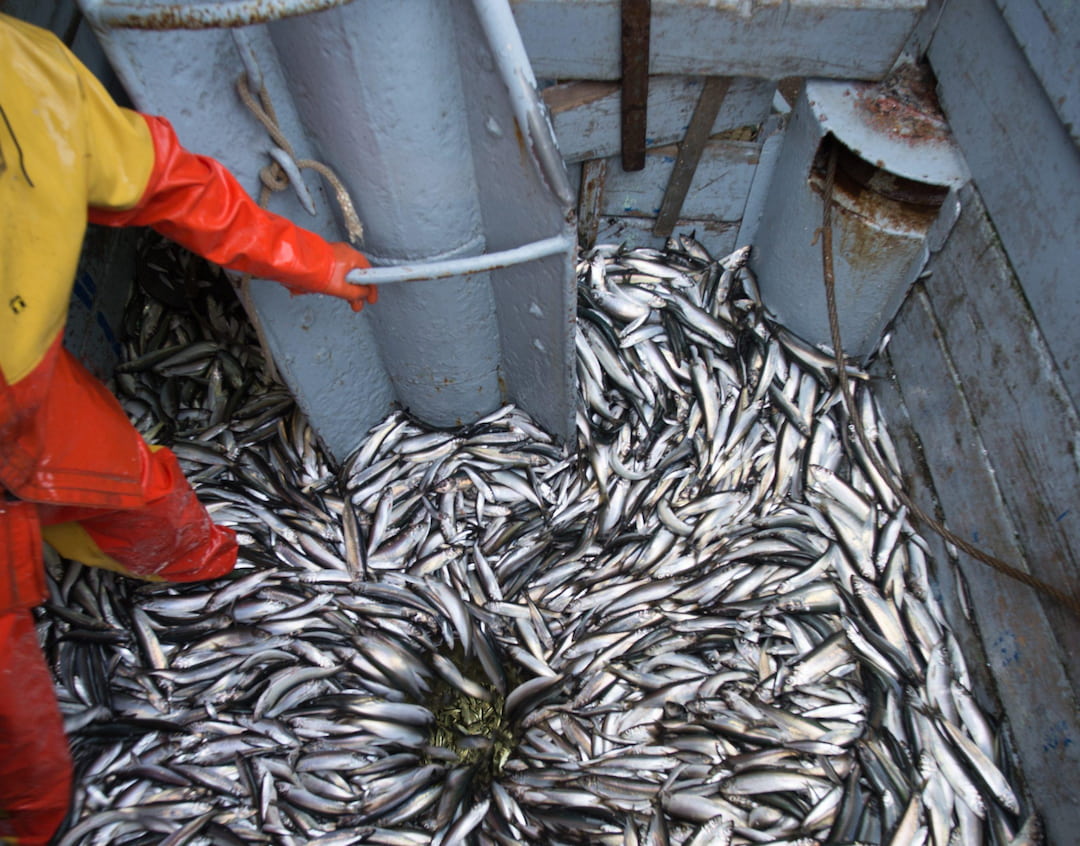
Gdynia: The Baltic fishing quotas for 2027 will raise catches of sprat and central Baltic herring while holding cod to a strict by-catch limit, after EU ministers agreed the catch limits in late October 2026. The Council announced the deal on Monday 26 October, according to a report from the Brussels Times dated 27 October.
Sprat gets the largest boost, with the Baltic fishing quotas rising by 44 percent in line with scientific advice and growth in the stock. Central Baltic herring rises by 71 percent, though the Council says that is still below the level scientists recommended. A three-month spawning-season closure stays in place for that stock.
Other herring stocks move less. The Gulf of Riga allowance grows by 11 percent against 2026, and the Council describes the stock as healthy. Bothnian herring gains 12 percent, with continued restrictions on fishing in shallow coastal waters during reproduction. Western Baltic herring keeps its by-catch limits at 2026 levels, and the existing exemption for small-scale fisheries continues.
Salmon and cod show the caution behind the Baltic fishing quotas. Limits for salmon in the Gulf of Finland and by-catch limits in the main basin stay at 2026 levels, and the summer coastal fishery exemption in subdivisions 29 north, 30 and 31 remains. Recreational salmon fishing is allowed only for reared fish. For eastern and western Baltic cod, ministers kept by-catch-only limits at 2026 levels because the stocks are still in poor condition, and the recreational cod ban across the whole area stays.
Plaice rises by 3 percent. The Council also set a by-catch-only limit of 300 tonnes for Norway pout in the North Sea, after consultation with the United Kingdom.
The reporting names no minister and gives no tonnage for any stock, so the percentages are the main figures available. The Council says the limits rest on advice from the International Council for the Exploration of the Sea, together with environmental and socio-economic considerations.
Formal adoption still lies ahead. The decision goes to a later Council meeting once lawyers finalise the text in all EU languages, and no date has been published. Until then, the Baltic fishing quotas remain an agreement in principle.
For fishing communities, the split outcome is the story. Pelagic fleets gain room to fish in 2027, while cod and salmon communities face another year of tight restrictions, and the Baltic fishing quotas will keep testing how far science-based limits can balance both.