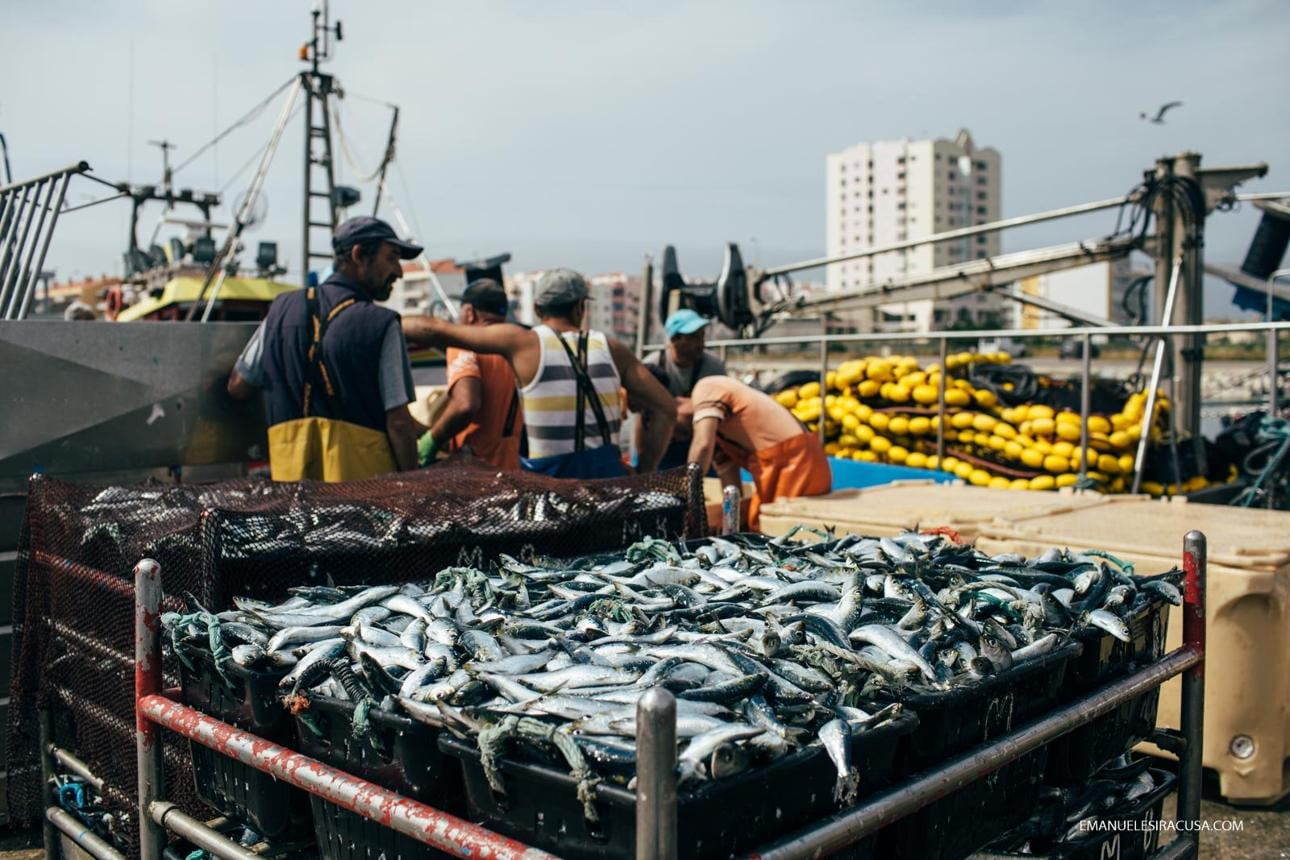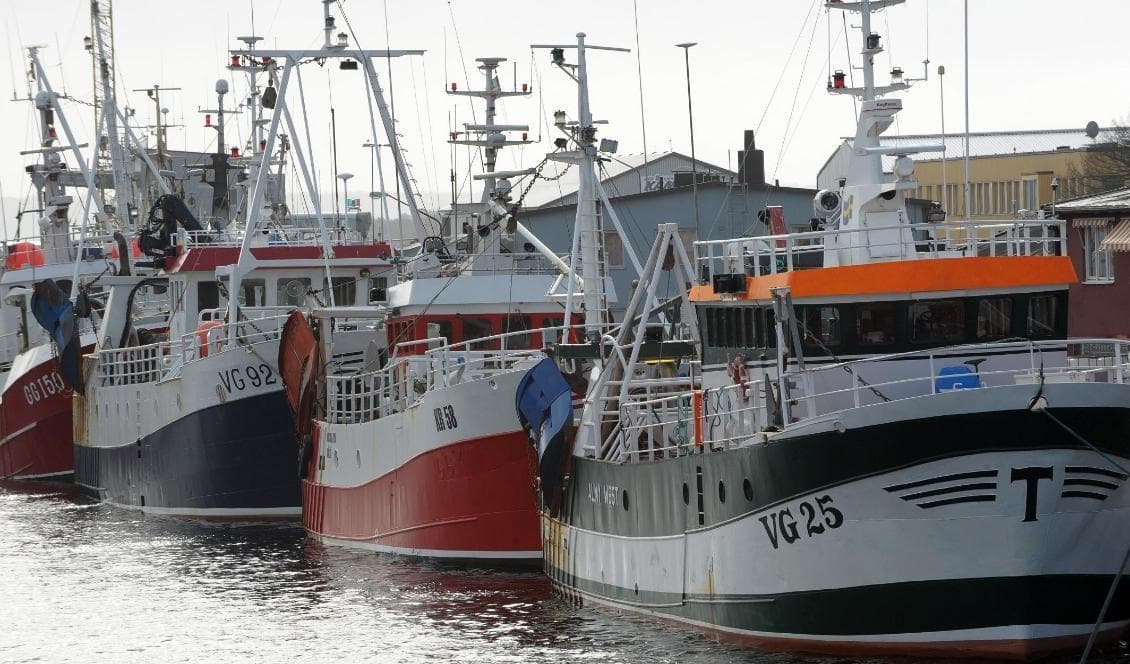
Karlskrona: Swedish skippers reading the Commission’s 2027 Baltic proposal found a rare sentence in their favour. Central Baltic herring would rise 49 percent, sprat 44 percent, Gulf of Riga herring 11 percent and Bothnian herring 3 percent. Then they reached the cod paragraphs.
The Commission adopted the proposal on 24 August, covering ten stocks the Union manages in the Baltic. Western Baltic cod by-catch allowances would fall 88 percent and eastern Baltic cod by-catch 51 percent. Neither stock supports a directed fishery, and neither has for years.
Ministers decide in October. The proposal follows advice from the International Council for the Exploration of the Sea, and recent Councils have mostly tracked that advice in the Baltic, a discipline that took two decades of overfishing to establish.
The herring increases deserve a caveat that press summaries tend to drop. A 49 percent rise restores a fraction of what central Baltic herring lost through the 2020s, when successive cuts followed collapsing recruitment. Fleets that scrapped vessels during those years cannot simply rebuild capacity because one assessment improved.
Cod tells the harder story. Eastern Baltic cod collapsed around 2019 and has not recovered despite a directed-fishery ban. Scientists point to oxygen-depleted water, parasites and shrinking fish size, and none of those respond to quota decisions. Cutting a by-catch allowance halfway to zero manages the accounting rather than the ecosystem.
Environmental groups argue the Commission remains too generous on the pelagic side, warning that herring and sprat feed the same food web the cod needs. Industry replies that a stock scientists describe as improving should support a fishery. Both claims rest on the same advice, read from opposite ends.
A larger question sits behind the annual ritual. The Commission has promised an Ocean Act by the end of 2026, built on a revision of maritime spatial planning and flowing from the European Ocean Pact. That instrument would govern how member states allocate sea space between fishing, wind farms, cables and protection, and the Baltic has less spare water than any other European sea.
Offshore wind expansion already overlaps traditional fishing grounds along the Swedish and Polish coasts. Spatial planning decides that conflict, and quota decisions do not touch it.
October’s Council will nonetheless produce the familiar choreography of overnight talks and a dawn compromise. Expect ministers to soften a cut or two and claim scientific compliance anyway. The last several rounds followed that script.
Karlskrona’s fleet will take the herring increase and plan around the cod restriction, as it has every year since the collapse. The pelagic recovery gives the port a season. It does not give the Baltic a cod fishery.