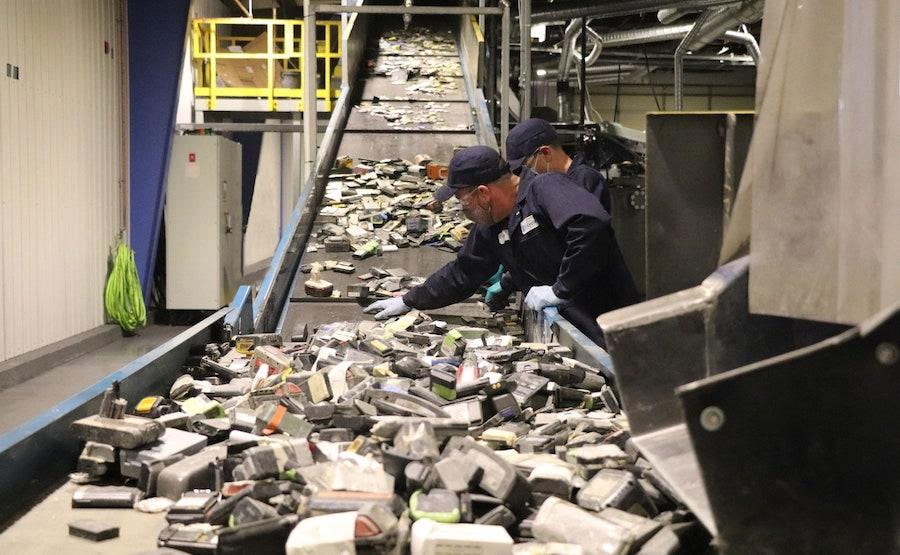
Debrecen: In the Hungarian city where new gigafactories rise beside farmland, Europe’s battery ambitions are colliding with a harder demand, that the industry recycle what it builds. A wave of obligations under the EU Batteries Regulation now lands on producers, and battery recycling has moved from a green aspiration to a legal duty with dates attached.
The regulation governs the whole life of a cell, from the cobalt and lithium dug out of the ground to the moment a dead pack is stripped for parts. Its summary sits on EUR-Lex, but the force lies in the deadlines.
From the start of 2026, producers must register in national schemes and join the organisations that fund collection and treatment. Labelling rules apply this year, and a scannable QR code that carries a battery’s data follows in 2027. The Commission tracks the rollout through its environment service.
Two sets of numbers worry manufacturers most. The first covers recycled content, because new batteries must eventually hold minimum shares of cobalt, lithium, nickel and lead recovered from old ones. The second covers recovery itself, with material-specific targets that climb between 2026 and the early 2030s and force recyclers to pull ever more metal back out of spent cells.
Collection targets tighten in parallel. The rate for portable batteries rises toward 63 percent across the Union by the end of 2027 and 73 percent by 2030, a steep climb from today’s uneven national performance. Countries that lag will need new drop-off networks and sharper consumer nudges to close the gap.
For a city like Debrecen, the rules cut both ways. The plants arriving to serve Europe’s carmakers gain a guaranteed home market for cleaner cells, yet they must also prove their supply chains meet the content thresholds and that end-of-life packs flow back into certified recycling rather than landfill.
The strategic case is plain. Europe imports most of its battery metals and wants to lean less on distant mines and single suppliers. Recovering lithium and cobalt from scrap turns waste into a domestic source of critical raw materials, softening the exposure that has unsettled policymakers since supply shocks began to bite.
Recyclers, though, need feedstock and certainty. The economics of a recycling plant depend on a steady stream of used batteries and stable rules on how recovered material counts toward the targets. Investors have complained that some technical standards arrived slowly, leaving projects to guess at the fine print.
Carmakers pass the pressure down their chains. A vehicle maker that must hit recycled-content shares will demand proof from cell suppliers, who in turn lean on miners and refiners. The regulation therefore reshapes commercial relationships well beyond the recycling yard.
The test now is enforcement. Targets on paper mean little without national inspectors, working registers and penalties that bite. Europe has written the most detailed battery rulebook in the world, and Debrecen and dozens of towns like it will show whether the continent can make the metal go round.