September 18, 2026
LATEST
Riyadh Gets a Summit Date Before the Gulf Trade Text Is WrittenMontenegro Has Fifteen Chapters and Six Months Left to Close ThemPyongyang Earns European Salaries Through Staff Nobody Ever MetNew Zealand Is the Partner Europe Talks To but Has Not SignedIndonesia Wants an October Signature Europe Has Not ScheduledNine Parliaments Still Stand Between Hanoi and Its Investment PactMEPs Back a Democracy Shield That Still Lacks a Legal ActWhy Due Cause Rarely Saves a Political Parody in CourtErasmus Budget Heads for an October Vote With Its Shares UnsettledEurope’s Pharma Package Waits on One Final Parliament Vote in AutumnCouncil Must Sign Off Five Defence Projects Before EDIP Pays OutInvestors Bid 152 Billion for 11 Billion of EU-BondsEgypt’s Macro-Financial Assistance Nears Its Most Political PaymentGreen Hydrogen Gets Fifty-Eight Million of a Twelve-Billion PledgeFerronickel Supply Puts a Chinese Mining Deal in DoubtEU Solidarity Fund Sends 489 Million After Winter StormsForeign Money Now Faces One Screening Rulebook Across the UnionFinland Entered the Deficit List While Nine Older Cases WaitMember States Must Now Criminalise the Abuse of Public OfficePaperless Trade Is the Part of the Singapore Deal That BitesRiyadh Gets a Summit Date Before the Gulf Trade Text Is WrittenMontenegro Has Fifteen Chapters and Six Months Left to Close ThemPyongyang Earns European Salaries Through Staff Nobody Ever MetNew Zealand Is the Partner Europe Talks To but Has Not SignedIndonesia Wants an October Signature Europe Has Not ScheduledNine Parliaments Still Stand Between Hanoi and Its Investment PactMEPs Back a Democracy Shield That Still Lacks a Legal ActWhy Due Cause Rarely Saves a Political Parody in CourtErasmus Budget Heads for an October Vote With Its Shares UnsettledEurope’s Pharma Package Waits on One Final Parliament Vote in AutumnCouncil Must Sign Off Five Defence Projects Before EDIP Pays OutInvestors Bid 152 Billion for 11 Billion of EU-BondsEgypt’s Macro-Financial Assistance Nears Its Most Political PaymentGreen Hydrogen Gets Fifty-Eight Million of a Twelve-Billion PledgeFerronickel Supply Puts a Chinese Mining Deal in DoubtEU Solidarity Fund Sends 489 Million After Winter StormsForeign Money Now Faces One Screening Rulebook Across the UnionFinland Entered the Deficit List While Nine Older Cases WaitMember States Must Now Criminalise the Abuse of Public OfficePaperless Trade Is the Part of the Singapore Deal That Bites
September 18, 2026
LATEST
Riyadh Gets a Summit Date Before the Gulf Trade Text Is WrittenMontenegro Has Fifteen Chapters and Six Months Left to Close ThemPyongyang Earns European Salaries Through Staff Nobody Ever MetNew Zealand Is the Partner Europe Talks To but Has Not SignedIndonesia Wants an October Signature Europe Has Not ScheduledNine Parliaments Still Stand Between Hanoi and Its Investment PactMEPs Back a Democracy Shield That Still Lacks a Legal ActWhy Due Cause Rarely Saves a Political Parody in CourtErasmus Budget Heads for an October Vote With Its Shares UnsettledEurope’s Pharma Package Waits on One Final Parliament Vote in AutumnCouncil Must Sign Off Five Defence Projects Before EDIP Pays OutInvestors Bid 152 Billion for 11 Billion of EU-BondsEgypt’s Macro-Financial Assistance Nears Its Most Political PaymentGreen Hydrogen Gets Fifty-Eight Million of a Twelve-Billion PledgeFerronickel Supply Puts a Chinese Mining Deal in DoubtEU Solidarity Fund Sends 489 Million After Winter StormsForeign Money Now Faces One Screening Rulebook Across the UnionFinland Entered the Deficit List While Nine Older Cases WaitMember States Must Now Criminalise the Abuse of Public OfficePaperless Trade Is the Part of the Singapore Deal That BitesRiyadh Gets a Summit Date Before the Gulf Trade Text Is WrittenMontenegro Has Fifteen Chapters and Six Months Left to Close ThemPyongyang Earns European Salaries Through Staff Nobody Ever MetNew Zealand Is the Partner Europe Talks To but Has Not SignedIndonesia Wants an October Signature Europe Has Not ScheduledNine Parliaments Still Stand Between Hanoi and Its Investment PactMEPs Back a Democracy Shield That Still Lacks a Legal ActWhy Due Cause Rarely Saves a Political Parody in CourtErasmus Budget Heads for an October Vote With Its Shares UnsettledEurope’s Pharma Package Waits on One Final Parliament Vote in AutumnCouncil Must Sign Off Five Defence Projects Before EDIP Pays OutInvestors Bid 152 Billion for 11 Billion of EU-BondsEgypt’s Macro-Financial Assistance Nears Its Most Political PaymentGreen Hydrogen Gets Fifty-Eight Million of a Twelve-Billion PledgeFerronickel Supply Puts a Chinese Mining Deal in DoubtEU Solidarity Fund Sends 489 Million After Winter StormsForeign Money Now Faces One Screening Rulebook Across the UnionFinland Entered the Deficit List While Nine Older Cases WaitMember States Must Now Criminalise the Abuse of Public OfficePaperless Trade Is the Part of the Singapore Deal That Bites

Capitals Left Almost 250 Billion in Energy Money Untouched

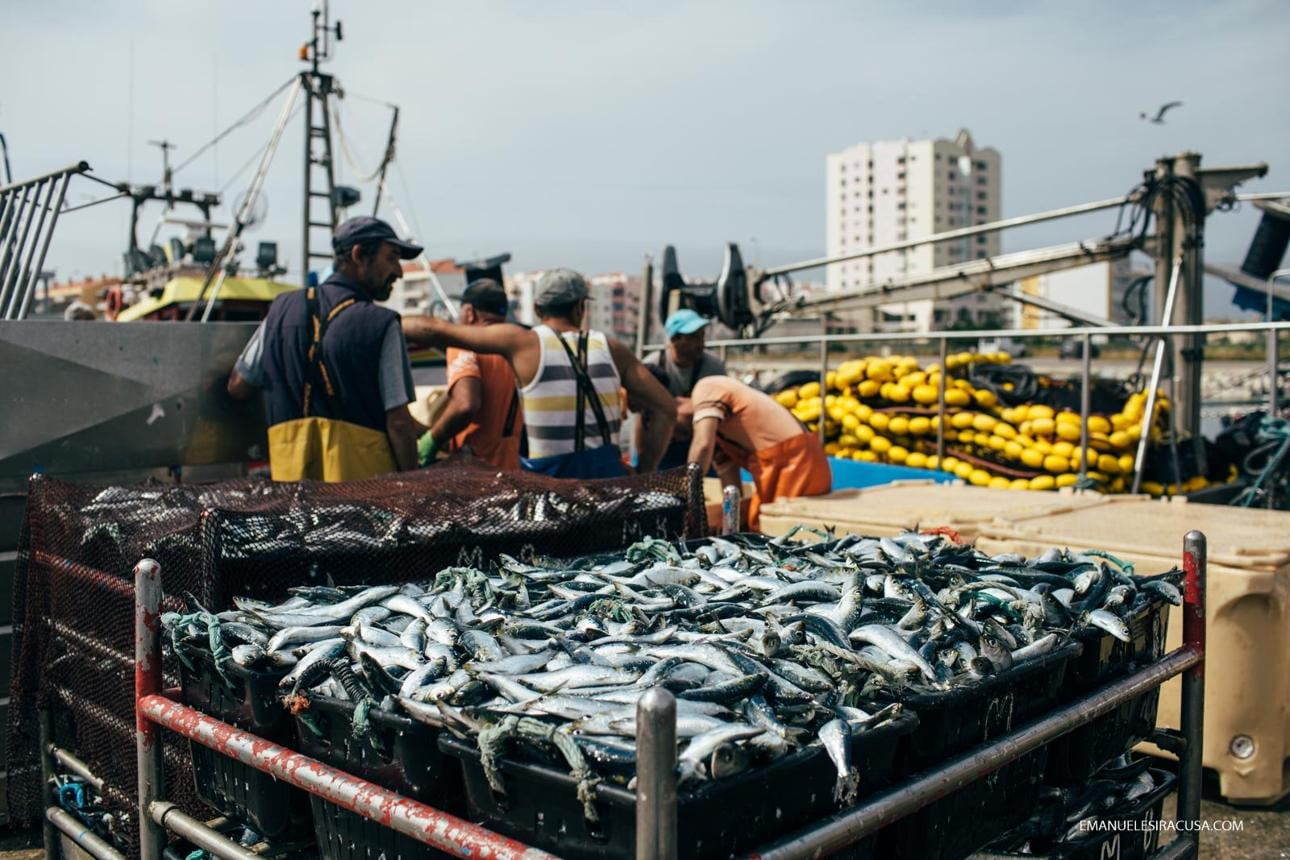
Sines: The Portuguese terminal that receives liquefied gas on the Atlantic coast became, briefly, a symbol of how quickly Europe could reroute its energy supply. Auditors have now measured how much of that ambition turned into spending, and the answer is roughly a sixth.

The European Court of Auditors published its assessment of the REPowerEU plan on 9 September. The plan launched in 2022 to end dependence on Russian fossil fuels and accelerate the clean energy transition. The report concludes that implementation needs a substantial boost and identifies the reason in plain terms.

Member states allocated 54.3 billion euros of the roughly 300 billion the recovery fund made available for the purpose. That leaves close to 250 billion unclaimed against objectives every government endorsed at the time. Auditors describe European funding as playing only a minor role in ending reliance on Russian oil and gas.

The plan set a target of 103 gigawatts of additional renewable capacity. The Union installed more than 200 gigawatts of solar and wind between 2022 and 2024, which looks like overachievement until the attribution question arrives. Auditors found the share traceable to REPowerEU actions to be minimal. Falling equipment costs, national subsidy schemes and high gas prices did the work.

That distinction matters more than it sounds. If European money did not drive the build-out, then the build-out will follow market conditions rather than policy when conditions change, and conditions have changed. Solar installation rates slowed across several markets last year as wholesale prices fell and grid connection queues lengthened.

Governance drew the sharpest criticism. REPowerEU worked through national recovery plans, which meant each capital chose its own measures and reported against its own milestones. Auditors found that national energy and climate plans do not properly reflect the plan’s objectives, leaving no instrument that could steer implementation once the initial emergency passed.

Cross-border infrastructure shows the consequence. Interconnection between national grids remains the binding constraint on moving renewable power from where it is generated to where it is consumed, and it is precisely the category of investment that no single member state has an incentive to fund. A design that delegates the choice to capitals will underinvest there predictably.

The Commission disputes part of the framing. Officials argue that Russian pipeline gas fell from about 45 percent of imports to under 10 percent, that the objective was met whatever the funding attribution shows, and that emergency instruments deserve judgement on outcomes rather than disbursement rates. The auditors’ answer is that replacing Russian pipeline gas with American and Qatari liquefied cargoes substitutes one dependency for another unless demand falls.

Demand is the unresolved half. The plan assumed energy savings alongside supply diversification, and savings have come mostly from industrial output that never recovered rather than from efficiency investment. A chemical plant that closed consumes nothing, which improves the statistics and weakens the economy.

Parliament’s budgetary control committee will take the report this autumn, and the findings arrive as negotiators argue about the energy headings in the next long-term budget. Auditors rarely change a policy directly. They supply the numbers that the people arguing about it then use.