Antwerp: The European Union’s most ambitious attempt to export its climate policy has stopped being a paperwork exercise and started costing money. Since the first of January the Carbon Border Adjustment Mechanism has been in its definitive phase, which means importers of steel, cement, aluminium, fertilisers, electricity and hydrogen no longer merely report the emissions embedded in their goods. They must now buy certificates to cover them, at a price pegged to what domestic industry pays under the bloc’s emissions trading system.
The logic has been years in the making. European manufacturers already shoulder a carbon price on their own output, and the fear has long been that stricter climate rules would simply push production to jurisdictions with laxer standards, a phenomenon known as carbon leakage. By charging imports the same carbon cost that home producers bear, the mechanism is meant to close that gap and remove the incentive to relocate smokestacks beyond the bloc’s borders while claiming a cleaner ledger at home.
The machinery is deliberately gated. Only firms granted the status of authorised declarant may bring covered goods into the union, and the threshold for entering the regime has been set at fifty tonnes of imports, sparing the smallest occasional buyers. Certificates are purchased from national authorities in the country where the importer is established, and their price tracks the auction value of emissions allowances, averaged over each quarter this year before moving to a weekly benchmark from 2027. The design ties the border levy tightly to the fluctuating domestic carbon market rather than fixing an arbitrary tariff.
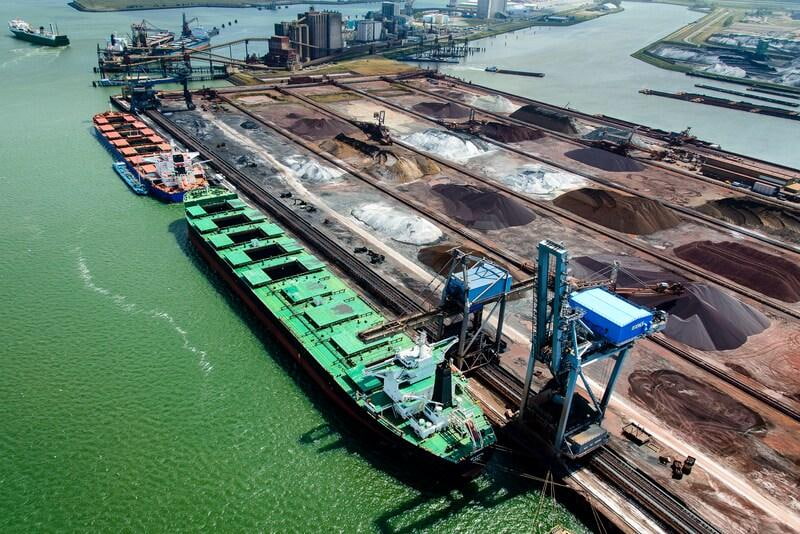
For the port cities and industrial belts that handle the bloc’s raw material trade, the shift is more than administrative. Buyers of foreign steel and aluminium must now trace the carbon footprint of their supply chains with a precision most had never attempted, chasing emissions data from mills in countries that may keep no such records. Where verified figures are missing, default values apply, and those defaults are calibrated to be unforgiving, giving suppliers a strong incentive to measure and disclose rather than accept a punitive estimate.
Trading partners have watched with mounting irritation. Governments from developing economies argue the mechanism amounts to a green tariff that offloads the cost of European climate ambition onto poorer exporters, and some have hinted at challenges through global trade bodies. Brussels counters that the levy is non-discriminatory by design, since it mirrors the carbon price already paid inside the bloc and credits any carbon cost an exporter has already met at home. That symmetry is the legal shield on which the whole edifice rests. The coming test is administrative endurance: importers must surrender enough certificates to match their declared emissions by an annual deadline, and free allowances to domestic industry taper as the border charge climbs. Whether it curbs leakage or merely reroutes trade will take years of customs data to judge, but the era of costless reporting is over.