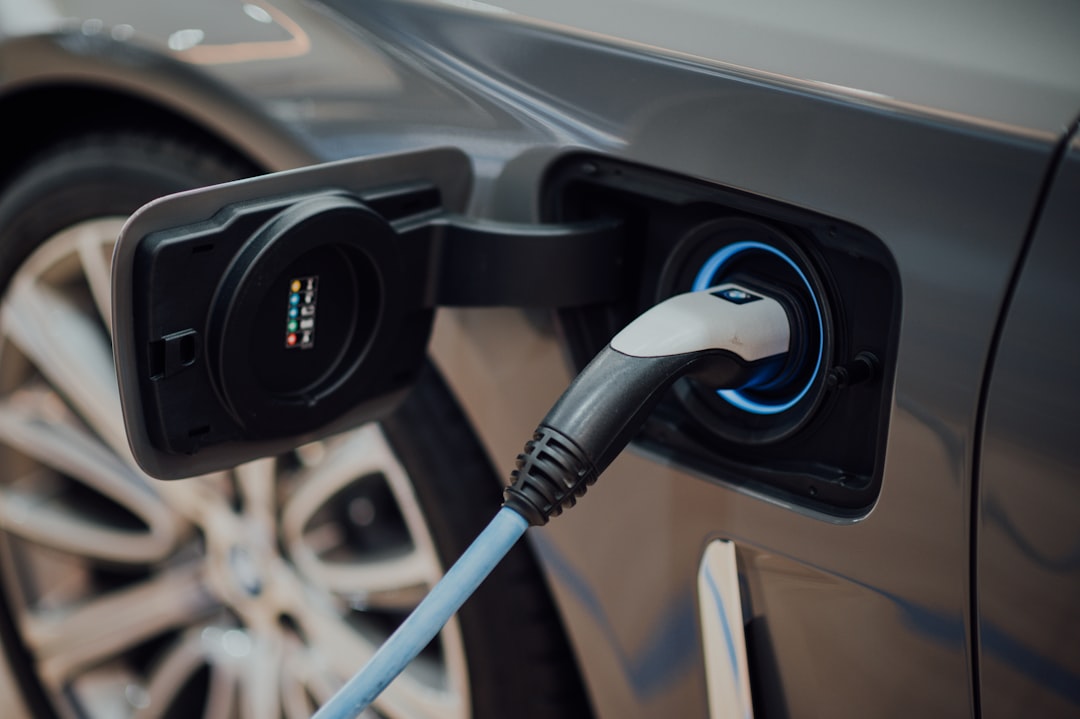
Stuttgart: The promise behind Europe’s electric-vehicle rollout has always been freedom of movement, the idea that a driver could cross the continent without fretting over where the next charge will come from. Turning that promise into something dependable depends less on the sheer number of chargers than on whether the data describing them flows in a form everyone can read, and a quietly significant deadline this spring pushed the bloc closer to that goal. Under the alternative fuels infrastructure regulation, operators of public charging points have had to make their data available in the standardised DATEX II format since the middle of April.
The shift sounds technical, and it is, but the consequences are felt at the dashboard. The regulation requires operators to publish a defined set of information about their charging points, covering matters such as location, availability and pricing. Until now that data could circulate in whatever shape a given operator preferred, which left navigation apps, route planners and in-car systems struggling to stitch a coherent picture together from incompatible feeds. By mandating a common standard, the rule means a driver’s mapping software can in principle show reliable, up-to-date information about chargers run by dozens of different companies across borders.
The data rule is one strand of a broader regulation that has steadily reshaped the charging experience. Since it came into force two years ago, newly installed public stations capable of delivering fifty kilowatts or more have been required to accept ordinary payment cards, ending the era in which a motorist needed a separate app or subscription for every network. That simple change, contactless payment at fast chargers, addressed one of the most common frustrations voiced by drivers wary of switching away from petrol and diesel.
The regulation also sets out the harder physical task of building a network dense enough to carry the coming wave of electric traffic. It establishes coverage targets along the bloc’s main transport corridors, and looks ahead to heavy goods vehicles, requiring that charging stations suitable for electric trucks be available at regular intervals, roughly every hundred and twenty kilometres along the core highway network, by the end of the decade. Electrifying freight is widely seen as one of the steeper climbs in transport decarbonisation, and the infrastructure has to arrive before the trucks will.
The interplay between hardware and data is where the policy gets its force. Building chargers is expensive and slow, but underused capacity is its own kind of waste, and accurate real-time information helps drivers find the chargers that already exist rather than queueing at a busy site while others sit idle a few exits away. Standardised data, in that sense, stretches the value of every euro spent on physical equipment.
For operators the immediate work is compliance: feeding location, availability and pricing into the common format and keeping it current, since stale data can be worse than none at all. For drivers the payoff should be gradual and cumulative, a charging landscape that grows not only larger but more legible. The deadline has passed, the standard is set, and the long project of making electric travel feel as effortless as filling a tank has taken another step.