Lille: The quiet French city chosen to host Europe’s first central customs body has become the emblem of an overhaul six decades in the making. From 1 July, EU customs rules changed the economics of cheap cross-border shopping, and the reform now taking shape runs far deeper than a single levy.
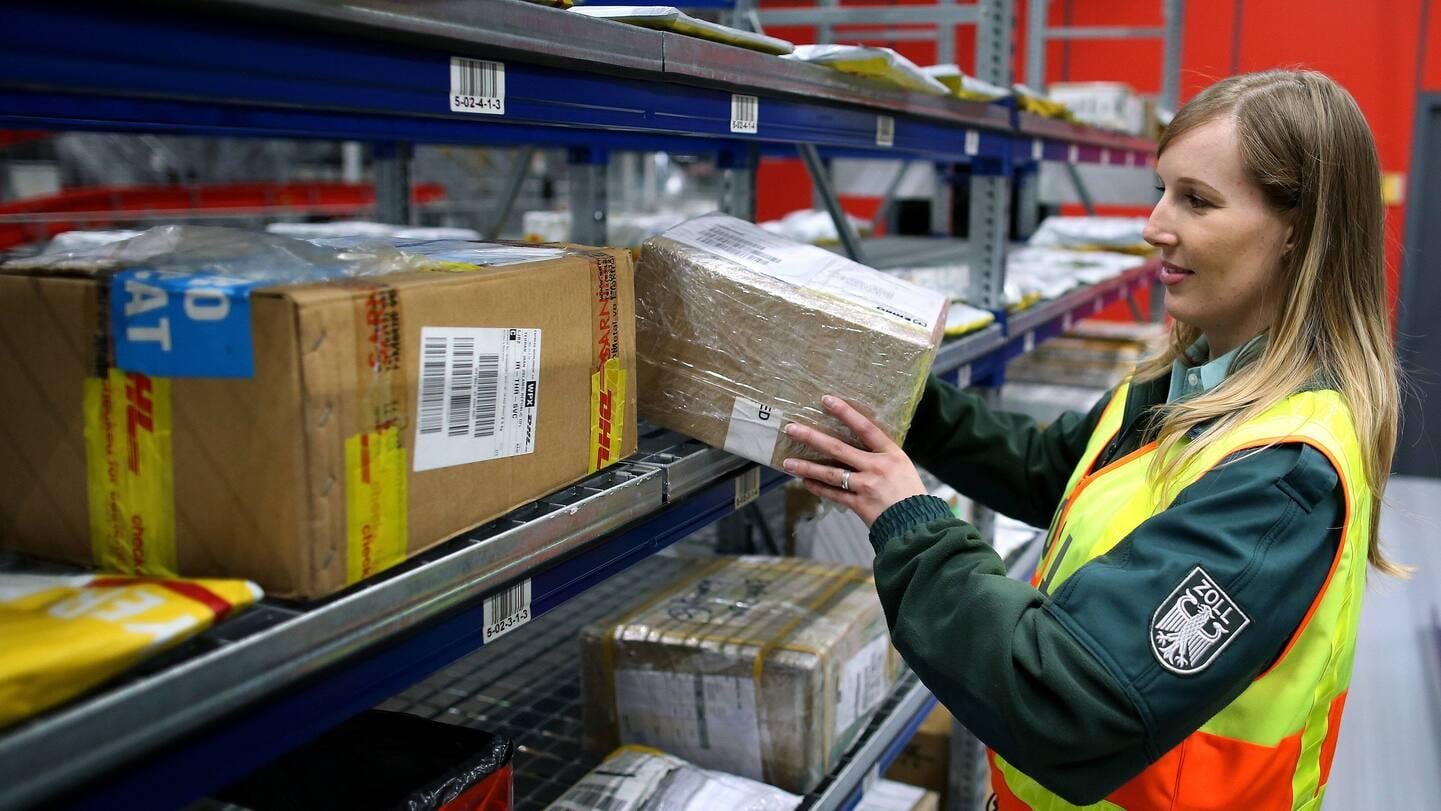
The headline measure hits parcels directly. The Council scrapped the long-standing exemption that let goods worth under 150 euros enter duty-free, replacing it with a temporary charge of 3 euros per item that will run until mid-2028. Fast-fashion and low-cost electronics platforms built entire business models around that loophole, and its removal lands squarely on them.
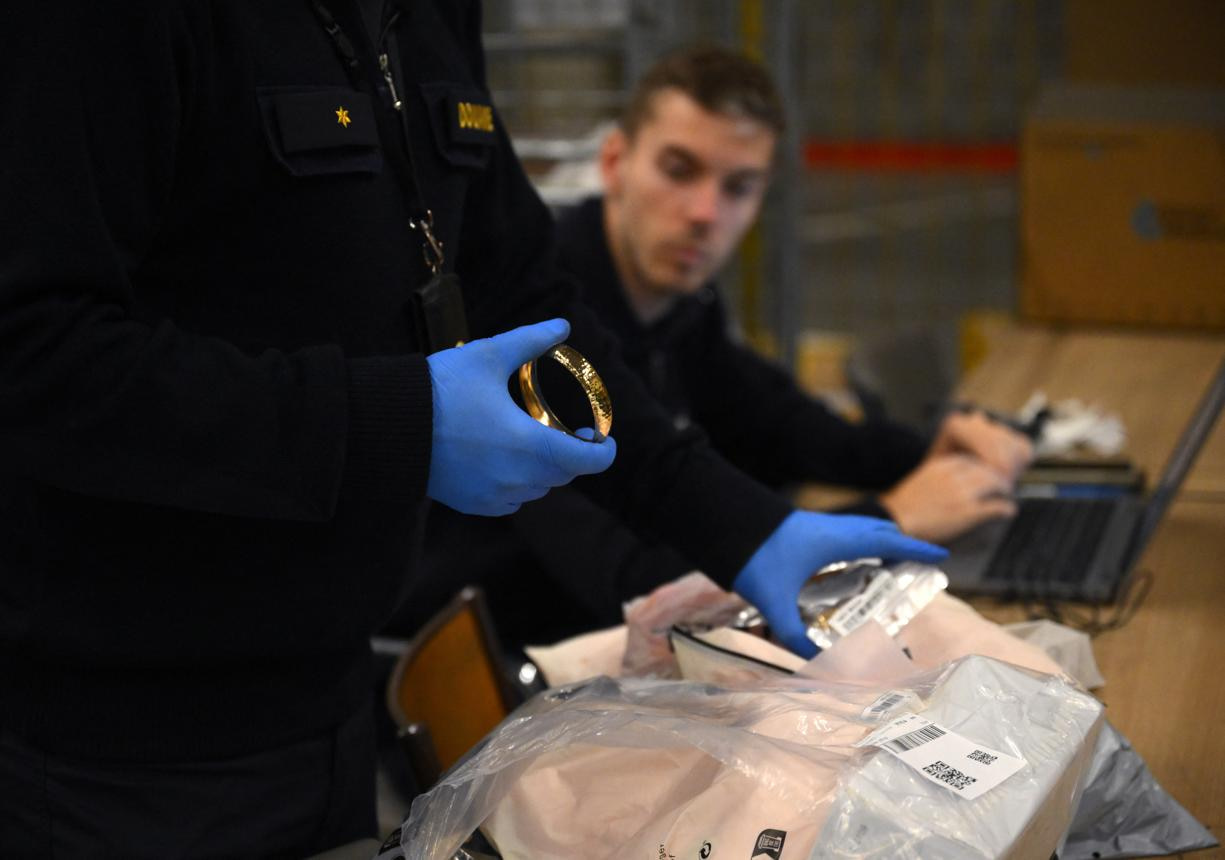
Behind the parcel charge sits a structural change. Negotiators from the Parliament and the Council agreed in March on the most ambitious rewrite of the EU customs framework since the Customs Union was founded in 1968. At its centre stands a new EU Customs Authority, based in Lille, that will coordinate risk analysis, harmonise how national officers screen imports, and run the systems member states currently duplicate twenty-seven times over.
The authority will manage a single Customs Data Hub, a shared engine that gathers information on goods before they reach the border. Officials expect it to replace the tangle of national IT systems and save administrations as much as 2 billion euros a year once it runs fully. The hub opens to e-commerce traffic in 2028 and expands to cover all goods movements by 2034.
For online marketplaces, the reform ends years of light-touch treatment. Platforms will carry legal responsibility for ensuring duties and VAT are paid on the goods they list, turning them from passive intermediaries into the deemed importers who answer for compliance. That shift, more than the 3-euro charge, worries the sector most.
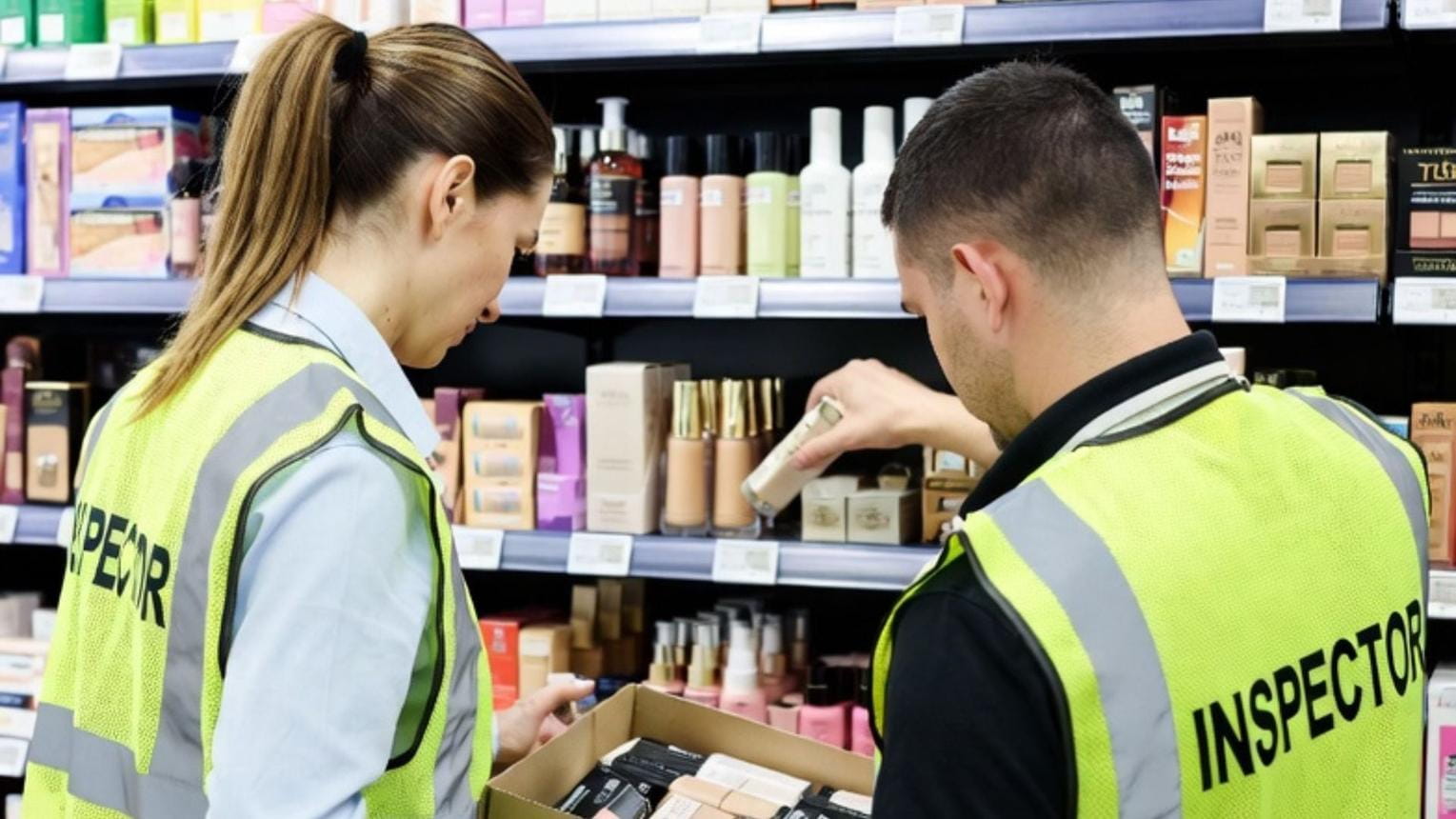
Consumer groups broadly welcome the change. They argue that a flood of untaxed, unchecked parcels undercut European retailers and let unsafe products slip through. The Council frames the package as a way to protect both the single market and public safety without choking legitimate trade.
Critics counter that the transition will prove messy. Small importers fear paperwork they cannot absorb, and logistics firms warn that customs staff need years and money to make the data hub work as promised. The phased timeline, stretching to 2034, reflects how much still has to be built before the promise becomes routine.
What arrives now is only the first, most visible step. The parcel charge signals to shoppers that the era of frictionless bargain imports is closing, while the deeper machinery of a modern customs union assembles slowly in the background.