August 9, 2026
LATEST
New EU Gas Market Rules Take Effect With Consumer SafeguardsDeforestation Regulation Holds Its December Deadline Despite CutsDigital Omnibus Delays Europe’s High-Risk AI Deadline to 2027Europe’s Schools Confront a Widening Basic Skills GapRule of Law Report Finds Progress but Trust Still LagsIRIS2 Gains 66 Satellites as Brussels Signs the Rollout DealNature Restoration Plans Come Due as Member States Race a DeadlineECB Rates Hold at 2.25 Percent as Frankfurt Waits on the DataEU Budget Talks Turn to Cohesion as Ireland Takes OverWildfire Response Stretches Europe’s Emergency Fleet ThinCan Europe’s Quantum Plan Match Its Big Ambitions?Armenia Edges West as Moscow’s Grip Slips AwayEurope Inherits the World’s Aid Bill It Cannot Fully PayAir Passenger Rights Get Their First Overhaul in Two DecadesErasmus Opens a 5 Billion Euro Round for Skills and MobilityCeuta Crisis Pushes the EU Toward Faster Migrant ReturnsBulky Parcels Face a Packaging Crackdown From August 12Can Europe Build Its Drone Wall Before 2030 Arrives?Indonesia’s Trade Deal With Europe Nears Its Final SignatureEurope Leans on Beijing to Keep Climate Talks Alive Before AntalyaNew EU Gas Market Rules Take Effect With Consumer SafeguardsDeforestation Regulation Holds Its December Deadline Despite CutsDigital Omnibus Delays Europe’s High-Risk AI Deadline to 2027Europe’s Schools Confront a Widening Basic Skills GapRule of Law Report Finds Progress but Trust Still LagsIRIS2 Gains 66 Satellites as Brussels Signs the Rollout DealNature Restoration Plans Come Due as Member States Race a DeadlineECB Rates Hold at 2.25 Percent as Frankfurt Waits on the DataEU Budget Talks Turn to Cohesion as Ireland Takes OverWildfire Response Stretches Europe’s Emergency Fleet ThinCan Europe’s Quantum Plan Match Its Big Ambitions?Armenia Edges West as Moscow’s Grip Slips AwayEurope Inherits the World’s Aid Bill It Cannot Fully PayAir Passenger Rights Get Their First Overhaul in Two DecadesErasmus Opens a 5 Billion Euro Round for Skills and MobilityCeuta Crisis Pushes the EU Toward Faster Migrant ReturnsBulky Parcels Face a Packaging Crackdown From August 12Can Europe Build Its Drone Wall Before 2030 Arrives?Indonesia’s Trade Deal With Europe Nears Its Final SignatureEurope Leans on Beijing to Keep Climate Talks Alive Before Antalya
August 9, 2026
LATEST
New EU Gas Market Rules Take Effect With Consumer SafeguardsDeforestation Regulation Holds Its December Deadline Despite CutsDigital Omnibus Delays Europe’s High-Risk AI Deadline to 2027Europe’s Schools Confront a Widening Basic Skills GapRule of Law Report Finds Progress but Trust Still LagsIRIS2 Gains 66 Satellites as Brussels Signs the Rollout DealNature Restoration Plans Come Due as Member States Race a DeadlineECB Rates Hold at 2.25 Percent as Frankfurt Waits on the DataEU Budget Talks Turn to Cohesion as Ireland Takes OverWildfire Response Stretches Europe’s Emergency Fleet ThinCan Europe’s Quantum Plan Match Its Big Ambitions?Armenia Edges West as Moscow’s Grip Slips AwayEurope Inherits the World’s Aid Bill It Cannot Fully PayAir Passenger Rights Get Their First Overhaul in Two DecadesErasmus Opens a 5 Billion Euro Round for Skills and MobilityCeuta Crisis Pushes the EU Toward Faster Migrant ReturnsBulky Parcels Face a Packaging Crackdown From August 12Can Europe Build Its Drone Wall Before 2030 Arrives?Indonesia’s Trade Deal With Europe Nears Its Final SignatureEurope Leans on Beijing to Keep Climate Talks Alive Before AntalyaNew EU Gas Market Rules Take Effect With Consumer SafeguardsDeforestation Regulation Holds Its December Deadline Despite CutsDigital Omnibus Delays Europe’s High-Risk AI Deadline to 2027Europe’s Schools Confront a Widening Basic Skills GapRule of Law Report Finds Progress but Trust Still LagsIRIS2 Gains 66 Satellites as Brussels Signs the Rollout DealNature Restoration Plans Come Due as Member States Race a DeadlineECB Rates Hold at 2.25 Percent as Frankfurt Waits on the DataEU Budget Talks Turn to Cohesion as Ireland Takes OverWildfire Response Stretches Europe’s Emergency Fleet ThinCan Europe’s Quantum Plan Match Its Big Ambitions?Armenia Edges West as Moscow’s Grip Slips AwayEurope Inherits the World’s Aid Bill It Cannot Fully PayAir Passenger Rights Get Their First Overhaul in Two DecadesErasmus Opens a 5 Billion Euro Round for Skills and MobilityCeuta Crisis Pushes the EU Toward Faster Migrant ReturnsBulky Parcels Face a Packaging Crackdown From August 12Can Europe Build Its Drone Wall Before 2030 Arrives?Indonesia’s Trade Deal With Europe Nears Its Final SignatureEurope Leans on Beijing to Keep Climate Talks Alive Before Antalya

Cheap Parcels From Abroad Lose Their Tax-Free Pass This Summer

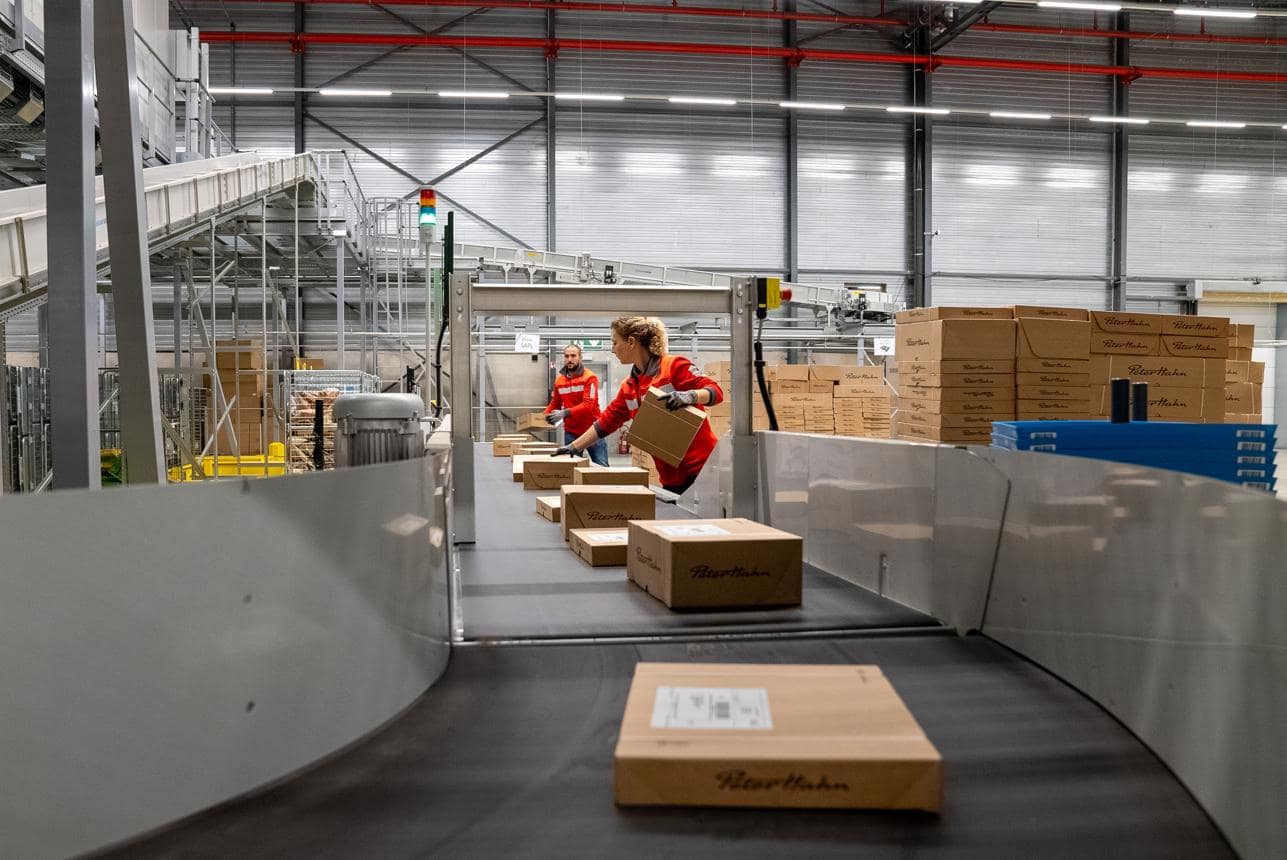
Liège: Inside the cavernous sorting halls that funnel millions of small packages into the European market every week, the rhythm of cross-border commerce is about to change. From 1 July the bloc will scrap the long-standing rule that let goods worth less than 150 euros enter free of customs duty, a threshold that for years made it cheaper to ship a phone case from a distant warehouse than to buy one down the street.

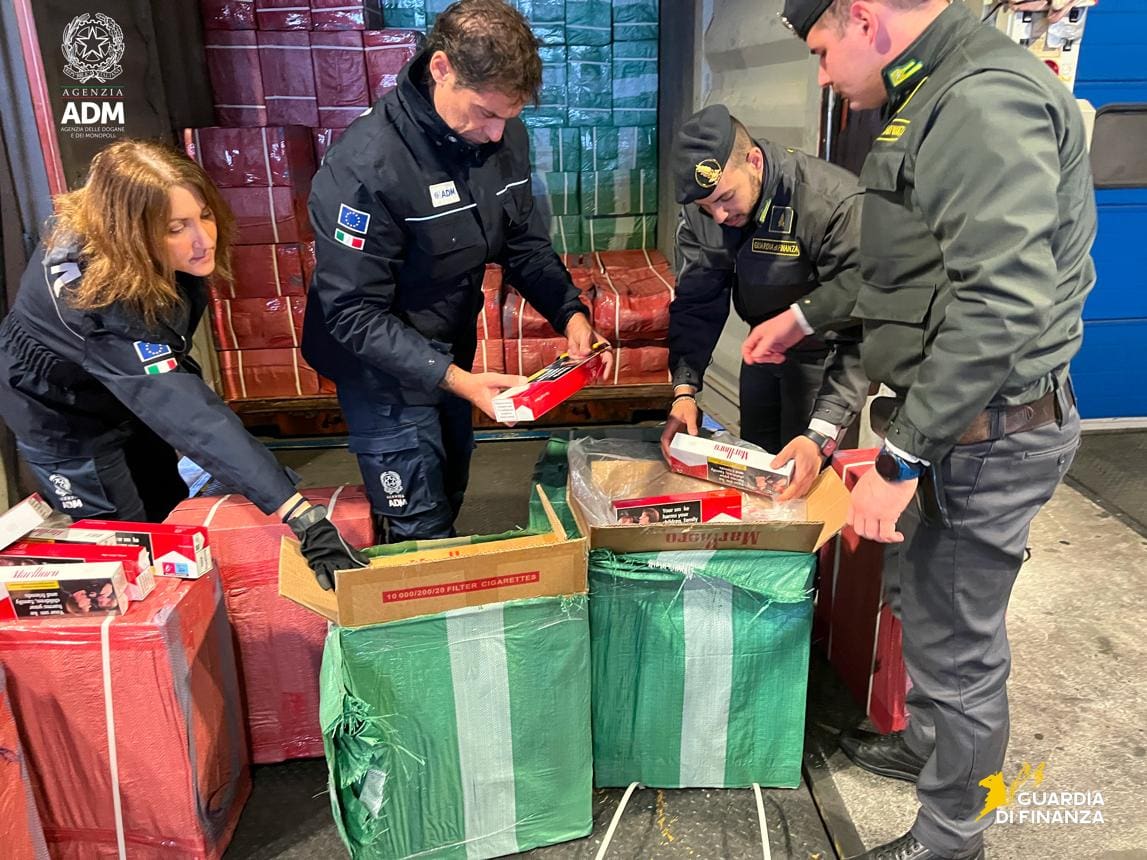
The Commission set out the mechanics on 2 June, publishing guidance notes for an interim flat levy of three euros on each low-value item arriving from outside the customs territory. The charge is calculated per item classification rather than per box, a design meant to stop sellers from bundling dozens of unrelated goods into a single declaration to dilute the cost. Officials estimate the measure will touch the overwhelming majority of the parcels that now flood in under the duty-free ceiling, a flow that has swelled to billions of consignments a year.

The logic is part fiscal, part competitive. National treasuries have watched duty revenue leak away as the volume of tiny shipments exploded, while European retailers complained that they were undercut by rivals who faced neither the same tariffs nor the same product-safety scrutiny. By pricing in a modest charge on each item, the bloc hopes to level a field that had tilted sharply toward operators registered through the Import One-Stop Shop, the simplified scheme that handles the bulk of these imports.

For logistics operators clustered around freight hubs like this one, the change lands as an operational headache as much as a policy shift. Customs brokers must reclassify torrents of goods by tariff code, recalibrate their declaration software and brace for disputes over how a multi-part order should be counted. Carriers warn that the first weeks could bring delays as systems adjust, and that the cost, however small per parcel, will ultimately be passed to the consumer at checkout.

The three-euro duty is explicitly a stopgap. It bridges the gap until the broader customs overhaul planned for 2028, when a centralised data hub is meant to bring low-value imports under the standard tariff regime rather than a flat improvised charge. In the meantime, a separate handling fee of two euros per declaration line is expected to follow in November, pushing the combined bill toward five euros once both elements are in force.

Consumer advocates are divided. Some welcome tighter oversight of goods that often slipped through with little inspection, arguing that cheap imports masked real costs in safety, environmental damage and lost tax. Others worry the charge is regressive, falling hardest on households that rely on inexpensive online shopping and offering little benefit if enforcement remains patchy across twenty-seven national administrations.

What is not in doubt is the scale of the adjustment. A trade in tiny packages that grew up in the shelter of an exemption now faces its first systematic charge, and the warehouses that thrived on frictionless flow must learn to price friction in. Whether the levy nudges shoppers toward domestic sellers or simply adds a few euros to the same orders will become clear only once the summer parcels start arriving with a bill attached.