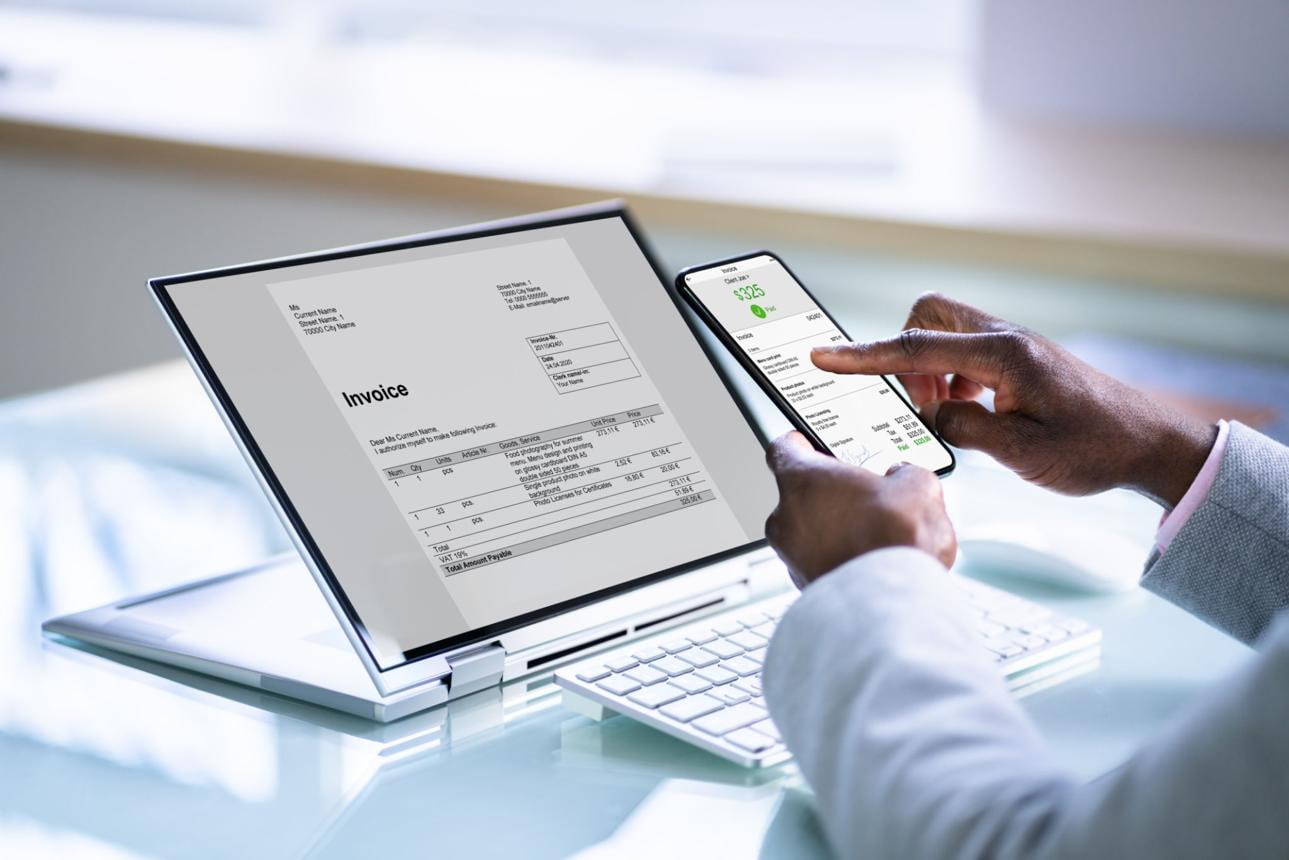
Rome: The humble invoice is about to become a weapon against fraud. Under the Union’s plan to drag value-added tax into the digital era, e-invoicing will move from an option to the default, and paper will finally lose its grip on cross-border trade.
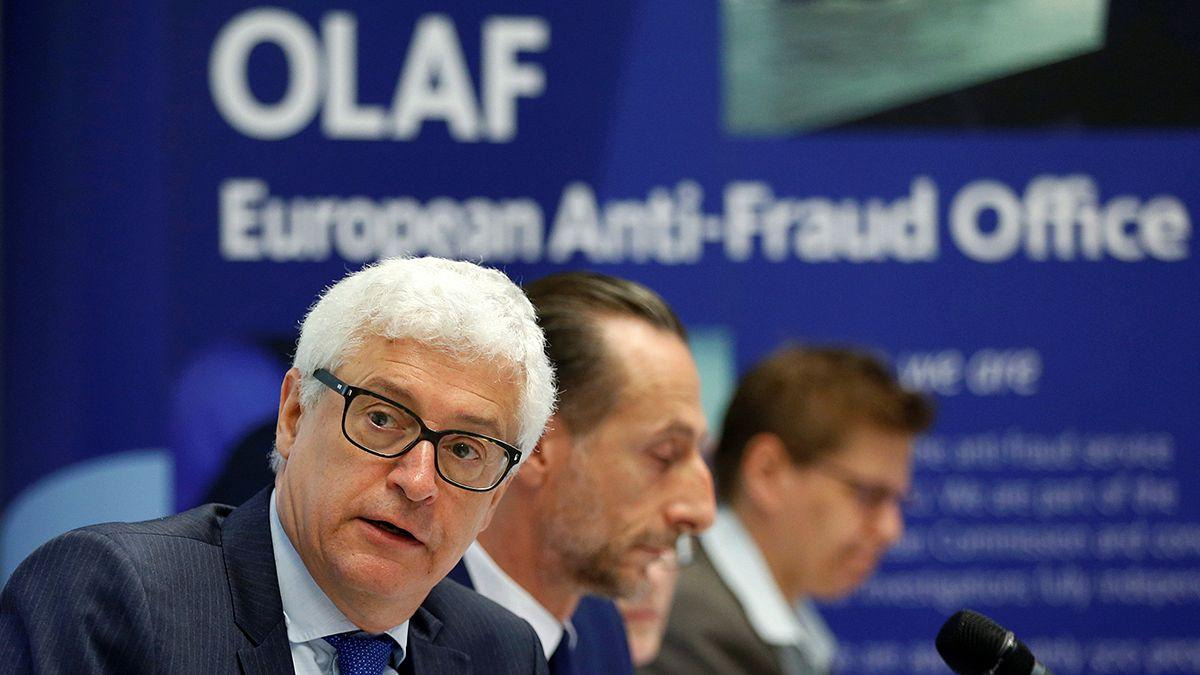
The initiative, known as VAT in the Digital Age, aims to modernise a tax system that loses tens of billions of euros to fraud each year. In May the Commission published a detailed work programme setting out how the digital reporting requirements and the e-invoicing pillar will roll out, with the mandatory regime scheduled to take effect in July 2030.
Italy offers a preview of where Europe is heading, which is why the debate feels familiar in Rome. The country made electronic invoicing compulsory years ago and watched its VAT gap shrink, as tax authorities gained a near real-time view of transactions. The Union now wants to lift that model to the cross-border level, where fraud is hardest to trace.
The heart of the reform is a real-time reporting system. Instead of businesses filing periodic summaries that tax offices reconcile months later, each cross-border transaction will be reported as it happens, built on a standardised electronic invoice. The Commission’s work programme treats that shift as the foundation for everything else.
Interoperability is the quiet obstacle. For a Portuguese supplier’s invoice to be read automatically by a Finnish buyer and a French tax office alike, everyone must speak the same digital language. The Commission has anchored the system on a common European standard, formally approved for these purposes in February, so that invoices generated in one country can be understood everywhere.
For businesses the change is both burden and relief. Smaller firms worry about the cost of upgrading billing software and training staff to feed a continuous reporting machine. Larger companies that already run digital finance systems stand to gain, because a single harmonised regime could replace the tangle of national e-invoicing mandates that has sprung up in recent years.
Yet agreement remains incomplete. Officials acknowledge that important disputes are unresolved, and in some areas national approaches are diverging rather than converging, which could undercut the promise of a seamless system. The 2030 deadline leaves time to close those gaps, but only if capitals resist the temptation to build their own versions first. For now, Europe has set a clear direction: the invoice is going digital, and the tax authorities intend to be watching in real time.