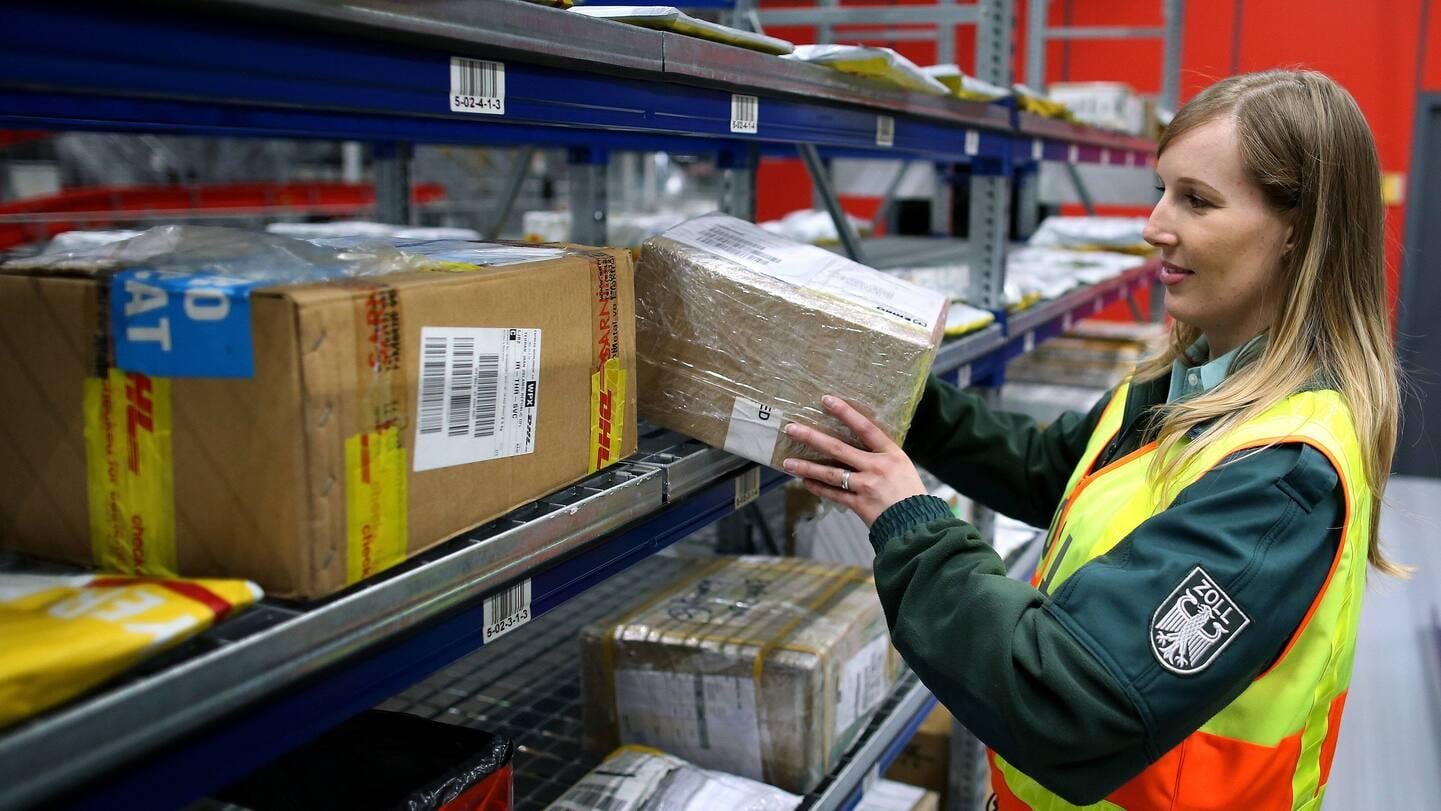
Lille: The French city chosen to host the European Union’s new customs authority is about to become the nerve centre of the most sweeping overhaul of the bloc’s customs union since it was founded in 1968. After the European Parliament and member states struck a political agreement earlier this year on the Commission’s long-gestating reform, the shape of the new system is now clear, and for the e-commerce platforms that have flooded Europe with cheap parcels, the implications are uncomfortable.
At the heart of the reform sits the EU Customs Data Hub, a single digital environment into which businesses bringing goods into the Union will feed information about their products and supply chains. Rather than navigating twenty-seven national customs systems, importers will lodge their data once, and authorities will draw on machine learning, artificial intelligence and human analysts to build what officials describe as a 360-degree view of what is actually crossing the bloc’s borders. Over time the hub is meant to replace the patchwork of national IT systems, a consolidation the Commission estimates could save member states up to two billion euros a year in running costs.
The most politically charged change is the shift of responsibility onto online marketplaces. Under the current regime, the customs burden for the torrent of low-value parcels arriving from outside the Union falls awkwardly between carriers, individual sellers and overwhelmed national authorities, with predictable gaps in enforcement and revenue. The reform makes the platforms themselves responsible for ensuring that duties and compliance obligations are met before goods reach European doorsteps, treating them as the importers they functionally are. It also moves to dismantle the customs exemption that long allowed the cheapest consignments to slip across borders with minimal scrutiny.
The timetable is deliberate and slow. The Data Hub is scheduled to open for e-commerce consignments in 2028, with other importers able to join voluntarily from 2031 before the system becomes mandatory in 2034. That extended runway reflects both the technical ambition of building a Union-wide data platform and the political reality that businesses and national administrations need time to adapt. Critics will note that 2034 is a long way off for a problem that is acute now; defenders counter that a botched rollout would be far costlier than a patient one.
Whether the reform delivers on its promises will depend on execution over the coming decade, and on whether the largest platforms treat their new obligations as a genuine compliance duty or a problem to be lawyered around. But the direction is unambiguous. After more than half a century, the customs union is being rebuilt for an age of online retail and global supply chains, and the firms that profited most from the old gaps will feel the change first.