August 12, 2026
LATEST
Temu Faces EU Penalty Threat Over Blocked Subsidy ChecksBanks Set for Simpler ESG Disclosure Under New EBA PlanMinimum Wages Climb Fastest in Eastern Europe, Data ShowsEurope’s Electrification Plan Aims to Slash Fossil Fuel BillsCouncil Clears Fertiliser Aid to Shield Struggling EU FarmersCan Europe Court Beijing and Contain It at the Same Time?Korean Tanks Fill the Gaps Europe Cannot Arm Fast EnoughAustralia Becomes Europe’s Answer to China’s Mineral GripEurope and Japan Bet on Shared Labs to Outpace ChinaWhy Europe and South Korea Rewrote the Rules of Digital TradeNew Zealand Helps Europe Anchor Its Ambitions Across the PacificCompetitiveness Fund Faces Its First Real Test of DeliveryHorizon Europe Rolls Out Its 14 Billion Research PushCERV Programme Grants Target Civic Space Under StrainEurope’s Firefighting Fleet Faces Its Worst Season on RecordAI Gigafactories Draw a 30 Billion Euro Bid to Rival the USRail Passengers Win Full Rights on Multi-Leg TripsEuropean Universities Face a Budget and Reform TestTobacco Rules Face a Sweeping Reset as Vaping SurgesRiyadh Summit Tests Europe’s New Bet on the GulfTemu Faces EU Penalty Threat Over Blocked Subsidy ChecksBanks Set for Simpler ESG Disclosure Under New EBA PlanMinimum Wages Climb Fastest in Eastern Europe, Data ShowsEurope’s Electrification Plan Aims to Slash Fossil Fuel BillsCouncil Clears Fertiliser Aid to Shield Struggling EU FarmersCan Europe Court Beijing and Contain It at the Same Time?Korean Tanks Fill the Gaps Europe Cannot Arm Fast EnoughAustralia Becomes Europe’s Answer to China’s Mineral GripEurope and Japan Bet on Shared Labs to Outpace ChinaWhy Europe and South Korea Rewrote the Rules of Digital TradeNew Zealand Helps Europe Anchor Its Ambitions Across the PacificCompetitiveness Fund Faces Its First Real Test of DeliveryHorizon Europe Rolls Out Its 14 Billion Research PushCERV Programme Grants Target Civic Space Under StrainEurope’s Firefighting Fleet Faces Its Worst Season on RecordAI Gigafactories Draw a 30 Billion Euro Bid to Rival the USRail Passengers Win Full Rights on Multi-Leg TripsEuropean Universities Face a Budget and Reform TestTobacco Rules Face a Sweeping Reset as Vaping SurgesRiyadh Summit Tests Europe’s New Bet on the Gulf
August 12, 2026
LATEST
Temu Faces EU Penalty Threat Over Blocked Subsidy ChecksBanks Set for Simpler ESG Disclosure Under New EBA PlanMinimum Wages Climb Fastest in Eastern Europe, Data ShowsEurope’s Electrification Plan Aims to Slash Fossil Fuel BillsCouncil Clears Fertiliser Aid to Shield Struggling EU FarmersCan Europe Court Beijing and Contain It at the Same Time?Korean Tanks Fill the Gaps Europe Cannot Arm Fast EnoughAustralia Becomes Europe’s Answer to China’s Mineral GripEurope and Japan Bet on Shared Labs to Outpace ChinaWhy Europe and South Korea Rewrote the Rules of Digital TradeNew Zealand Helps Europe Anchor Its Ambitions Across the PacificCompetitiveness Fund Faces Its First Real Test of DeliveryHorizon Europe Rolls Out Its 14 Billion Research PushCERV Programme Grants Target Civic Space Under StrainEurope’s Firefighting Fleet Faces Its Worst Season on RecordAI Gigafactories Draw a 30 Billion Euro Bid to Rival the USRail Passengers Win Full Rights on Multi-Leg TripsEuropean Universities Face a Budget and Reform TestTobacco Rules Face a Sweeping Reset as Vaping SurgesRiyadh Summit Tests Europe’s New Bet on the GulfTemu Faces EU Penalty Threat Over Blocked Subsidy ChecksBanks Set for Simpler ESG Disclosure Under New EBA PlanMinimum Wages Climb Fastest in Eastern Europe, Data ShowsEurope’s Electrification Plan Aims to Slash Fossil Fuel BillsCouncil Clears Fertiliser Aid to Shield Struggling EU FarmersCan Europe Court Beijing and Contain It at the Same Time?Korean Tanks Fill the Gaps Europe Cannot Arm Fast EnoughAustralia Becomes Europe’s Answer to China’s Mineral GripEurope and Japan Bet on Shared Labs to Outpace ChinaWhy Europe and South Korea Rewrote the Rules of Digital TradeNew Zealand Helps Europe Anchor Its Ambitions Across the PacificCompetitiveness Fund Faces Its First Real Test of DeliveryHorizon Europe Rolls Out Its 14 Billion Research PushCERV Programme Grants Target Civic Space Under StrainEurope’s Firefighting Fleet Faces Its Worst Season on RecordAI Gigafactories Draw a 30 Billion Euro Bid to Rival the USRail Passengers Win Full Rights on Multi-Leg TripsEuropean Universities Face a Budget and Reform TestTobacco Rules Face a Sweeping Reset as Vaping SurgesRiyadh Summit Tests Europe’s New Bet on the Gulf

Anti-Fraud Office Claws Back Record Sums From Misused EU Funds

Vilnius: Europe’s fight against EU fraud rarely makes headlines, yet the sums involved dwarf many national budgets. In late July the European Commission set out how it intends to close the gap between money lost and money recovered, and investigators laid down a marker on how far the problem still reaches.

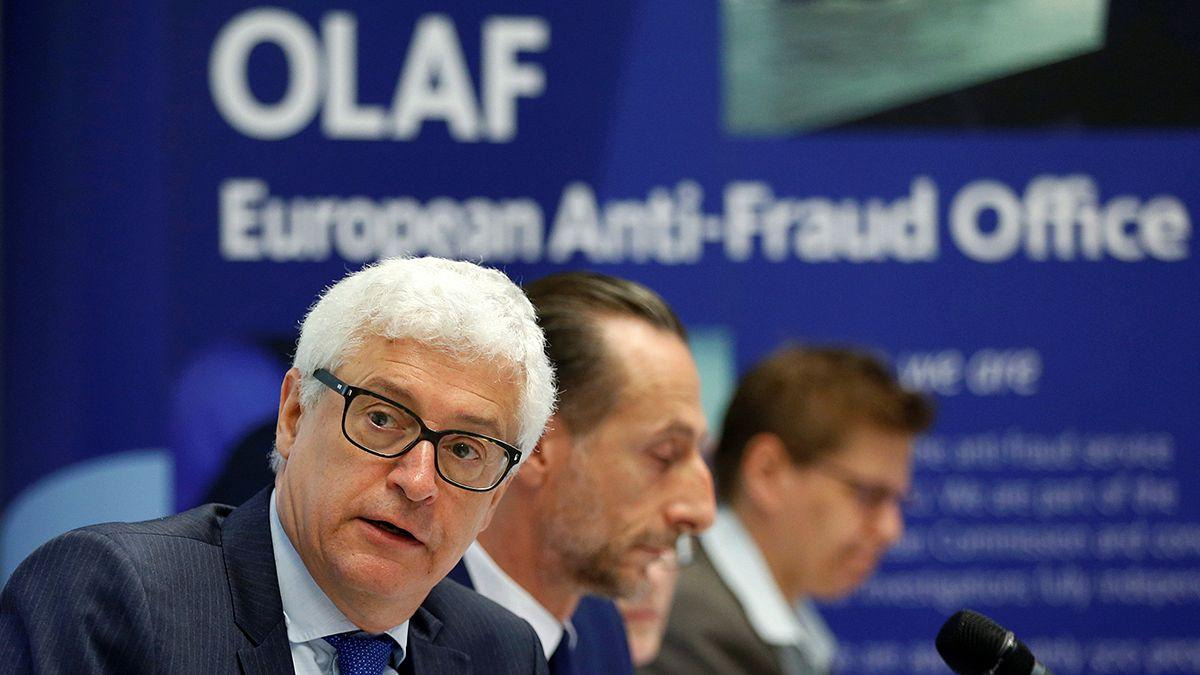
The European Anti-Fraud Office, known by its French acronym OLAF, spent much of the past year chasing misused grants, rigged tenders and smuggled goods. Its latest annual report recommended clawing back almost 600 million euros from fraud and irregularities, and it stopped a further 18 million euros from leaving public coffers in the first place.

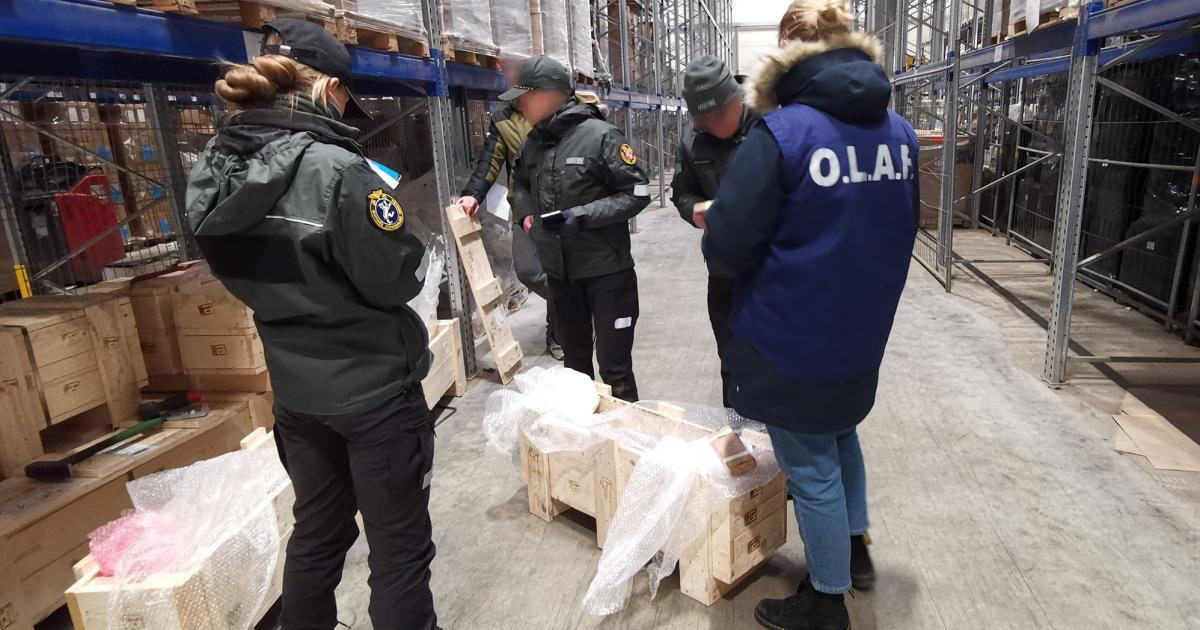
Officials in Lithuania and across the eastern frontier watch these cases closely. Border regions handle a large share of EU cohesion money, and they also sit on the front line of the illicit cigarette trade that drains billions in unpaid duties. In July OLAF helped dismantle a supply chain that funnelled untaxed tobacco across several member states, a reminder that fraud against the budget rarely stops at paperwork.

The Commission wants faster results. It argues that administrative investigators, prosecutors and customs authorities still work in silos, and that patchy information sharing lets suspects move funds before anyone acts. Its new plan pushes national agencies to pool intelligence sooner and to treat recovery, not just detection, as the measure of success.

Recovery remains the hard part. OLAF can recommend that money be returned, but it cannot force the issue; member states and spending departments must actually collect the debt. Auditors have repeatedly flagged how long that takes, and how often recommended sums never fully materialise.

The European Public Prosecutor’s Office adds a sharper edge. Since it began operating it has opened thousands of criminal cases and frozen hundreds of millions in assets, giving OLAF’s administrative findings a route into the courts. The two bodies increasingly hand each other leads, and the Commission wants that reflex to become routine.

For the 2021 to 2027 budget the stakes only grow. Recovery grants pump unprecedented sums into member states on tight deadlines, and speed can invite abuse. The Commission’s message is that stronger controls need not slow honest projects, provided data flows freely between the bodies that guard the money. The office sets out its own account of the year in its 2025 report.

Whether the latest push delivers will depend less on the institutions and more on capitals willing to prosecute, recover and share what they know.