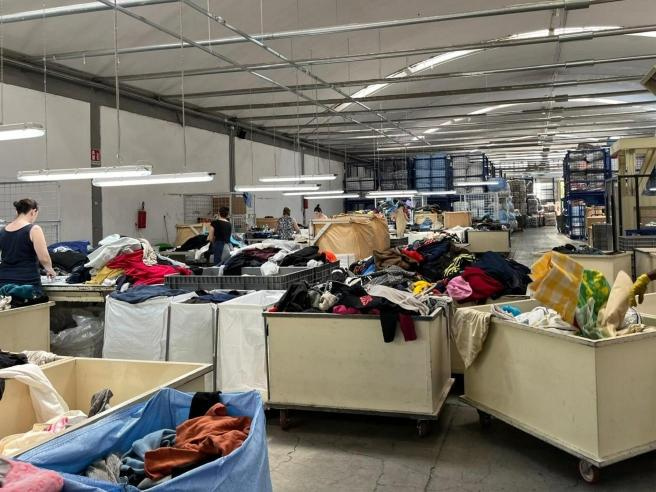
Prato: In this Tuscan textile hub, where mills have spun and shredded cloth for centuries, a new set of ecodesign rules is about to change what happens to garments that never find a buyer. From 19 July, European law bans large companies from destroying unsold apparel and footwear, closing a practice that quietly sent mountains of new clothing to incinerators.
The prohibition flows from the Ecodesign for Sustainable Products Regulation, the framework the Union is using to embed durability, reparability and recyclability into the way goods are designed rather than the way they are thrown away. The measure targets fast fashion first, but its logic extends across the economy.
The same regulation introduces Digital Product Passports, machine-readable records that travel with an item and tell buyers, repairers and recyclers what a product contains and how to handle it at the end of its life. A central EU registry to hold that data is expected to come online this year, and the Commission describes the wider ambition on its circular economy pages.
A second deadline lands days later. From 31 July the Repair Directive requires manufacturers to fix eligible goods within a reasonable time and at a reasonable price, nudging households toward mending rather than replacing. Together the two dates mark one of the busiest stretches in the Union’s product policy calendar.
Brussels frames all of this as competitiveness rather than green symbolism. The Commission wants to double the rate at which Europe reuses recycled material by 2030 and to build a genuine single market for secondary raw materials, so that a recycler in one country can sell reclaimed fibre or plastic to a manufacturer in another without friction.
The stakes for textiles are stark. Europeans buy more clothes than ever and keep them for less time, and the sector ranks among the heaviest users of water and land in the supply chains that feed it. Banning the destruction of unsold stock removes the cheapest exit for overproduction and forces brands to plan volumes more carefully.
Industry groups have warned that compliance costs will fall hardest on smaller firms, which lack the systems to generate product passports or to track repair obligations across dozens of models. The Commission has promised phased timelines and guidance, yet the transition will still test companies that treated disposal as a routine line in the budget.
A forthcoming Circular Economy Act, slated for later in the year, is expected to knit these strands together with rules on packaging and recycling. For a town like Prato, which has long turned rags back into yarn, the direction of travel is familiar. The novelty is that the whole Union is now being asked to follow.