August 9, 2026
LATEST
New EU Gas Market Rules Take Effect With Consumer SafeguardsDeforestation Regulation Holds Its December Deadline Despite CutsDigital Omnibus Delays Europe’s High-Risk AI Deadline to 2027Europe’s Schools Confront a Widening Basic Skills GapRule of Law Report Finds Progress but Trust Still LagsIRIS2 Gains 66 Satellites as Brussels Signs the Rollout DealNature Restoration Plans Come Due as Member States Race a DeadlineECB Rates Hold at 2.25 Percent as Frankfurt Waits on the DataEU Budget Talks Turn to Cohesion as Ireland Takes OverWildfire Response Stretches Europe’s Emergency Fleet ThinCan Europe’s Quantum Plan Match Its Big Ambitions?Armenia Edges West as Moscow’s Grip Slips AwayEurope Inherits the World’s Aid Bill It Cannot Fully PayAir Passenger Rights Get Their First Overhaul in Two DecadesErasmus Opens a 5 Billion Euro Round for Skills and MobilityCeuta Crisis Pushes the EU Toward Faster Migrant ReturnsBulky Parcels Face a Packaging Crackdown From August 12Can Europe Build Its Drone Wall Before 2030 Arrives?Indonesia’s Trade Deal With Europe Nears Its Final SignatureEurope Leans on Beijing to Keep Climate Talks Alive Before AntalyaNew EU Gas Market Rules Take Effect With Consumer SafeguardsDeforestation Regulation Holds Its December Deadline Despite CutsDigital Omnibus Delays Europe’s High-Risk AI Deadline to 2027Europe’s Schools Confront a Widening Basic Skills GapRule of Law Report Finds Progress but Trust Still LagsIRIS2 Gains 66 Satellites as Brussels Signs the Rollout DealNature Restoration Plans Come Due as Member States Race a DeadlineECB Rates Hold at 2.25 Percent as Frankfurt Waits on the DataEU Budget Talks Turn to Cohesion as Ireland Takes OverWildfire Response Stretches Europe’s Emergency Fleet ThinCan Europe’s Quantum Plan Match Its Big Ambitions?Armenia Edges West as Moscow’s Grip Slips AwayEurope Inherits the World’s Aid Bill It Cannot Fully PayAir Passenger Rights Get Their First Overhaul in Two DecadesErasmus Opens a 5 Billion Euro Round for Skills and MobilityCeuta Crisis Pushes the EU Toward Faster Migrant ReturnsBulky Parcels Face a Packaging Crackdown From August 12Can Europe Build Its Drone Wall Before 2030 Arrives?Indonesia’s Trade Deal With Europe Nears Its Final SignatureEurope Leans on Beijing to Keep Climate Talks Alive Before Antalya
August 9, 2026
LATEST
New EU Gas Market Rules Take Effect With Consumer SafeguardsDeforestation Regulation Holds Its December Deadline Despite CutsDigital Omnibus Delays Europe’s High-Risk AI Deadline to 2027Europe’s Schools Confront a Widening Basic Skills GapRule of Law Report Finds Progress but Trust Still LagsIRIS2 Gains 66 Satellites as Brussels Signs the Rollout DealNature Restoration Plans Come Due as Member States Race a DeadlineECB Rates Hold at 2.25 Percent as Frankfurt Waits on the DataEU Budget Talks Turn to Cohesion as Ireland Takes OverWildfire Response Stretches Europe’s Emergency Fleet ThinCan Europe’s Quantum Plan Match Its Big Ambitions?Armenia Edges West as Moscow’s Grip Slips AwayEurope Inherits the World’s Aid Bill It Cannot Fully PayAir Passenger Rights Get Their First Overhaul in Two DecadesErasmus Opens a 5 Billion Euro Round for Skills and MobilityCeuta Crisis Pushes the EU Toward Faster Migrant ReturnsBulky Parcels Face a Packaging Crackdown From August 12Can Europe Build Its Drone Wall Before 2030 Arrives?Indonesia’s Trade Deal With Europe Nears Its Final SignatureEurope Leans on Beijing to Keep Climate Talks Alive Before AntalyaNew EU Gas Market Rules Take Effect With Consumer SafeguardsDeforestation Regulation Holds Its December Deadline Despite CutsDigital Omnibus Delays Europe’s High-Risk AI Deadline to 2027Europe’s Schools Confront a Widening Basic Skills GapRule of Law Report Finds Progress but Trust Still LagsIRIS2 Gains 66 Satellites as Brussels Signs the Rollout DealNature Restoration Plans Come Due as Member States Race a DeadlineECB Rates Hold at 2.25 Percent as Frankfurt Waits on the DataEU Budget Talks Turn to Cohesion as Ireland Takes OverWildfire Response Stretches Europe’s Emergency Fleet ThinCan Europe’s Quantum Plan Match Its Big Ambitions?Armenia Edges West as Moscow’s Grip Slips AwayEurope Inherits the World’s Aid Bill It Cannot Fully PayAir Passenger Rights Get Their First Overhaul in Two DecadesErasmus Opens a 5 Billion Euro Round for Skills and MobilityCeuta Crisis Pushes the EU Toward Faster Migrant ReturnsBulky Parcels Face a Packaging Crackdown From August 12Can Europe Build Its Drone Wall Before 2030 Arrives?Indonesia’s Trade Deal With Europe Nears Its Final SignatureEurope Leans on Beijing to Keep Climate Talks Alive Before Antalya

Energy Costs Push Euro-Area Inflation Up To 3.2 Percent In May

Tallinn: Inflation in the euro area edged higher again last month, according to the flash estimate released by the European Union’s statistical office, with the headline rate reaching 3.2 percent in May, up from 3.0 percent in April. The figure keeps consumer-price growth comfortably above the European Central Bank’s two percent target and complicates the careful messaging the bank has offered about the direction of borrowing costs.

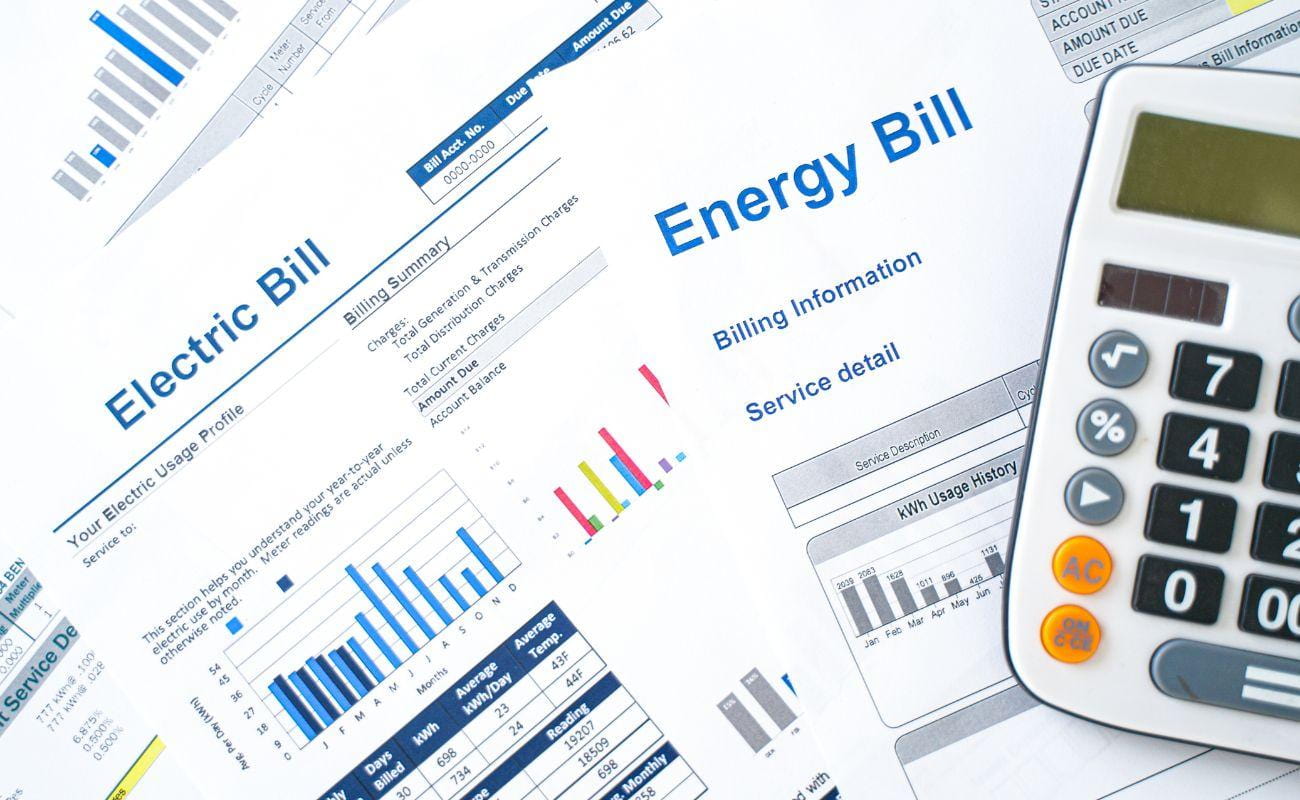
The detail underneath the headline tells the more interesting story. Energy was the dominant force, with prices rising 10.9 percent over the year, a dramatic jump from the 5.1 percent recorded in April. After two years in which falling energy costs flattered the headline figure, that base effect has reversed, and the same component is now pushing the index in the opposite direction. Services inflation, the measure many economists treat as the truest gauge of domestic price pressure, eased slightly to 3.0 percent from 3.2 percent. Food, alcohol and tobacco climbed to 2.5 percent, while non-energy industrial goods rose modestly to 0.8 percent.

The composition matters because policymakers respond to the parts, not just the whole. Energy-driven inflation tends to be treated as temporary, the product of swinging wholesale markets and geopolitical jolts rather than entrenched wage-price dynamics. Services inflation is the opposite, sticky and closely tied to labour costs, which is why its slight cooling will reassure officials more than the energy spike alarms them. A central bank can largely look through a fuel-price shock; it cannot ignore a services number that refuses to fall.

The averages also conceal a wide national spread. Smaller economies in the bloc’s east have repeatedly posted some of the steepest rates, while parts of the west have hovered nearer the target. That divergence is a structural headache for a single monetary policy. One interest rate has to serve countries living through very different price experiences, and households in higher-inflation member states feel the squeeze on real incomes long before any aggregate figure tips back toward target.

A flash estimate is, by design, provisional. It is built largely on early national data and a model for the components that arrive late, and the final reading published later in the month can move by a tenth of a point in either direction. The energy surge in particular will be scrutinised when the full breakdown lands, because a single volatile month says little about the underlying trend.

Still, the direction is awkward. After a long and largely successful disinflation, the move from 3.0 to 3.2 percent is a reminder that the last stretch back to target is rarely smooth. Energy markets remain hostage to events well beyond the bloc’s borders, and as long as that holds, the headline rate will keep wobbling around a downward path rather than gliding cleanly onto it. For households reading the number on a receipt rather than a spreadsheet, the distinction between transitory and persistent inflation is academic. The bill is higher either way.