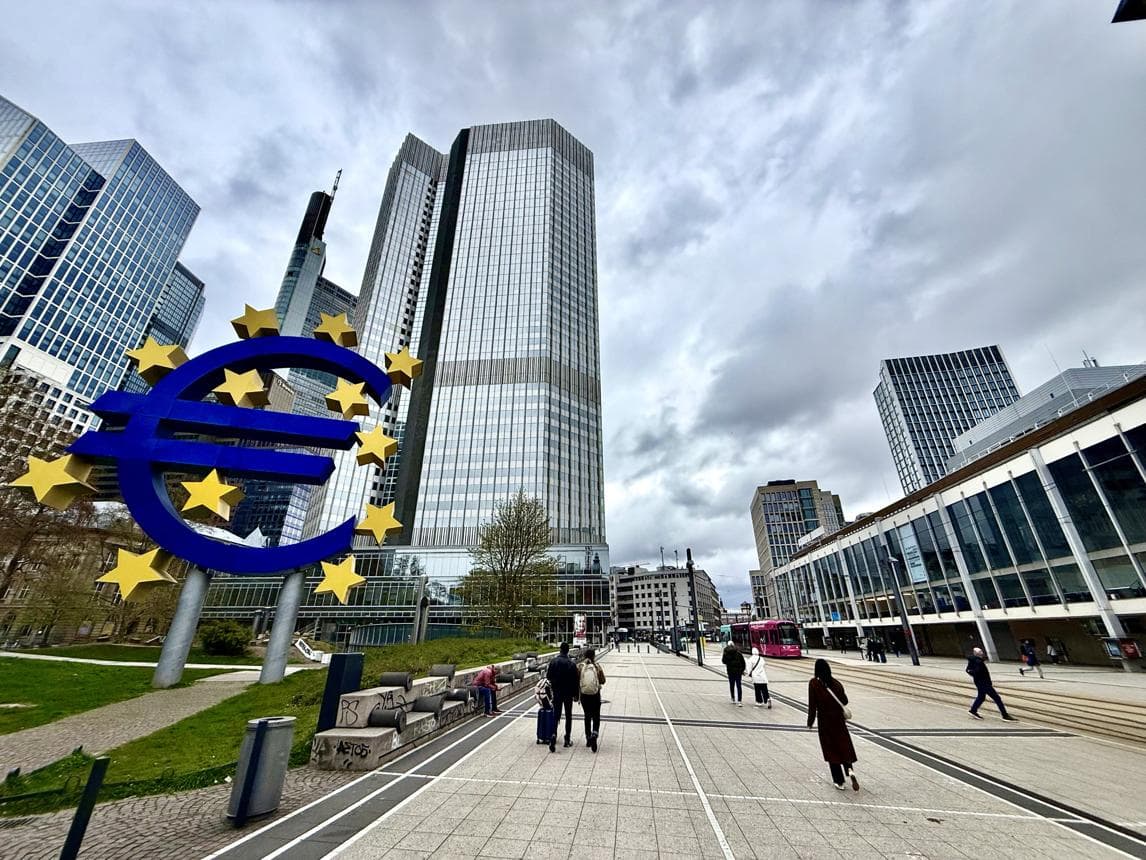
Madrid: The number that lands on the European Central Bank’s desk each month is once again moving the wrong way. Euro-area annual inflation reached 3.2% in May, Eurostat confirmed, up from 3.0% in April and the highest reading since September 2023. Across the wider European Union the rate was 3.3%. Both sit well above the 2% the central bank is mandated to deliver.
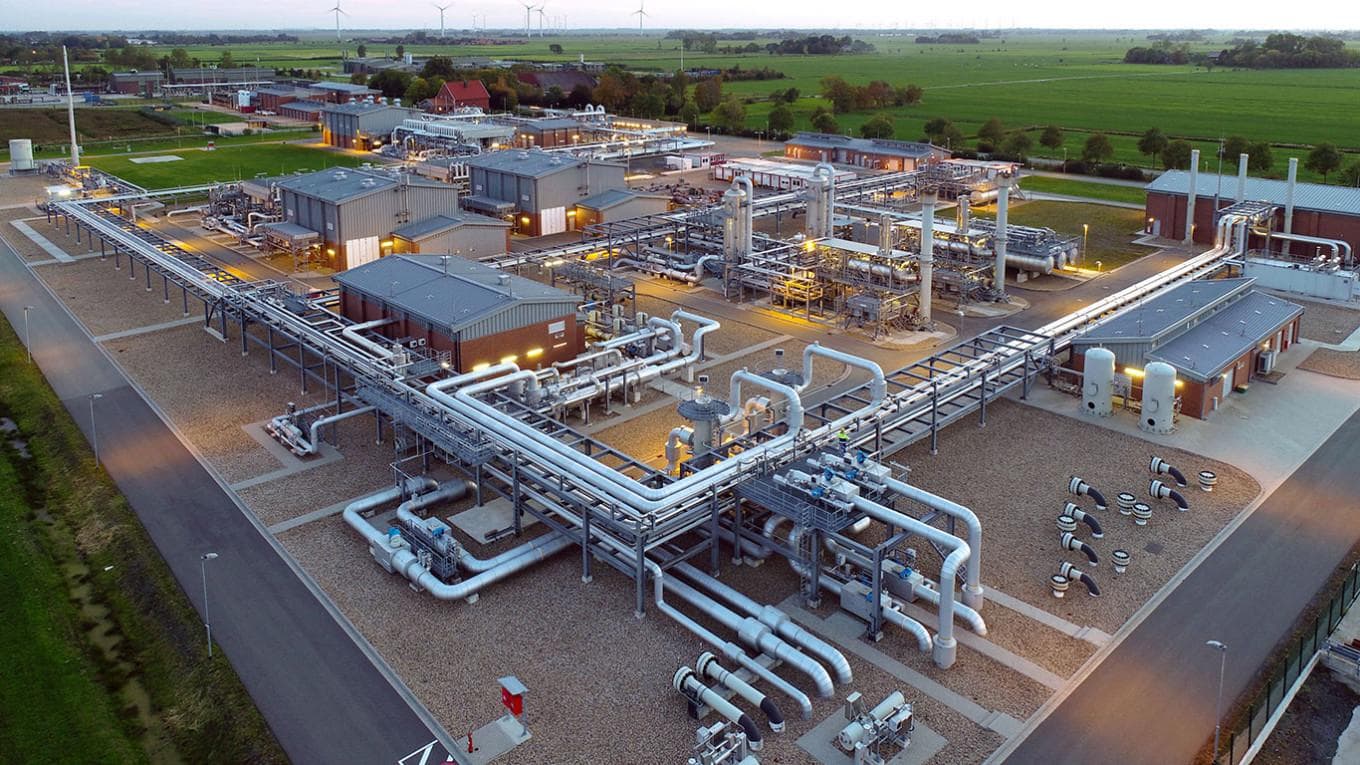
One force is doing most of the lifting. Energy prices rose 10.8% over the year, their sharpest jump since February 2023, as conflict in the Middle East tightened oil and gas supply and fed through to pumps and power bills. For households from Madrid to Helsinki, the bill arrives as dearer fuel, heating and electricity, the most visible and least avoidable form of inflation.
The detail beneath the headline is more stubborn than a single energy shock. Services inflation accelerated to 3.5% from 3.0%, and prices for non-energy industrial goods edged up to 0.9%. Services costs, from restaurants to insurance to rent-linked items, track domestic wages rather than world commodity prices, and their persistence is what worries policymakers most, because it suggests inflation has settled into the economy rather than merely passing through. The one comfort was food, alcohol and tobacco, where inflation eased to 2.0% from 2.4%.
The labour-market backdrop complicates the picture. Eurostat’s first-quarter figures show employment at a record high and hourly labour costs up 3.2% in the euro area and 3.6% across the EU, with the job vacancy rate ticking up to 2.3%. A tight labour market is good news for workers, but rising wages can keep services inflation elevated, exactly the loop central bankers fear.
This is the bind behind the ECB’s recent, counter-intuitive decision to lean against price growth even as the economy slows. Textbook policy says cut rates when growth fades; an energy-driven supply shock that threatens to embed itself in wages and services says the opposite. The bank is being forced to choose which risk to insure against, and for now it is treating sticky inflation as the greater danger.
Numbers this fresh come with caveats. May’s figure is a flash estimate subject to revision, and a single month rarely settles the argument; energy comparisons are also flattered or punished by what prices did a year earlier. Optimists note that if Middle East tensions ease, the energy contribution could fade quickly, dragging the headline back toward target. Pessimists point to services and wages as the slower, deeper problem that no ceasefire will fix.
For ordinary Europeans the abstraction resolves into a simple fact: the cost of living is climbing faster than it did a month ago, and faster than the central bank wants. The next estimate, due in weeks, will show whether May was a spike or a trend, and how much room the ECB really has.