Rotterdam: The days of duty-free bargains slipping into Europe unnoticed are over. Since 1 July the Union has levied a flat three-euro customs duty on the low-value small parcels that pour in from online sellers abroad, ending an exemption that let goods under 150 euros arrive without any import charge.
The change targets a flood of packages that has swelled with the rise of ultra-cheap shopping apps. Billions of small parcels now cross the Union’s borders each year, and customs authorities argue the old threshold handed non-European sellers an unfair edge over shops that pay full duties.
The new flat duty applies to each category of item inside a parcel, sorted by tariff code rather than by the package as a whole. A box holding several different products can therefore attract the three-euro charge more than once, a detail sellers must now build into their prices.
The measure works through the import scheme that non-European traders already use to handle value-added tax, so much of the machinery to collect the money exists. Member states agreed the interim rate as a stopgap while the Union builds a far larger overhaul of how it screens and taxes imports.
That interim charge runs until 2028 and may stretch longer, at which point a new customs data hub should replace the flat fee with normal tariffs calculated parcel by parcel. A separate handling fee of about two euros per item category is due to arrive no later than November.
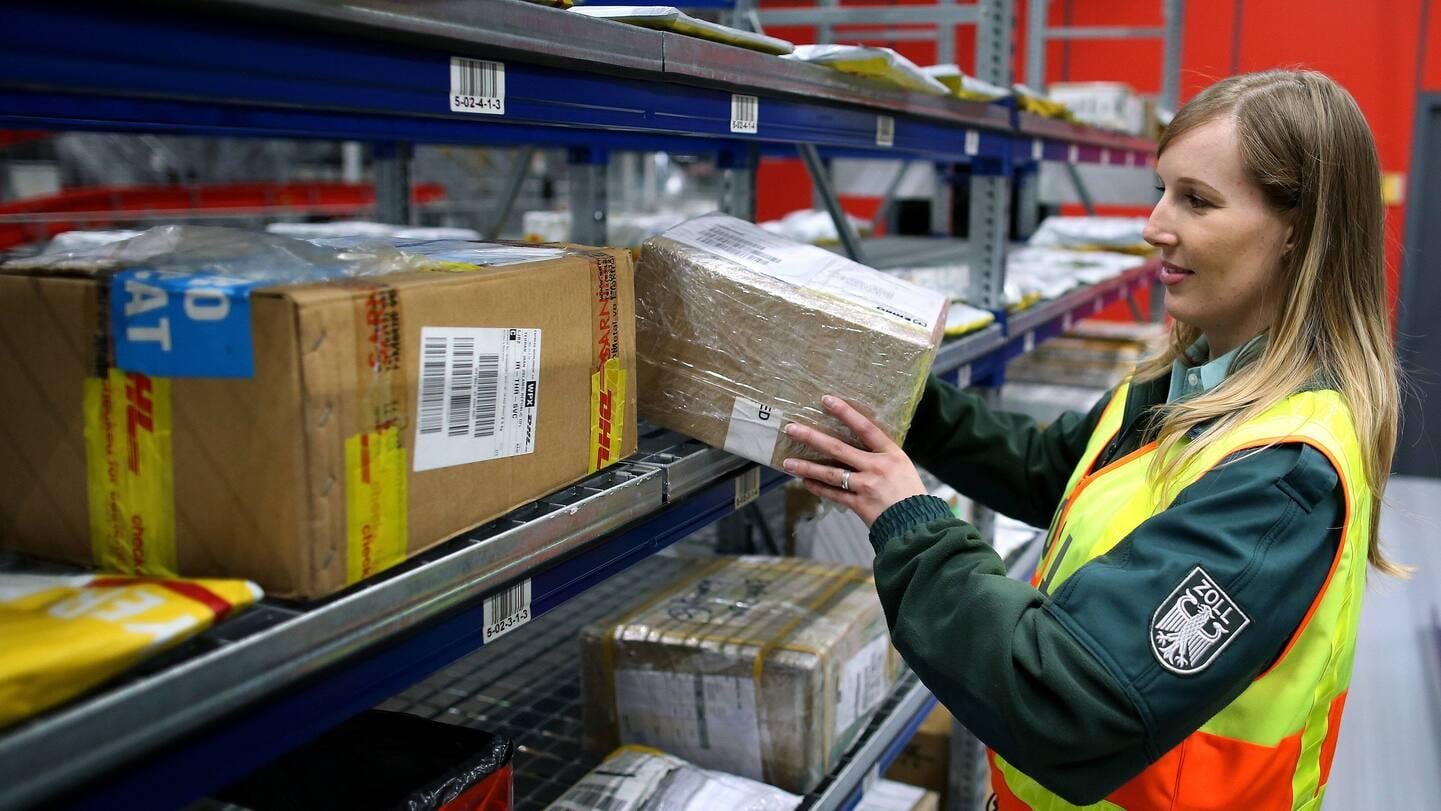
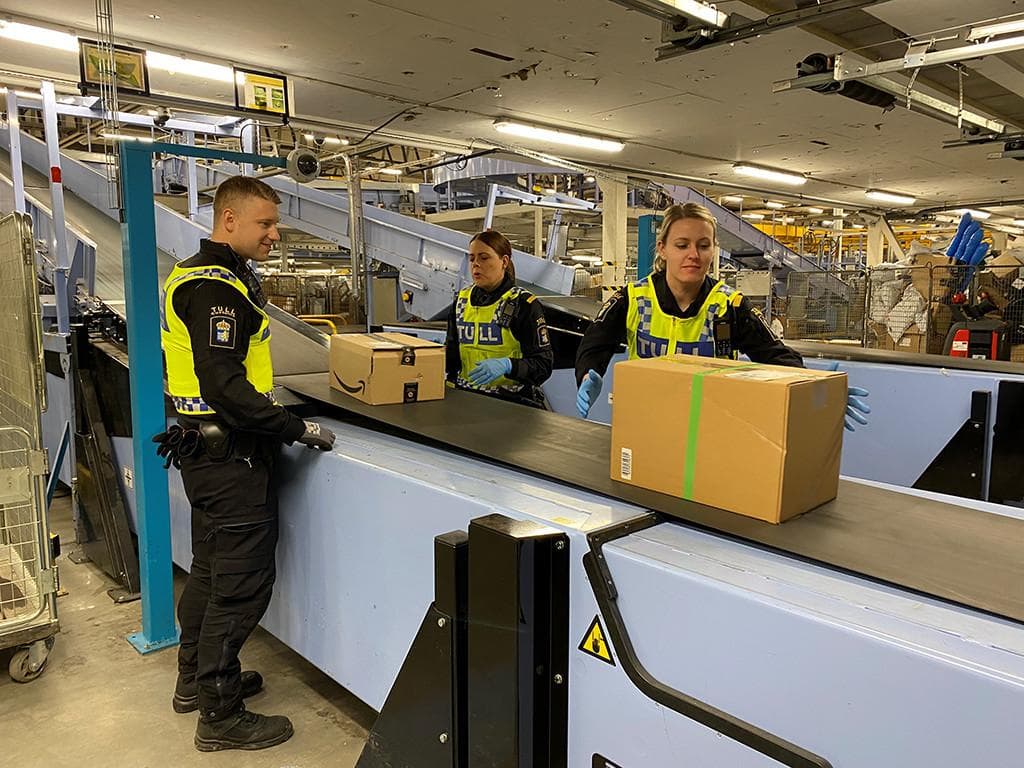
Much of the parcel flood arrives from a handful of vast online marketplaces that ship goods straight from factories to European doorsteps. Customs officers say the sheer volume overwhelms checks at ports like Rotterdam, where containers of small packages can hold millions of individual orders bound for shoppers across the continent.
Retailers based in Europe have pressed for the change for years, complaining that the exemption amounted to a subsidy for distant competitors who could undercut them on price and dodge the paperwork European shops must file.
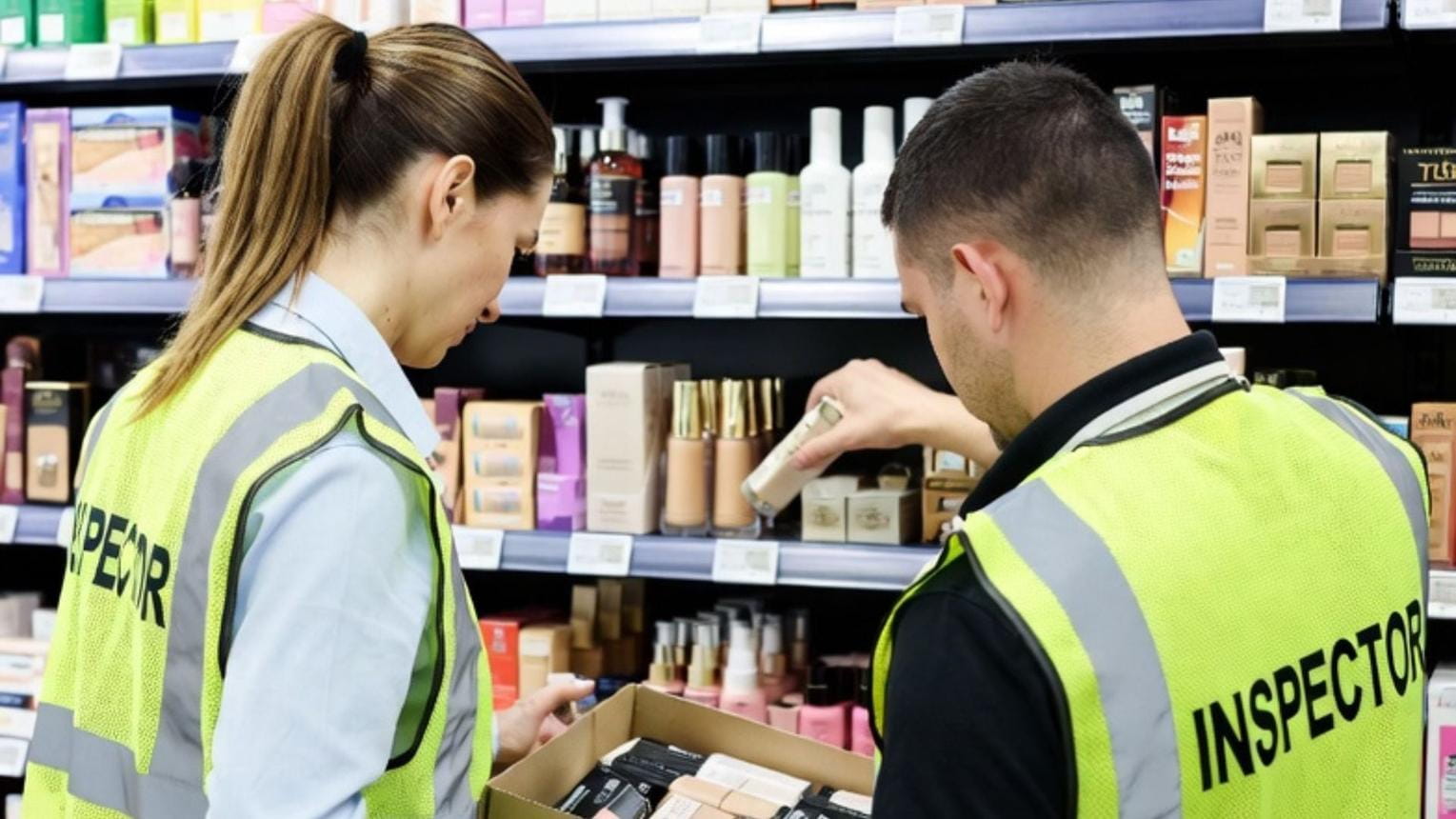
Consumer groups warn that shoppers will feel the pinch, since the duty and the coming handling fee together add several euros to a once-cheap order. Yet supporters counter that the old system also let unsafe and counterfeit goods slip through with little scrutiny.
The overhaul forms part of a sweeping customs reform meant to modernise a union that still processes imports through fragmented national systems. The Commission has set out the full timetable on its customs reform pages as traders adjust to the new charge.