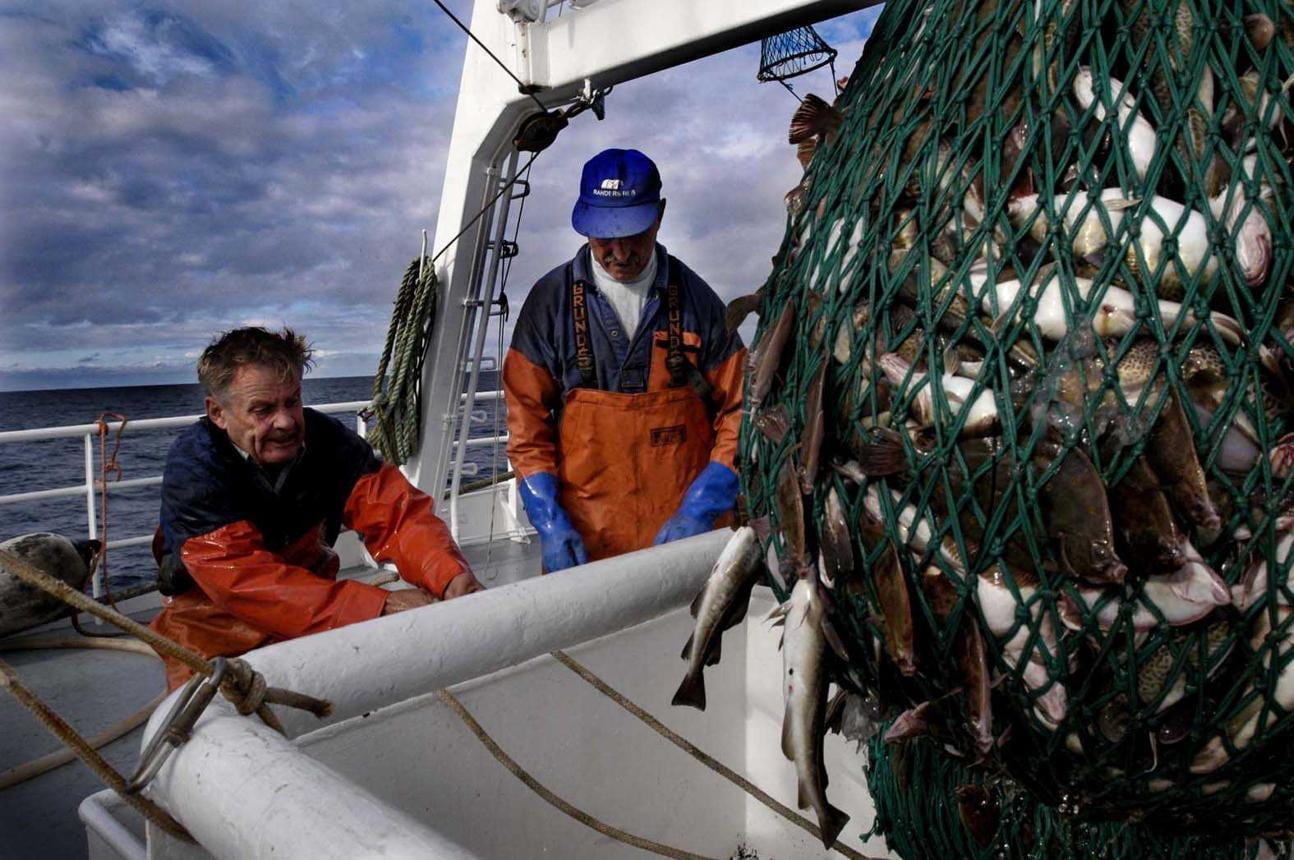
Vigo: In Europe’s busiest fishing port the mood is watchful, as boat owners and processors send their final comments to the Commission before a public consultation on the Ocean Act closes in mid-July. Those responses will help shape a law the Commission wants to adopt by the end of the year.
The Ocean Act sits at the centre of the wider European Ocean Pact, an attempt to pull the Union’s scattered sea policies into a single framework. Fisheries, maritime security, coastal jobs and marine nature would all answer to one reference point rather than a patchwork of separate rules.
Fishing communities approach the plan with hope and suspicion in equal measure. Many welcome a promise of clearer, steadier rules, yet they fear that a law built around conservation could tighten quotas further and add paperwork to an industry already stretched by thin catches and rising fuel costs.
The Commission insists the Ocean Act aims to balance a healthy sea with a working one. It ties together economic, climate, environmental and social goals, and it treats a thriving coastal economy as a condition for protection rather than a rival to it.
Part of the package reaches beyond European waters. The Commission wants a fresh generation of sustainable fisheries agreements with countries outside the Union, deals that let European boats fish distant grounds while channelling money and expertise back to the host nation.
Enforcement runs through the plan as well. From January the Union began digitalising its scheme for certifying that imported seafood was caught legally, a system meant to shut illegal, unreported and unregulated catches out of the European market.
Environmental groups have pushed hard through the consultation as well, arguing that the Union will miss its own targets on marine protection unless the law puts firm limits on the most damaging fishing methods. They want the Ocean Act to set clear duties rather than soft ambitions that fleets can sidestep.
Illegal fishing drains stocks and undercuts crews who play by the rules, so a tighter certification net carries real weight for ports like Vigo that land fish from across the world. Processors there say a level playing field matters as much as the size of any single quota.
Once the consultation closes the Commission will fold the responses into a legislative draft expected before the year ends. Fishing groups intend to keep pressing their case, and the Commission has gathered the detail on its Ocean Pact pages.